


What you eat shapes how you feel, think, and move. But the world of nutrition is full of noise. One day, carbs are the enemy. The next, fat is. You’re told to eat clean, but you’re not even sure what that really means anymore.The truth is simpler than it looks. Nutrition isn’t about extreme rules or trendy diets. It’s about knowing what works for your body and sticking to that with awareness.
Here are ten facts that can flip your food choices for the better without the guilt or confusion.
1. Not All Calories Are Created Equal
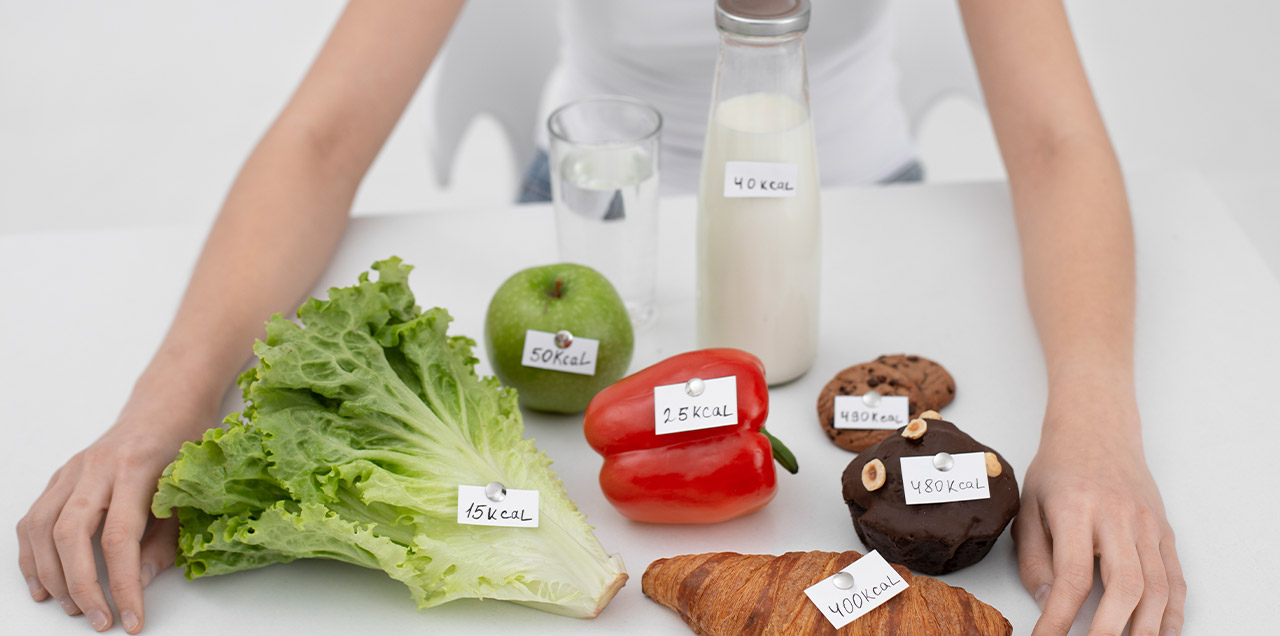
Yes, calories matter. But where they come from matters more.100 calories from a sugary drink will not impact your body the same way as 100 calories from nuts or vegetables. Processed foods spike your blood sugar, leave you hungrier, and slow your metabolism over time.Focus on foods that give you energy and nutrients. You’ll feel full longer, and your body will run better.
2. Skipping Meals Can Backfire
Skipping meals may seem like a quick way to reduce intake, but it often leads to bingeing later. Your body fights back when it feels starved.You might think you’re being disciplined, but that skipped breakfast can trigger sugar cravings in the afternoon. And when your blood sugar crashes, it’s harder to think clearly or stay focused.Eat regularly. Keep portions in check. But don’t let your body run on empty.
3. Protein Isn’t Just for Gym-Goers
You don’t need to lift weights to benefit from protein. Your body uses protein to repair tissue, support hormones, build immunity, and even carry oxygen in your blood.Adding a source of protein to every meal helps keep you full and stable throughout the day. Eggs, lentils, paneer, tofu, nuts each of these supports better energy and less snacking.Kids, seniors, office-goers everyone needs protein.
4. Sugar Hides in “Healthy” Foods
Fruit juice. Granola bars. Flavored yogurt. These might seem like smart choices, but many pack more sugar than you think.Always read labels, even on foods marked “natural” or “low-fat.” Sugar often hides behind names like fructose, corn syrup, or dextrose.Too much sugar, even from trusted foods, can slow down your digestion, spike your energy (then crash it), and affect your skin, mood, and sleep.Check your food, not just your sweet tooth.
5. Fat Doesn’t Make You Fat
This myth has lived too long. Healthy fats help you absorb vitamins, balance hormones, and support your brain and heart.Olive oil, ghee, nuts, seeds, avocados these are good for you in moderation.What makes you gain weight is eating too much of everything, not fat alone. Replace fried snacks and processed oils with better choices. You’ll feel full faster and stay full longer.Fat isn’t the villain. It’s the quality and quantity that matter.
6. Hydration Affects Hunger and Digestion
Sometimes you’re not hungry, you're just dehydrated.Your body needs water for nearly every function, including breaking down food and carrying nutrients. When you’re low on fluids, digestion slows and hunger signals can get mixed.Start your day with water. Keep a bottle nearby. Drink before meals to avoid overeating.And if you’re often tired or bloated, check your water intake before blaming your diet.
7. Gut Health Is the Foundation of Overall Health
Your gut is more than just a digestion center. It controls immunity, energy, even mental clarity.A poor diet heavy in processed foods, sugar, and low in fiber can weaken your gut. This can lead to frequent colds, bloating, low moods, and food intolerances.Feed your gut with high-fiber foods, fermented options like curd and pickles, and a variety of fruits and vegetables. A healthy gut helps everything else fall into place.
8. Whole Foods Beat Supplements Every Time
Supplements are helpful when there’s a real deficiency. But they can’t replace the complex nutrients and fiber in whole foods.A fruit isn’t just Vitamin C. It’s also water, fiber, antioxidants, and natural sugars in perfect balance.If you rely only on tablets and powders, you miss the synergy that real food provides.Before you reach for a capsule, reach for real food first. You’ll likely get more than you expect.
Even when looking up fruit nutrition facts, remember they offer more than numbers. They offer balance, color, and variety your body understands.
9. Portion Size > Just “Healthy” Foods
You can eat healthy and still overeat.A bowl of almonds is good. But three bowls? Not so much.Portion size controls calories and digestion. Many people gain weight not because they eat junk but because they eat too many good things.Serve smaller plates. Eat slowly. Stop at 80% full. This simple shift can change your body without any other rule.
10. Consistency > Perfection
One bad meal won’t ruin your health. One salad won’t fix it.What you do daily matters more than what you do once in a while. If you aim for 80% good choices and allow 20% flexibility, you’ll find a rhythm that lasts.Don’t fear an occasional treat. A pack of chips once in a week doesn’t break your progress. Just check the nutrition facts, enjoy a few, and balance the rest of your day.Your diet isn’t a test you need to ace. It’s a lifestyle you need to manage.
Conclusion
Nutrition is not about strict rules or one-size-fits-all plans. It’s about listening to your body, staying consistent, and making small upgrades over time.Forget extreme trends. Learn what nourishes you, and stick with that.Whether you're checking garlic nutrition facts, learning how hydration impacts cravings, or trying to get your protein right each small step adds up.
Check out Hello Fitness Magazine. There is never a wrong time to go on a fitness quest. Contact us and allow us to assist you in leading a better lifestyle. Follow us on Instagram. We share the best Health & Fitness related Articles for information based on healthy eating, health and fitness recommendations, health problems and their solutions, human body fitness, and much more.