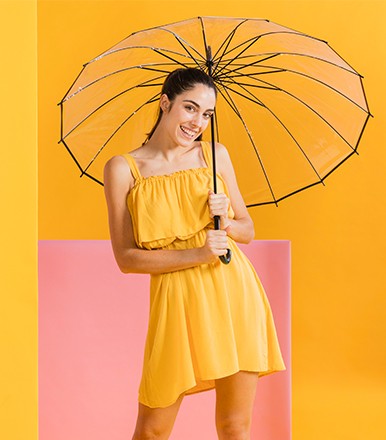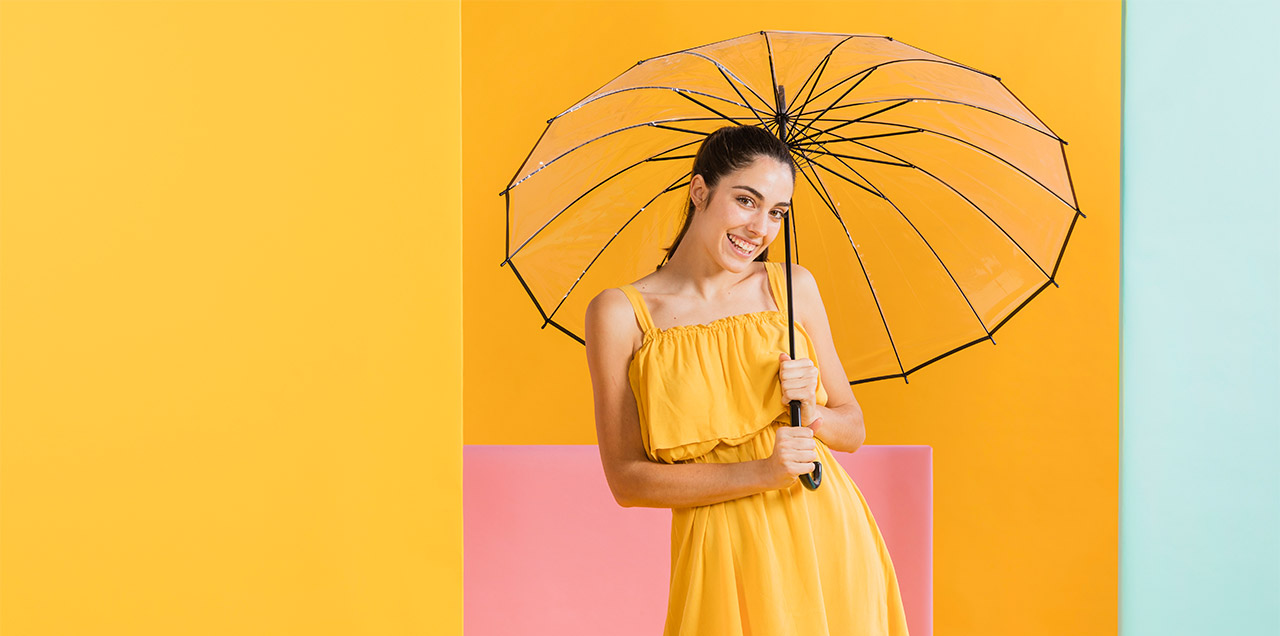
As the weather grows unpredictable day by day and clouds start to gather, we find ourselves caught between two distinct yet equally demanding seasons---summer and monsoon. While summer scorches us with dry heat and harsh UV rays, monsoon brings its own set of challenges---humidity, sudden rain showers, and sticky discomfort.
Navigating this seasonal overlap can be tricky, especially for your wardrobe. What works for dry heat may not hold up in damp weather, and what protects you from rain may suffocate your skin. That's why dressing smartly for this transitional phase is more than a fashion choice---it's a lifestyle adaptation, rooted in comfort, skin care, and sanity.
And trust me when I say!! Our "bade-buzurg" decoded it way before. we'll get back to it sooner.
Why Seasonal Fabrics Matter for Health & Well-being
Your body and skin are highly responsive to the weather. In summer, your sweat glands are overactive to regulate internal temperature. But once the monsoon sets in, that sweat combines with high humidity, clogging pores, leading to fungal infections, and making you feel constantly damp.
Wearing the wrong clothes---tight, synthetic, or heavy---only makes this worse. It traps sweat, encourages bacterial growth, causes rashes, and leaves you uncomfortable all day.
The solution? Adaptive, breathable, and quick-drying fabrics that support your body's natural rhythms during these changing months.
Psychology of Seasonal Dressing
What you wear not only affects your physical health---it has a direct impact on your mental well-being. Sticky, soaked clothes can make you cranky, self-conscious, and distracted. Conversely, well-fitted, breathable clothes make you feel presentable, at ease, and confident---whether you're in the office or out for chai in the rain.
Even the colors you wear affect your mood. Summers call for light shades---whites, pastels, soft blues. Monsoon brings an excuse for deeper tones---earthy browns, leafy greens, rainy greys---that hide stains and reflect the mood of the skies.
What works for Summer-Monsoon Weather
1. Cotton Blends (But Not Pure Cotton Always!)
Pure cotton is ideal for dry heat, but it absorbs water and stays damp during the monsoon. So instead, opt for cotton blends (like cotton-viscose or cotton-linen), which retain breathability while drying faster. They also wrinkle less---a bonus.
2. Rayon
This semi-natural fabric is light, breathable, and absorbs moisture well. It has a smooth finish that makes it great for both casual and workwear. Unlike pure cotton, rayon dries faster and feels less heavy when damp.
3. Linen-Cotton Mix
While linen is excellent for summer, a mix with cotton helps avoid the over-creased look. It allows air to flow, keeps you cool, and handles humidity better than pure linen.
4. Mulmul (Muslin)
Soft, airy, and skin-friendly, muslin is a great pick for hot-humid days. Just ensure it's layered well or worn with inner slips as it can be slightly sheer.
5. Chambray & Poplin
These cotton-based fabrics are light, structured, and relatively quick to dry. Ideal for semi-formal shirts or kurtas during transitional weather.
Avoid
Polyester, nylon, heavy denim, and velvet---all of which trap sweat, take forever to dry, and can irritate sensitive skin during humid spells.
Skin & Fabric: A Delicate Relationship
Monsoon humidity can be harsh on the skin. Constant dampness leads to fungal infections, especially around feet, underarms, and thighs. Synthetic undergarments or tight pants can worsen the issue.
Tips for Skin-Fabric Harmony:
- Choose loose silhouettes to reduce friction and allow airflow.
- Opt for antibacterial innerwear---bamboo or organic cotton works best.
- If you get wet in the rain, change your clothes promptly to avoid rashes and colds.
- Use a gentle, pH-balanced detergent for washing clothes in this season---it protects both your garments and your skin.
Style That Fights the Climate
Being practical doesn't mean you have to compromise on style. Here's how you can dress smart without sacrificing aesthetics:
1. Layer Smartly
Carry a light cotton jacket or an oversized shirt---it offers UV protection on sunny days and acts as a shield during light rain.
2. Opt for Calf-Length Bottoms
Wide culottes, midi skirts, or cropped trousers keep you cool in summer and avoid getting soaked during monsoon puddles.
3. Stick to Prints & Patterns
Rain splashes and mud stains show less on patterned or darker clothes. Summer florals or traditional block prints work beautifully in this hybrid season.
4. Footwear Matters
Avoid suede, leather, or fabric shoes in monsoon. Opt for rubber flats, crocs, or jelly sandals that are stylish yet waterproof.
5. Ditch Denims Temporarily
Heavy jeans absorb water like a sponge and take ages to dry. Instead, go for lightweight trousers or denim blends.
Smart Laundry Tips for Summer-Monsoon Clothes
- Always air-dry clothes in indirect sunlight to prevent mildew.
- Avoid wearing damp clothes---they trap body heat and harbor bacteria.
- Use a disinfectant or antibacterial fabric conditioner in your rinse cycle.
- Keep silica gels or neem leaves in your wardrobe to protect against musty smells.
Cultural Wisdom: What Our Traditions Say
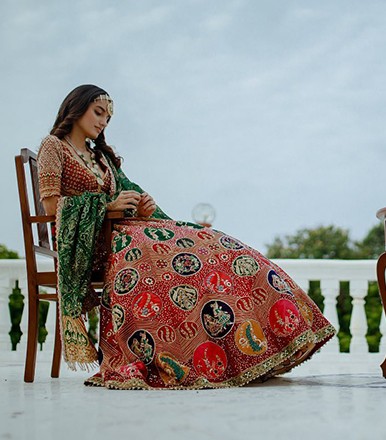
As I said earlier, our ancestors knew this and had their way to deal with it, which is apparently still relevant. Indian tradition has always matched attire with the season. Cotton sarees, khadi kurtas, and mulmul dupattas were never just aesthetic choices---they were tools of weather adaptation. Even regional attire like the South Indian cotton half-saree or Bengal's taant sarees were specifically designed for breathability and quick drying.
Dress for the Weather, Dress for Yourself
As summer hands over its baton to the monsoon, let your wardrobe reflect that transition. Wear fabrics that care for your skin, silhouettes that let your body move, and colours that uplift your soul.
Fashion is fun, but comfort is confidence. And nothing is more stylish than feeling fresh, dry, and at ease---even when the weather can't make up its mind.
So, whether the sun's blazing or clouds are bursting, step out in attire that's ready for both.
Check out Hello Fitness Magazine. There is never a wrong time to go on a fitness quest. Contact us and allow us to assist you in leading a better lifestyle. Follow us on Instagram. We share the best Health & Fitness related Articles for information based on healthy eating, health and fitness recommendations, health problems and their solutions, human body fitness, and much more.