From time immemorial, humans have waged war against one another, driven primarily by territorial disputes or clashing ideologies that have reshaped the course of human history in myriad ways.
The aftermath of these conflicts echoes in the millions that it left behind, dead or scarred for life. This would make one wonder if such devastation would have taught these nations the lesson that war is not the solution to any problem. Yet, history tells a different story.
In recent years, global tensions have escalated significantly. The world has borne witness to some of the most intense and protracted conflicts, such as between Russia and Ukraine and Israel and Palestine in Gaza, that have turned longstanding tensions into full-fledged wars.
The ripple effect of this global unrest nearly reached India and Pakistan---two nations with a complex and volatile relationship. Although minor skirmishes and cross-border firings were frequent, it had been nearly 30 years since both countries engaged in a full-fledged war.
This situation intensified dramatically in May 2025. The tension brewing at the border was resonating throughout the country, creating an overwhelming atmosphere of anxiety and uncertainty among its citizens. In this article, we explore the reasons behind these intense feelings and delve deeply into how war---or even the looming threat of it---impacts individuals and various facets of society.
Understanding recent India-Pakistan tension
Ever since the partition in 1947, India and Pakistan have been at each other's throats. The main reason behind this conflict is none other than the state of Kashmir.
It used to be a princely state, ruled by Maharaja Hari Singh. The Hindu ruler of a Muslim majority was given a choice to join either India or Pakistan. But he chose to remain neutral, until his state was under attack by Pakistan, post-independence.
This caused him to join India to support the safety of his province. But in the meantime, Pakistan was already able to capture the northern front, which we know today as Pakistan Occupied Kashmir or POK.
Despite having 30% of what was previously the princely state of J&K, Pakistan keeps coming for more. This has resulted in four wars between the two nations, with the Kargil War of 1999 being the last one to be fought at a high altitude.
Even after the de-escalations, Pakistan continues sending militants over to the Indian side to create havoc and weaken the armed forces. However, this time around, things took a drastic turn when civilians were targeted.
Pahalgam Attack
On April 22, 2025, militants attacked tourists in Baisaran Valley, Pahalgam, killing 26 civilians and injuring around 20.
Attackers reportedly targeted victims based on religion.
The initial responsibility claimed by The Resistance Front, which was linked to Lashkar-e-Taiba, was later withdrawn.
India's immediate actions included suspension of the Indus Waters Treaty, expulsion of diplomats, border and airspace closures, and increased security measures in Kashmir.
Operation Sindoor
Launched on May 7, 2025, as India's surgical military response.
Targeted nine terror infrastructure sites in Pakistan and Pakistan-administered Kashmir.
Intended as a non-escalatory action, aiming to disrupt militant groups like Jaish-e-Mohammed and Lashkar-e-Taiba.
Claimed significant destruction, including the death of militant leader Abdul Rauf Azhar.
Pakistan alleged civilian casualties and damage to civilian areas.
Pakistan's Retaliation
Pakistan responded swiftly with Operation Bunyan al-Marsoos.
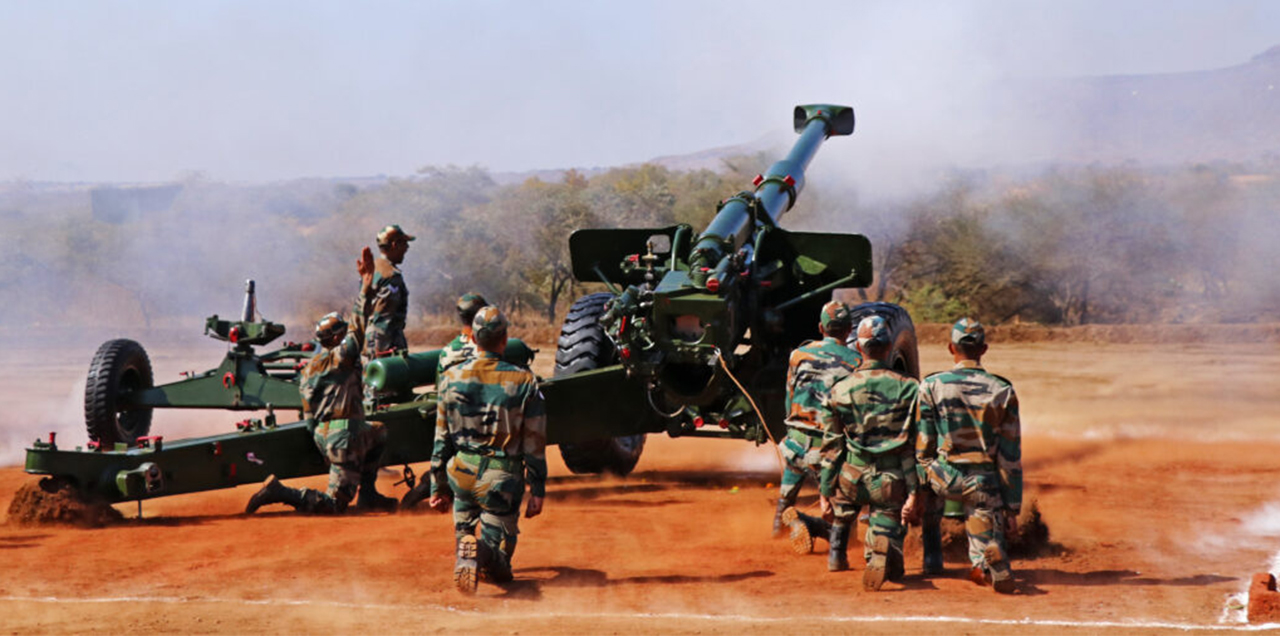
Targeted Indian military installations and defensive positions with artillery and drone strikes.
Significant fighting occurred around the Line of Control (LoC), notably affecting areas such as Poonch.
A ceasefire eventually took effect on May 10, mediated through diplomatic and international channels.
How does War impact a nation?
War doesn't just unfold on battlefields---it seeps into the fabric of a nation, altering its economy, society, and collective mindset. Even the threat of conflict can disrupt daily life, strain public resources, and shake people's sense of safety.
It divides communities, redirects national focus, and leaves psychological wounds that linger far beyond ceasefires. Before bullets are fired, fear already takes hold. Let's understand this better through following filters:
Psychological Impact
The 2020s have been filled with devastating news, one after the other. This new generation has already witnessed a global pandemic, enduring isolation, loss, and economic uncertainty at that time.
It was soon followed by constant exposure to global conflicts, such as Russia-Ukraine and Israel-Gaza, which heightened anxiety among people, creating a pervasive sense of insecurity and fear.
Hence, when the Pahalgam attack occurred, followed swiftly by Operation Sindoor and military escalation, India's collective psyche took a sharp hit.
Despite some hardcore nationalists calling for war, most Indians found themselves grappling with a deepened sense of vulnerability, helplessness, and uncertainty about the future.
Further feeding the fears of the Indians were the social media platforms and news outlets that constantly shared graphic content that amplified emotional distress, triggering symptoms like panic attacks, insomnia, and persistent anxiety even among those geographically distant from conflict zones.
Thus, the prospect of war didn't only disrupt daily life---it deeply scarred emotional well-being, leaving long-lasting impacts on mental health. Recognizing this psychological toll underscores the urgency for comprehensive support systems and accessible mental health care during such crises.
Economic impact
Although a full-fledged war was aborted, had there been a direct confrontation between the two countries, it would have created a widespread economic disruption across India.
Many sectors are still recovering from the pandemic-induced setbacks. The uncertainty and instabilities of war forced them into the gorge of bankruptcy. An early indication of this was the rapid plunge of the stock market, reflecting investor anxiety and diminishing consumer confidence.
Essential commodities would have witnessed a hike in price due to panic buying. This would have disrupted supply chains, straining household budgets already under pressure from inflation. Small businesses, still fragile from pandemic impacts, would have faced renewed challenges, struggling with shrinking revenues and disrupted logistics.
In short, even the possibility of conflict exposed India's economy to significant setbacks, emphasizing the importance of stable, peaceful conditions for sustainable growth.
Social and Cultural Impact
There's no denying that war, or its looming threat, profoundly affects society by amplifying nationalistic emotions. But, at the same time, it also intensifies communal tensions, particularly evident on social media platforms where misinformation and hate speech escalated rapidly.
Social chaos was already at its peak, with humans living in bordering areas wondering whether they would be displaced or have to flee their homes. This would have caused humanitarian challenges such as shortages in food, shelter, and medical care. Already burdened, these sudden migrations would further strain public resources.
Blackouts and curfews would limit freedoms, especially in border regions. Such disruptions would interrupt routines and damage social cohesion, trust among communities, and cultural harmony.
Choosing Hope Over Hostility
War, even in thought, highlights human vulnerabilities, urging us toward introspection and empathy. It reminds us that peace isn't merely the absence of conflict but the active pursuit of harmony through dialogue and understanding.
As citizens of a connected world, our strength lies not in divisions or boundaries but in shared resilience and cooperation. Each of us holds responsibility for nurturing compassion and rejecting hatred.
Choosing diplomacy and unity over hostility and suspicion will ensure the scars of past conflicts aren't repeated. Ultimately, our collective commitment to peaceful coexistence can shape a safer, more hopeful future for generations ahead.
Check out Hello Fitness Magazine. There is never a wrong time to go on a fitness quest. Contact us and allow us to assist you in leading a better lifestyle. Follow us on Instagram. We share the best Health & Fitness related Articles for information based on healthy eating, health and fitness recommendations, health problems and their solutions, human body fitness, and much more.