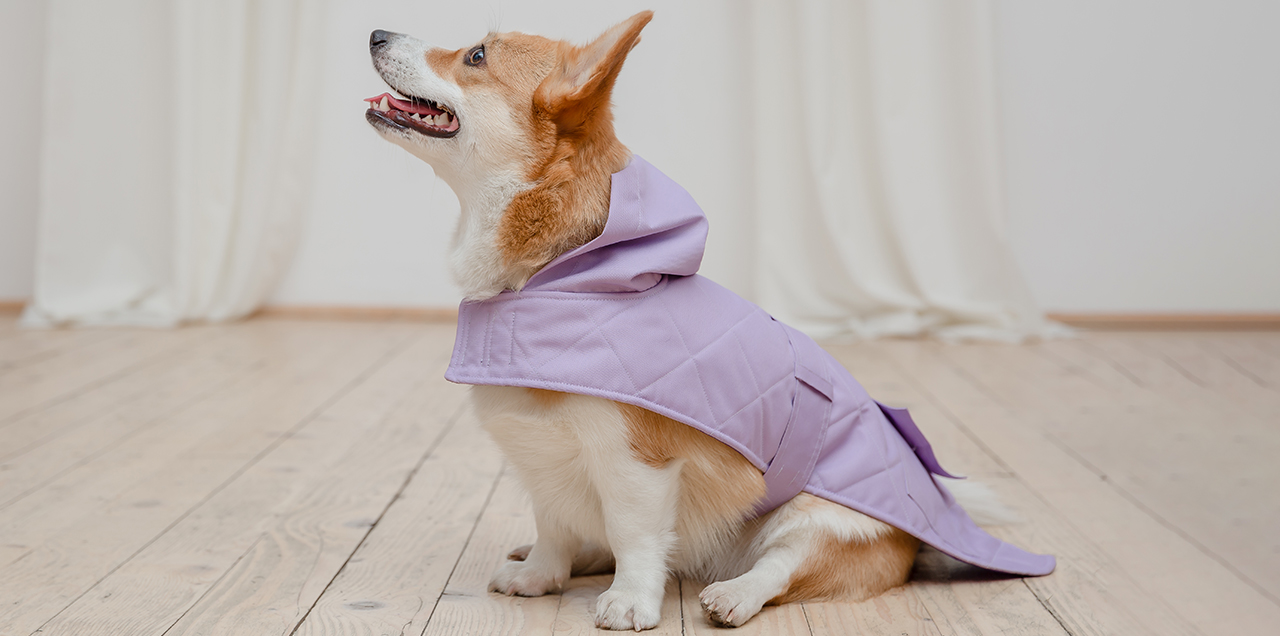
Weather change gets us all excited about switching up and often upgrading our wardrobe, but did you know that the same applies to your dog, too?
Just like we pick clothes that suit the season, our furry companions can benefit from weather-appropriate gear that keeps them comfortable and protected. While not every dog needs extra layers, certain breeds and conditions require a little wardrobe update.
To dig deeper into the science of clothing and understand why dogs need it, HFM brings you a comprehensive guide on dressing your dog based on its unique needs while keeping both the weather and comfort in check.
Do All Dogs Need Clothes?
The simple answer to this question will be NO. Not every dog needs to wear clothes. In fact, in some cases, it can even cause discomfort and in some cases infections as well. Therefore, it becomes important to understand when and when not to make your furry buddy a wool ball.
Like any other animal, dogs are weather-sensitive. Hence, the decision depends largely on the dog's breed, age, size, health, and the climate. There are several factors one must consider before wrapping the dogs in clothes.
Coat Type
One must always consider their dog's coat type. The coat here refers to the texture, length, and shedding characteristics of your dog's fur and can be characterised into four major types: smooth, wire, double, and long coats.
So, if your dog has a thick, double-layered coat (like Huskies, Malamutes, or Saint Bernards), then it is already equipped with natural protection against cold. However, if it has short hair like that on Greyhounds, Beagles, or Chihuahuas, then it might require protection in winter, when temperatures drop below 15°C---especially under 10°C---as they're prone to cold stress.
Size and Weight
The physical attributes of your dog also play a vital role in deciding whether it needs clothing. For starters, small and lightweight dogs are more susceptible to cold as they have a harder time retaining body heat compared to larger breeds. These dogs often benefit from wearing light sweaters or insulated jackets during walks or outdoor play in winter.
On the other hand, large and heavy dogs like Great Danes, Saint Bernards, or Newfoundlands are naturally insulated due to their size and thick bodies. They generally don't need clothing unless temperatures fall below -2°C, where added protection may be necessary during extended outdoor exposure.
Age
Like humans, age is an important factor to consider. Puppies and senior dogs are more vulnerable to weather changes because their ability to regulate body temperature isn't as strong.
In the early stages of their lives, puppies don't have the requisite muscle development or fat layers to keep their bodies insulated. Simultaneously, older dogs often experience reduced circulation and slower metabolism. Cold weather can be especially tough on ageing joints, potentially worsening arthritis or stiffness.
Because of these factors, both puppies and senior dogs are more vulnerable to cold and can benefit from warm clothing during winter to stay comfortable, prevent health issues, and maintain mobility.
Seasonal Breakdown of Your Dog's Clothing
Every dog's genetic makeup is unique and shaped by the climate it was originally bred for. This influences its tolerance towards various weather conditions, making some more vulnerable to extreme heat, cold, or humidity.
Understanding these differences is key to choosing the right clothing for your dog, ensuring they stay safe and happy year-round. Therefore, below is a seasonal breakdown of your dog's clothing that will help you choose appropriate clothes for them.
Keeping warm in Winters
Winter can be hard on dogs with short or fine hair, such as Dobermans or Boxers. These dogs lack the dense undercoats to retain body heat. Similarly, smaller dogs, thin-bodied breeds, puppies, and elderly dogs are also more vulnerable during colder months.
To keep your dogs warm in the chills, you can make them try on a well-fitting sweater or insulated jacket that helps trap body heat in vital areas like the chest and belly. If you reside in extremely snowy regions, consider dog booties, which can prevent frostbite and keep their paws safe.
Irrespective of the breed, senior dogs are susceptible to arthritis and joint issues, and the cold of winter can cause joint stiffness in such dogs. However, appropriate clothing, such as insulated coats/jackets, sweaters, and paw protections, can help reduce or, at times, prevent these issues.
Staying dry in Monsoon
Is your dog a pluviophile? Then, you're already aware of the challenges that monsoons bring every year. Those drenched coats and soggy, muddy paws might not initially seem like a threat. Still, prolonged exposure can cause discomfort, fungal issues, or skin irritations.
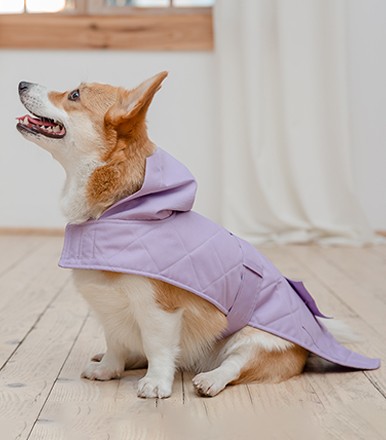
But worry not---raincoats designed specifically for dogs are also available. They shield the body from constant moisture, especially on the back and belly, keeping your dog dry during walks.
However, whenever you buy one for your dog friend, ensure it comes with a hood or neck covering. This will ensure that the veil doesn't obstruct their vision or movement.
Lightweight and waterproof materials work best for the rainy season, allowing airflow while repelling water. For dogs with longer fur, raincoats also help reduce the hassle of post-walk drying and grooming.
Don't forget the paws in a hurry. Wet ground and puddles can expose dogs to bacteria and sharp objects. Rubber or silicone dog booties provide a barrier against mud and moisture.
No interference in summers
Unlike humans, dogs have an internal mechanism that allows them to cool themselves through panting and limited sweat glands located in their paws. Hence, most dogs are better off without clothes in summer, and adding an additional layer of clothing will only interfere with their natural cooling process.
Fit Check: Choosing the Right Clothes for Your Dog
One of the biggest mistakes that every pet parent makes is they buy clothes that look cute, rather than clothes that will be actually comfortable for their pets.
The right fit greatly affects your dog's comfort, movement, and safety. A poorly fitting outfit---too tight, loose, or made from the wrong material---can irritate the skin, restrict movement, or even pose a choking hazard.
So, how can you ensure the clothes are right for your dog? Well, for once, you can start by measuring your dog. You'll need three main measurements: the neck, chest (just behind the front legs), and length (from the base of the neck to the base of the tail). Always compare these to the sizing chart of the brand you're buying from, as sizes can vary.
Then comes the comfort check. Always make sure the clothes allow your dog to move freely. Your dog should be able to walk, run, sit, and lie down without discomfort.
Avoid tight sleeves or stiff fabrics that bunch up or rub under the legs. The neck and chest areas should be snug but not restrictive. If you can fit two fingers comfortably between the fabric and your dog's body, it's usually a good sign.
Always choose breathable, soft materials that won't trap heat or cause itching. Avoid zippers or accessories that can catch fur or be chewed off. Look for clothes with easy-to-use fastenings like Velcro or snap buttons that simplify dressing and undressing.
Making the Right Choice for Your Dog's Comfort
Dressing your dog is about comfort and protection, not fashion. Some dogs need it; others don't---know your dog's size, age, health, and breed. Many dogs aren't comfortable with clothing at first, but with gradual desensitization and the right fit, they often adapt and even enjoy the warmth and comfort.Prioritize fit and function over looks. If your dog moves easily and seems at ease, you've made the right choice.
Remember: Their comfort always comes first.
Reviewed by Bhavna Gakhar, a passionate dog behavior consultant.
Check out Hello Fitness Magazine. There is never a wrong time to go on a fitness quest. Contact us and allow us to assist you in leading a better lifestyle. Follow us on Instagram. We share the best Health & Fitness related Articles for information based on healthy eating, health and fitness recommendations, health problems and their solutions, human body fitness, and much more.