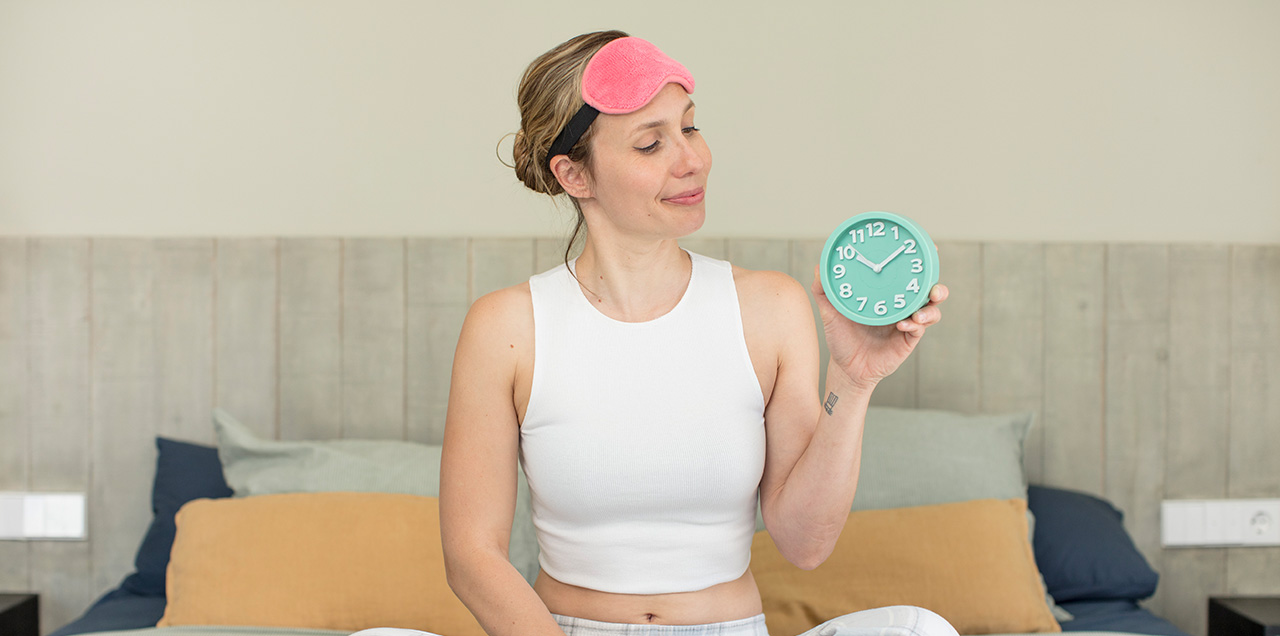
A phrase we've all heard, perhaps with a hint of childhood eye-rolling. Yet, what if those age-old words, uttered by grandparents long before sleep-tracking apps and nutrition coaches existed, were actually grounded in science? To many of us, it sounded like old-fashioned wisdom, a moral lesson about discipline and good manners. But today, as researchers decode the mysteries of the human body, one truth gleams brighter than ever: our elders weren't just preaching discipline; they were describing biology's oldest rhythm; the circadian rhythm.
What our grandparents called "good habits" for building routine, scientists today call Circadian Rhythm; a 24-hour internal clock ticking inside us, regulating sleep, energy, hunger, and even mood. It's the silent rhythm that orchestrates our daily life, syncing our bodies with the natural world. And just like the sunrise and sunset, it's meant to be steady, not chaotic.
Every Body Has A Natural Timeless Conductor
Every living being on Earth dances to the rhythm of nature. Birds rise with dawn's first light. Flowers bloom as the sun ascends and close as it fades. Even the tiniest cell in your body follows a clock, the one that's been ticking since humanity began.
In humans, this clock is governed by a tiny region in the brain called the Suprachiasmatic Nucleus (SCN), located in the hypothalamus. Think of it as your master conductor, keeping every organ and system in sync, from your heart to your hormones. Its main cues come from light and darkness. Morning light signals the brain to stop producing melatonin, the sleep hormone, and start gearing up for alertness and energy. As evening sets in, darkness does the opposite: melatonin rises, body temperature drops, and the body prepares for rest.
This constant cycle of 'awake with the sun, asleep with the dark', isn't a cultural norm; it's biological programming. It's how our ancestors lived before alarm clocks and fluorescent lights hijacked nature's schedule.
When We Fall Out of Sync
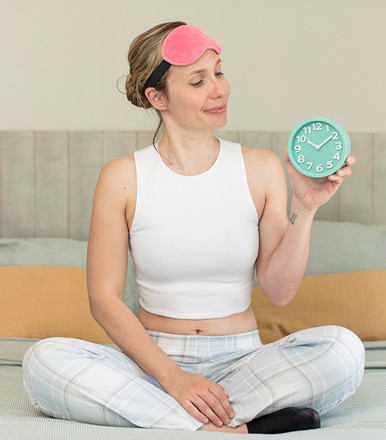
Now picture this: You stay up past midnight scrolling through your phone, the blue light tricking your brain into thinking it's daytime. You skip breakfast, have coffee at noon, lunch at 4 p.m., and dinner at 11. Sound familiar?
This lifestyle, though modern, is in direct conflict with our biology. The result? A disrupted circadian rhythm, which can feel like living slightly out of tune with yourself.
The effects go far beyond tired eyes and cranky mornings. Chronic disruption of this rhythm has been linked to obesity, diabetes, depression, weakened immunity, and even cancer risks, due to melatonin suppression. It also impacts cognitive performance ; memory, decision-making, and mood regulation all suffer when our body clock is offbeat.
Our elders may not have known the science, but they intuitively understood the cost of imbalance. "Don't eat too late." "Wake up before sunrise." "Sleep on time." These weren't arbitrary rules; they were survival codes for harmony with nature.
This isn't lifestyle advice. It's an ancient script written into your DNA.
The Wonder Within: How the Clock Keeps You Running
Every morning, when sunlight hits your eyes, it sends a signal straight to the SCN, resetting your internal clock. This triggers a cascade, cortisol levels rise (helping you feel alert), body temperature increases, and metabolism revs up. As the day progresses, your energy peaks and then gradually tapers.
By evening, the absence of light tells your pineal gland, a small structure nestled deep in your brain, to release melatonin. Often misunderstood as just a "sleep hormone," melatonin actually helps repair cells, strengthen immunity, and fight inflammation. In fact, it's a silent healer working while you rest, we can call it a nightly maintenance crew for your body.
When this rhythm flows naturally, your body functions like a perfectly tuned orchestra. When it's disrupted, every instrument, your organs, hormones, and mind, starts to play off-key.
Sunrise Over Snooze Button: Lessons from the Wild
Look at nature's creatures, no alarm clocks, no screens, no caffeine-fueled late nights. Birds sing at dawn, lions nap after a hunt, and flowers follow the sun. Their lives are dictated by light and dark, not deadlines and devices.
Humans, too, evolved with this natural order. We were meant to rise with the light and rest with the dark. But in our race toward productivity, we've defied the very rhythm that sustains us. Artificial lights extend our "daytime" into midnight, screens mimic daylight, and constant connectivity makes true rest a luxury.
It's no wonder fatigue and anxiety feel like epidemics, because we've lost touch with the most fundamental clock there is: our own.
The Problem: The Modern Disconnect
Our biggest struggle today isn't lack of time but lack of alignment. We live in a 24/7 culture where night feels optional and rest feels like guilt. But the human body was never designed for constant stimulation.
Common symptoms of being "out of rhythm" include:
- Trouble sleeping or waking up groggy
- Afternoon energy crashes
- Mood swings or irritability
- Unexplained weight changes
- Difficulty concentrating
Sound familiar? These are not random. They\'re your body's way of saying, I'm off schedule.
The Solution: Reset Your Inner Clock
The good news? You can restore your circadian rhythm without expensive treatments or dramatic lifestyle changes. Think of it as returning home; to a pace your body already knows.
Here's how:
- Wake Up with the Sun: Natural light in the morning resets your master clock. Even 10 minutes outdoors can make a difference.
- Eat on Time: Keep meal times consistent. Your digestive system runs on its own clock, too.
- Move in the Morning: Gentle movement at sunrise boosts serotonin and energy.
- Dim the Lights: As evening approaches, lower light intensity to signal "night mode" to your body.
- Sleep Like Nature Intended: Aim for 7-8 hours in complete darkness, the body's peak repair period.
- Eat by the Clock, Not the Craving: Heavier meals in the day, lighter ones at night.
Follow the 10-3-2-1 Rule:
- No caffeine 10 hours before bed,
- no alcohol 3 hours before,
- stop work 2 hours before,
- and screens off 1 hour before.
These small shifts realign your physiology with the Earth's rhythm, reducing stress, improving mood, and promoting long-term health.
Back to the Beginning: Wisdom Meets Science
When your grandmother told you to sleep early and rise with the dawn, she wasn't being strict, she was being scientific, in her own way. She was protecting your internal harmony long before wellness became an industry.
Science now validates her words, aligning your life with light and darkness isn't just about routine, it's about resilience. The circadian rhythm isn't a wellness trend. It's the pulse of life itself, a biological bridge between tradition and modern medicine. So the next time you wake up with the sunrise and feel that quiet calm wash over you, remember that your body isn't just waking up. It's remembering its rhythm.
And perhaps, in honouring that rhythm, we're finally catching up to the wisdom that's been watching the sunrise long before we did.
Check out Hello Fitness Magazine. There is never a wrong time to go on a fitness quest. Contact us and allow us to assist you in leading a better lifestyle. Follow us on Instagram. We share the best Health & Fitness related Articles for information based on healthy eating, health and fitness recommendations, health problems and their solutions, human body fitness, and much more.