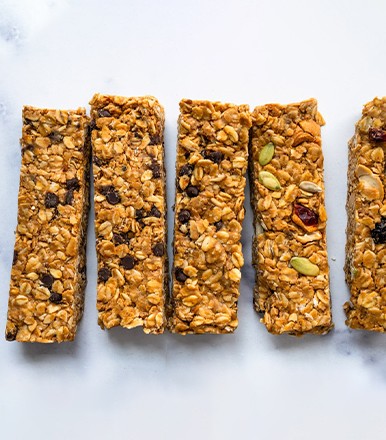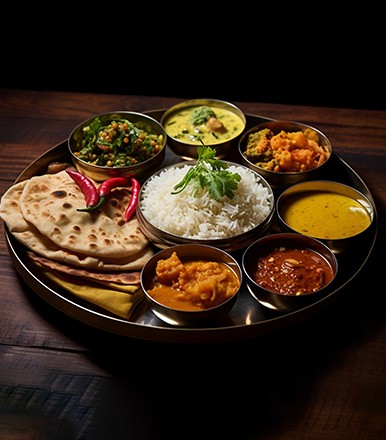



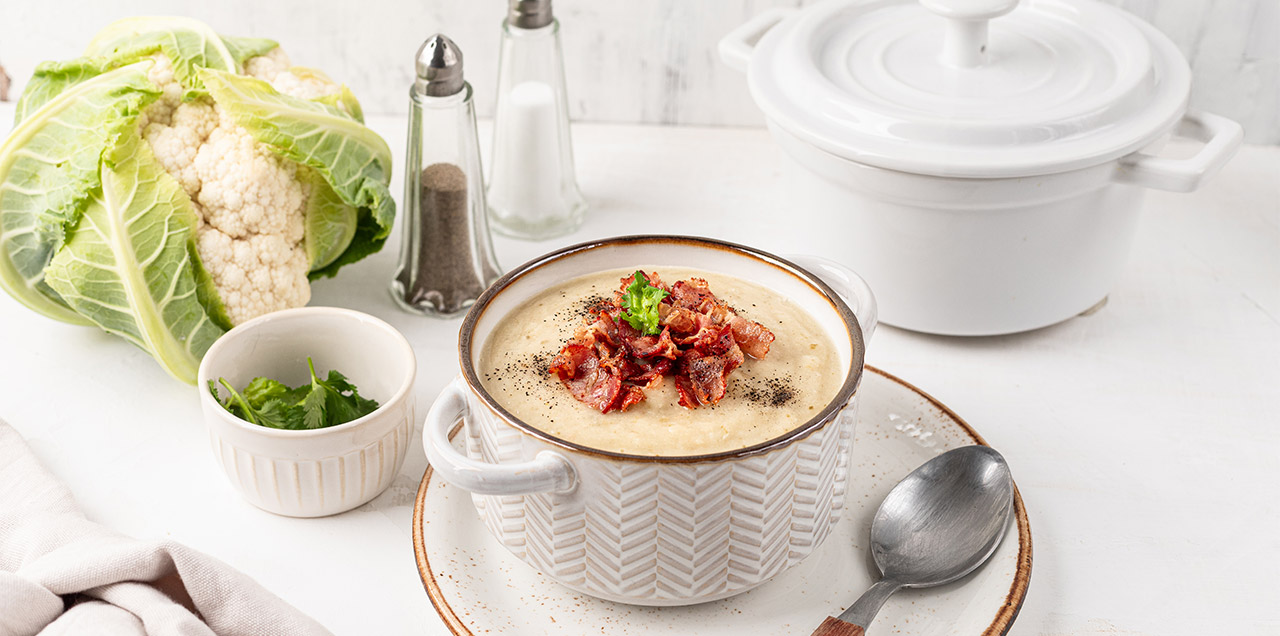
Nothing beats the sound of raindrops against windows while something delicious simmers in the kitchen. Monsoons bring unique food cravings - we naturally gravitate toward warm, comforting dishes that chase away the dampness. There's actual science behind this too. High humidity affects our metabolism and appetite patterns, making us crave foods that warm us from within.Traditional Indian households have mastered monsoon cooking over centuries. Grandmothers instinctively knew which spices fight off seasonal bugs and which cooking methods preserve nutrients during humid weather. These aren't just comfort foods - they're therapeutic recipes designed by generations of experience.
5 Quick Rainy Season Recipes for Cozy Evenings
1. Masala Oats Khichdi

Forget everything you know about boring oats. This version transforms them into something your grandmother would approve of - hearty, satisfying, and packed with flavor.
What you'll need:
1 cup steel-cut oats
1/2 cup yellow moong dal
1 tsp turmeric (the golden immunity booster)
1 tbsp fresh ginger paste
1 tsp cumin seeds
2 tbsp ghee
1 cup mixed vegetables (whatever's in your fridge)
Salt to taste
Getting it right: Heat ghee until it shimmers. Toss in cumin seeds - they should sizzle immediately. Add ginger, let it release that amazing aroma for about 30 seconds. Now comes the game-changer: dry roast your oats and dal together for 2-3 minutes. This step creates nutty undertones that regular oats khichdi never achieves.
Add turmeric, vegetables, and 3 cups water. Pressure cook for 3-4 whistles. The result? A bowl of golden goodness that's both healthy food in rainy season and comfort food rolled into one.
Pro tip from experience: Let it rest for 5 minutes after cooking. The texture improves dramatically as residual steam finishes the job.
2. Spiced Corn & Veggie Soup

Street vendors know something about corn soup that restaurants often miss - it's all about layering flavors instead of just boiling everything together.
Ingredients that matter:
2 cups fresh corn kernels (frozen works too)
1 medium carrot, small dice
1 cup bell peppers, any color
1 medium onion
1 tsp black pepper (don't skimp on this)
Fresh coriander for garnish
4 cups vegetable stock
The method behind the magic: Start with onions. Cook them until they're translucent and sweet - rushing this step ruins everything. Carrots go in next, followed by peppers after 3-4 minutes. The timing matters because each vegetable has different cooking requirements.
Corn kernels need about 15 minutes to release their natural starch, which thickens the soup without any artificial additives. Season generously with black pepper - it's not just for taste, it actually helps your body absorb nutrients better.
Fresh coriander goes on at the very end. Heat destroys its delicate oils, so stir it in just before serving. This represents food we eat in rainy season at its finest - warming, nourishing, and naturally healing.
3. Garlic Paneer Toast

Some combinations are so perfect they seem obvious in hindsight. Garlic and paneer is one of those matches made in culinary heaven.
Simple ingredients, complex flavor:
4 slices whole grain bread
200g fresh paneer, crumbled
6 large garlic cloves
2 green chilies, minced fine
Fresh cilantro and mint leaves
2 tbsp ghee
Pinch of salt
Technique trumps everything: Crushing garlic releases allicin - that's the compound responsible for garlic's health benefits and intense flavor. Don't mince it, don't slice it, crush it with the flat side of your knife. Mix this with crumbled paneer, herbs, and chilies.
Heat ghee in a heavy pan. Place bread slices mixture-side down first. This creates a beautiful crust that seals in flavors. The flip requires patience - wait until you hear gentle sizzling slow down before turning.
What makes this best food for rainy season? Garlic's natural antibiotic properties kick in just when humidity creates perfect conditions for seasonal infections. Plus, the combination of protein and complex carbs provides steady energy during lazy indoor days.
4. Stuffed Moong Dal Chilla

Chillas are criminally underrated. They're basically Indian crepes that pack more protein than most breakfast options while being infinitely more satisfying.
Foundation ingredients:
1 cup yellow moong dal (soaked 4 hours minimum)
2 tsp ginger-green chili paste
1 cup fresh spinach, chopped
1 medium onion, minced
Cumin, coriander, turmeric - about 1/2 tsp each
Oil for cooking
Where most people go wrong: Soaking time isn't negotiable. Four hours minimum, overnight is better. Under-soaked dal won't grind smooth, and your chillas will be dense instead of fluffy.
Drain completely before grinding. Extra water creates thin batter that spreads too much and tears easily. Aim for thick yogurt consistency - it should coat the back of a spoon but still pour smoothly.
Heat your pan properly. Medium heat, no higher. Too hot and the outside burns before the inside cooks. Too cool and you get soggy, pale chillas instead of golden beauties.
The stuffing possibilities are endless, but spinach and onions create the perfect balance of nutrition and flavor. This particular combination has sustained Indian families through countless monsoons.
5. Instant Vegetable Poha Bowl

Poha gets dismissed as breakfast food, but it's actually one of the most versatile ingredients in Indian cooking. This version works beautifully as light dinner or hearty snack.
Pantry warrior ingredients:
2 cups thick poha
2 medium potatoes, small cubes
1/2 cup green peas
1/4 cup peanuts
10-12 curry leaves
1 tsp mustard seeds
Turmeric, salt, lemon juice
Timing is everything: Rinse poha quickly - literally 30 seconds under running water, then drain immediately. Over-soaking creates mush instead of fluffy grains.
Tempering (tadka) makes or breaks this dish. Heat oil, add mustard seeds, wait for the popping sound. Curry leaves go in next - they should sizzle and become crisp. This releases their unique flavor that makes rainy season food in india so distinctive.
Potatoes need the longest cooking time, so they go in first. Once they're tender, add peas and peanuts. The peanuts provide healthy fats and a satisfying crunch that contrasts beautifully with soft poha.
Fold in the poha gently - aggressive stirring breaks the delicate flakes. Turmeric gives that characteristic golden color, while lemon juice brightens all the flavors. Hello Fitness Magazine testing shows this combination provides sustained energy without the crash that comes from processed snacks.
Conclusion
Monsoon cooking is about eating smart for the season. These easy recipes use ingredients that support immunity, aid digestion, and keep energy levels steady. Inspired by traditional wisdom and backed by modern research, they’re flexible, comforting, and stress-free to make. Stock up on pantry basics like oats, moong dal, poha, spices, and ghee to whip up nourishing meals anytime.
Check out Hello Fitness Magazine. There is never a wrong time to go on a fitness quest. Contact us and allow us to assist you in leading a better lifestyle. Follow us on Instagram. We share the best Health & Fitness related Articles for information based on healthy eating, health and fitness recommendations, health problems and their solutions, human body fitness, and much more.



-cr-386x440.jpg "7 Best Indian Raita Recipes to Pair with a Light Summer Dinner")