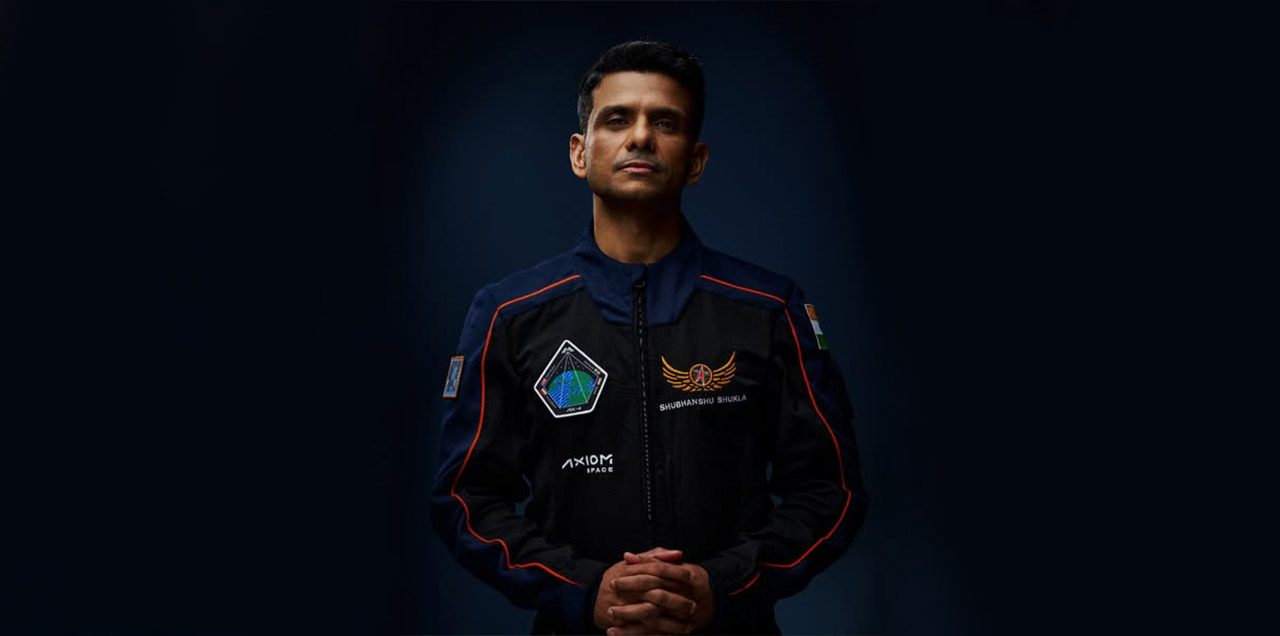
Space travel pushes the human body to its limits. And when astronauts return home, their journey is far from over.Group Captain Shubhanshu Shukla, one of the most prominent Indian astronauts, recently completed his mission aboard the International Space Station (ISS) as part of the Axiom 4 mission. He spent several weeks floating in microgravity without the normal push, pull, or weight-bearing pressure we experience on Earth.Now that he’s back to Earth, his body faces a new mission: recovery.Muscle loss is one of the biggest challenges astronauts face after spaceflight. But with discipline, science, and hard training, recovery is possible. Shukla’s fitness journey is a perfect example of how the human body adapts, rebuilds, and regains strength after space.
Let’s take a closer look at what happens to muscles in space and how Captain Shubhanshu Shukla is rebuilding his strength step by step.
What Happens to Muscles in Space?
On Earth, gravity constantly works on your body. Every step, stretch, and lift uses muscles to resist that pull. But in space, astronauts live in a weightless environment.Without gravity, muscles don’t get the same level of engagement. Legs, back, and core muscles especially the ones that help you stand, walk, and balance start to weaken.Even with exercise equipment on the ISS, muscle atrophy (shrinking of muscles) can’t be avoided entirely. Astronauts may lose up to 20% of muscle mass on long missions. This affects mobility, posture, strength, and reflexes.The return to Earth brings its own challenges. Suddenly, the body feels heavy. Joints ache. Simple movements become harder. That’s why post-mission rehab is just as crucial as the training before the launch.
Shubhanshu Shukla’s Post-ISS Recovery Plan

After touching down, Group Captain Shubhanshu Shukla began a structured recovery program. His team of physiologists and trainers created a system that combines physical exercise, mental focus, and proper nutrition.
1. Resistance Training to Rebuild Mass
Muscle mass loss needs targeted recovery.
Shukla’s post-mission workouts focus on resistance training weightlifting and bodyweight exercises designed to rebuild strength.
This includes:
Leg presses and squats for lower body recovery
Deadlifts and rows to strengthen back and shoulders
Core stability exercises to fix posture and balance
Use of resistance bands for joint-safe muscle activation
These sessions are short but intense. The aim isn’t just to bulk up but to restore normal function and daily movement ability.
Progress is tracked daily using strength scores, muscle scans, and mobility tests.
2. Cardiovascular Conditioning
After long periods in space, the heart becomes slightly smaller and less efficient at pumping blood. Returning astronauts often feel dizzy when they stand up too quickly.
Shukla's plan includes regular cardiovascular conditioning, including:
Stationary cycling
Incline treadmill walking
Rowing machine intervals
These activities boost circulation, lung capacity, and overall endurance. He trains in short bursts, slowly increasing time and intensity over several weeks.
This also helps combat fatigue, which is common after re-entry.
3. Neuromuscular Retraining
Microgravity doesn’t just weaken muscles it also confuses the brain.Without the need to balance or resist gravity, the brain reduces communication with muscles. After returning, the body must relearn how to balance, stand, and react.
Shukla undergoes neuromuscular retraining, which includes:
Balance board exercises
Reflex drills
Gait (walking) analysis
Eye-body coordination work
These movements seem simple but are essential to reconnect brain signals with the body. They also prevent falls, injuries, and stiffness during daily life.
Over time, this brings back smooth, stable motion and natural confidence in movement.
4. Nutrition for Recovery
Food is medicine, especially after spaceflight.
Shukla’s diet focuses on protein-rich meals, hydration, and anti-inflammatory foods to speed up recovery and prevent muscle breakdown.
His plan includes:
Lean proteins like eggs, paneer, fish
Leafy greens and fresh fruits
Complex carbs like oats and millets
Bone-strengthening nutrients calcium, magnesium, and vitamin D
Regular hydration with added electrolytes
Meals are timed around workouts to support muscle repair and energy levels. Processed foods and sugar are avoided during recovery weeks.
What Can We Learn from Astronaut Fitness?

Most of us won’t go to space. But Shubhanshu Shukla’s routine has plenty of lessons for daily life here on Earth.
Here’s what you can learn from it:
Use it or lose it: Muscles need regular use. If your job is sedentary, add simple strength workouts 3–4 times a week.
Train for function: Don’t just train to look fit—train to move well. Strengthen your legs, back, and core to improve posture and balance.
Focus on recovery: Sleep, hydration, and stretching matter as much as training.
Keep showing up: Even astronauts start with baby steps post-flight. Progress takes patience.
Discipline, structure, and goal-setting make the difference. Whether you’re in a gym or coming back to Earth after space, recovery is all about consistency.
Muscle Loss Recovery Timeline After Spaceflight
Recovery doesn’t happen overnight. It’s a process, and each stage builds on the previous one.
Here’s a simplified timeline for muscle rehabilitation:
Week 1–2:
Light resistance workouts
Core activation
Walking with support
Controlled balance drills
Week 3–6:
Medium weights
Endurance cycling
Neuromuscular focus
High-protein nutrition plans
Week 6–12:
Return to normal strength levels
Advanced balance work
Structured flexibility training
Full-body routines with functional goals
By 3 months, most astronauts regain up to 90% of lost strength if the plan is followed strictly. The rest improves gradually through lifestyle integration.
Conclusion
Captain Shubhanshu Shukla’s return from space isn’t just about science. It’s a masterclass in human resilience and fitness.His recovery journey shows how discipline, planning, and patience can rebuild even a body worn down by weeks in zero gravity.As one of the key faces of the Axiom 4 mission, Shukla has not only represented India in space but also inspired us to take our health seriously here on Earth.Whether you’re an athlete, a desk worker, or a student, his path shows what smart recovery, strength training, and commitment can achieve.
Check out Hello Fitness Magazine. There is never a wrong time to go on a fitness quest. Contact us and allow us to assist you in leading a better lifestyle. Follow us on Instagram. We share the best Health & Fitness related Articles for information based on healthy eating, health and fitness recommendations, health problems and their solutions, human body fitness, and much more.
Image credit to - Axiom Space