



For most of human history, food came from the land, the season, and the climate people lived in. What grew locally was what was eaten. There were no supermarkets stocked with everything, all year round. Meals changed naturally with the weather. And the body adapted alongside it.
Today, modern food access has quietly disconnected us from that rhythm. We can eat strawberries in winter, heavy fried food in peak summer, and processed snacks at any hour of the day. While this convenience feels normal, it comes at a cost. Fatigue, inflammation, digestive discomfort, hormonal imbalance, and low immunity are now common, not because food is scarce, but because it is no longer aligned with the body's needs.
Seasonal eating is not a diet or a trend. It is the most natural way humans are designed to eat. It respects geography, climate, and time of year. When we eat with the seasons, we work with the body instead of pushing against it.
Each season brings specific physiological demands, and nature provides foods that support those needs.
Summer
In summer, the body generates more internal heat. Digestion can feel weaker, and dehydration becomes common. Seasonal summer foods like cucumber, gourds, melons, coconut, mint, and lightly cooked vegetables help cool the body, hydrate tissues, restore electrolyte balance and reduce inflammation. These foods are lighter, easier to digest, and naturally calming for the system.
Monsoon
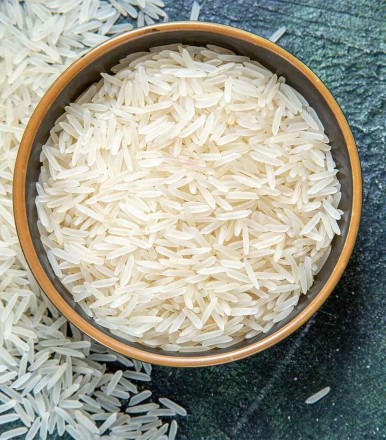
The monsoon brings humidity, which slows digestion and increases the risk of infections. This is when bloating, acidity, and gut issues often show up. Monsoon foods traditionally support digestion and immunity. Warm, freshly cooked meals, fermented foods, simple dals, rice, seasonal vegetables, and digestive spices help protect the gut and strengthen resilience during this vulnerable period.
Winter
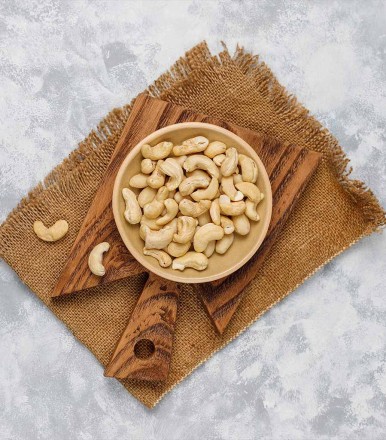
Winter places different demands on the body. Cold weather increases the need for warmth, nourishment, and strength. Digestion is naturally stronger, and the body can handle denser foods. Seasonal winter foods like root vegetables, millet-based meals, nuts, seeds, ghee, and warming spices support energy, muscle strength, and immunity. These foods help build reserves rather than deplete them.
Alignment with the Body’s Rhythms
Eating this way supports the body's natural rhythms. Just as we follow circadian rhythms across the day, the body also follows circannual rhythms across the year. Hormones, metabolism, digestion, and immunity shift with daylight, temperature, and season. Seasonal eating aligns with these changes and reduces internal stress.
Gut Microbiome and Seasonal Diversity
The gut microbiome also changes with the seasons. Research shows that microbial diversity fluctuates based on diet and environment. Seasonal foods encourage this diversity, which plays a role in immunity, inflammation control, mood, and energy levels. When we eat the same ultra-processed foods all year, gut diversity reduces. Over time, this can show up as bloating, low immunity, fatigue, skin issues, and hormonal imbalances.
Simplicity and Freshness
One of the biggest advantages of seasonal eating is simplicity. It does not require fancy meal plans, imported ingredients, or constant supplementation. Variety happens naturally as seasons change. The body receives different nutrients across the year without force.
Local, seasonal food is also fresher. It is harvested closer to consumption, stored for shorter periods, and often easier to digest. Food that has travelled long distances or sat in storage for months can be more taxing on the gut, even if it looks appealing.
Emotional Balance and Nervous System Support
Food also impacts the nervous system, not just digestion. Seasonal foods support emotional balance by matching the body's internal state. Cooling foods calm excess heat and irritability in summer. Warming foods provide grounding and stability in winter. When the nervous system feels supported, digestion, sleep, and mood improve together.
Body Awareness and Listening
Seasonal eating encourages body awareness. Instead of following rigid rules, it teaches us to listen. Hunger cues change. Digestion changes. Energy changes. When we pay attention, the body often tells us what it needs. This awareness builds trust between the body and mind.
Small Shifts Matter
Small shifts are enough. Choosing seasonal fruits and vegetables. Eating warm foods when digestion feels slow. Reducing cold, raw, or processed foods during vulnerable seasons. These changes may feel subtle, but over time, they support metabolic health, gut function, hormonal balance, and immunity.
Conclusion
At its core, seasonal eating brings us back to alignment. Less forcing. Less fighting the body. More listening. More respect for nature's intelligence and the body's wisdom.
When we eat with the seasons, we do not chase health. We allow it to emerge naturally.