


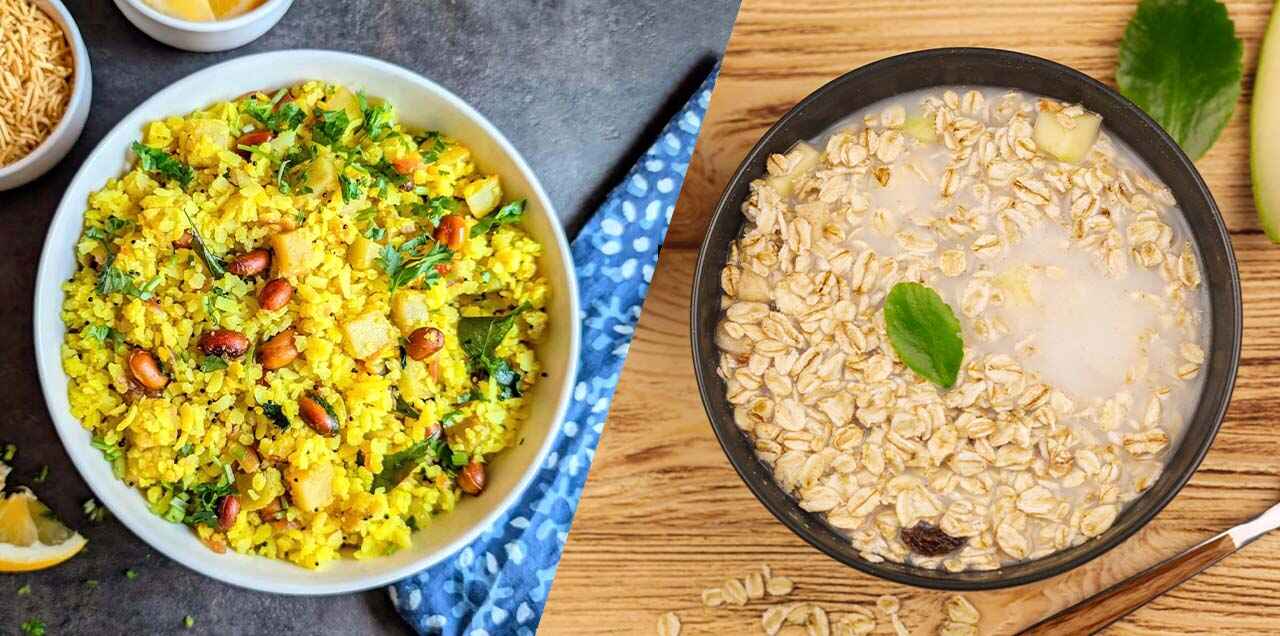
When planning a healthy breakfast, two popular choices often come to mind: oats and poha. Both are light, filling, and nutritious, making them favourites for people trying to lose weight or maintain fitness. But which one is truly better? Let's explore their nutrition, calories, and health benefits to help you make the right choice.
Understanding Poha and Its Nutrition
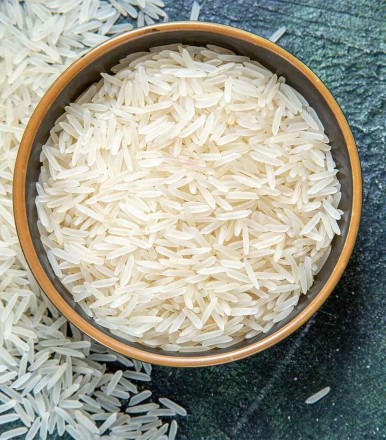
Poha, also known as flattened rice, is a staple in many Indian households. It is quick to prepare, easy to digest, and versatile enough for any meal of the day.
Poha Nutrition Overview
A 100-gram serving of poha provides around 110-130 calories, depending on how it is cooked. When compared with other grains, poha calories are relatively low, making it a light option for those who prefer a simple meal that does not weigh them down.
Health Benefits of Poha
Here is why poha benefits go beyond taste:
- It is rich in iron and carbohydrates, offering quick energy.
- Contains a small amount of fibre that helps with digestion.
- Keeps you full without feeling heavy.
Many people ask, Is poha good for weight loss? Yes, when cooked with minimal oil and vegetables, poha can support weight management because it is low in fat and calories.
Nutritional Value of Oats
Oats are known for their impressive nutritional profile and their role in fitness diets worldwide. They are higher in protein and fibre compared to most grains, which helps control hunger and supports muscle recovery.
Oats Calories and Protein Content
A 100-gram portion of oats provides around 100g oats calories or oats calories 100g of approximately 380 to 400. That is more than poha, but these calories come from nutrient-rich carbohydrates and proteins.
The oats protein per 100g is about 13 grams, making oats an excellent source of plant-based protein. Many people enjoy protein oats as a breakfast option to increase satiety and maintain energy levels for workouts.
Are Oats Good for Weight Loss?
If your goal is to build lean muscle or maintain energy through the day, oats are a great option. The soluble fibre beta-glucan found in oats aids digestion and helps reduce cholesterol. In moderation, oats for weight loss can be effective because they promote fullness and reduce the urge to snack.
Oats vs Poha: A Nutritional Comparison
Both oats and poha are nutritious, but their calorie and nutrient profiles differ in several key ways.
A 100-gram serving of poha contains about 110 to 130 calories, while a 100-gram oats calories range between 380 and 400 calories. This means oats have nearly three times more calories than poha.
In terms of protein, poha provides 2 to 3 grams, while oats protein per 100g is around 13 grams, giving oats a clear advantage for those aiming to build or maintain muscle. Oats also offer up to 10 grams of fibre compared with just 1 gram in poha, which makes them better for digestive health and long-lasting energy.
Poha, on the other hand, is easier to digest and lighter on the stomach, making it suitable for people who prefer simple, low-fat meals. Oats have moderate fat and iron levels, whereas poha is naturally rich in iron and carbohydrates that supply quick energy.
Which One Should You Choose?
Both oats and poha can easily fit into a healthy diet. The choice depends on your personal fitness goals.
Choose Poha If:
- You prefer a light, low-calorie meal.
- You want something quick and easy to digest.
- You enjoy traditional Indian-style breakfasts.
Choose Oats If:
- You want higher protein and fibre content.
- You focus on building muscle or maintaining energy levels.
- You like experimenting with smoothies, overnight oats, or baked snacks.
For weight loss, oats have an advantage because of their protein and fibre, but poha remains an excellent option for those who prefer a lighter, traditional meal.
Tips for a Healthier Bowl
- For poha: Add vegetables, sprouts, or peanuts for added nutrition.
- For oats: Combine with fruits or yoghurt for natural sweetness.
- Avoid sugar, fried toppings, or excess oil in both.
Conclusion
Both oats and poha offer valuable health benefits and can be part of your daily diet. The key lies in portion control and preparation methods. If you enjoy variety, alternate between the two to keep your meals balanced and enjoyable. For expert fitness tips and nutrition guidance, explore more at Hello Fitness Magazine.
Frequently Asked Questions
1. Can I eat oats every day for weight loss?
Yes, oats can be eaten daily in moderation as they are high in fibre and help you stay full for longer.
2. Is poha good for people with diabetes?
Poha can be suitable for diabetics if prepared with minimal oil and combined with vegetables or sprouts.
3. How many calories are in 100 grams of oats?
There are approximately 380-400 calories in 100 grams of oats.
4. How many calories are in 100 grams of poha?
Poha provides about 110-130 calories per 100 grams, depending on how it is prepared.
5. Which is better for breakfast, oats or poha?
Both are healthy breakfast choices. Oats are ideal for those seeking higher protein, while poha is excellent for a lighter meal.
6. Can oats and poha be eaten together?
Yes, you can combine oats and poha for a balanced and nutritious meal.
7. What is the best time to eat oats for weight loss?
The morning is the best time to eat oats, as it keeps you satisfied and energised throughout the day.
Check out Hello Fitness Magazine. There is never a wrong time to go on a fitness quest. Contact us and allow us to assist you in leading a better lifestyle. Follow us on Instagram. We share the best Health & Fitness related Articles for information based on healthy eating, health and fitness recommendations, health problems and their solutions, human body fitness, and much more.