In every Indian home, there was a cupboard that opened with a certain ceremony. The key would emerge from beneath a pillow or from the safest corner of a steel almirah, and as the doors creaked open, you would find gold bangles, coins, and chains wrapped in muslin cloth or tucked into velvet boxes - each carrying the faint scent of sandalwood and time.
Back then, it felt like a ritual. Today, it reads like wisdom. We thought it was jewellery but it was actually a strategy.
Long before we learned terms like asset allocation, portfolio diversification, or inflation hedge, our grandmothers were quietly practising financial fitness. They didn't attend webinars or track stock charts, yet they understood something fundamental - money wasn't just to be spent, it was to be secured.
Gold Was Their SIP
For many women of that generation, gold was the most accessible and dependable investment. They may not have had direct access to stock markets or formal financial systems, but they possessed a sharp understanding of value and security.
Every wedding, festival, or milestone became an opportunity to add another bangle or another coin. Each purchase is a deliberate step toward financial stability. It wasn't indulgence; it was disciplined accumulation.
They understood a truth we are still trying to relearn today: assets matter far more than appearances. For them, gold was never merely ornamental; it was liquidity, quietly stored in plain sight. In moments of crisis, a medical emergency, school fees, or an unexpected financial setback, those carefully wrapped pieces transformed into a lifeline. They could be pledged, liquidated, or lovingly passed down when needed. That jewellery was more than an adornment; it was an emergency fund, a retirement cushion, and a silent promise of security for their children's future.
Financial Fitness Without the Jargon
In fitness, we talk about strength, endurance, and consistency. Financial fitness is no different.
Our grandmothers had all three.
Strength - They built tangible assets.
Endurance - They saved consistently over decades.
Consistency - They prioritised long-term stability over short-term indulgence.
Today's generation often confuses earning with wealth. We earn more than they did. We have more access, more exposure, more opportunities.
Yet, do we save with the same intent?
We upgrade phones that still work. We order conveniences daily. We swipe now and worry later. There is nothing wrong with enjoying money, but enjoyment without structure becomes leakage. Our grandmothers understood structure instinctively. They saved first and spent later.
The Gullak Generation
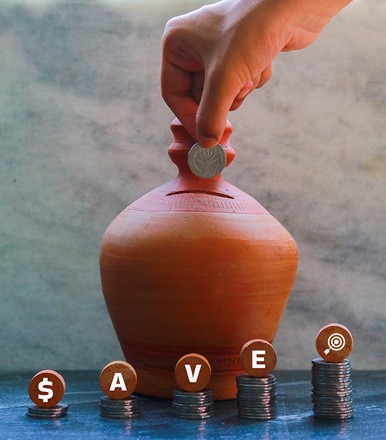
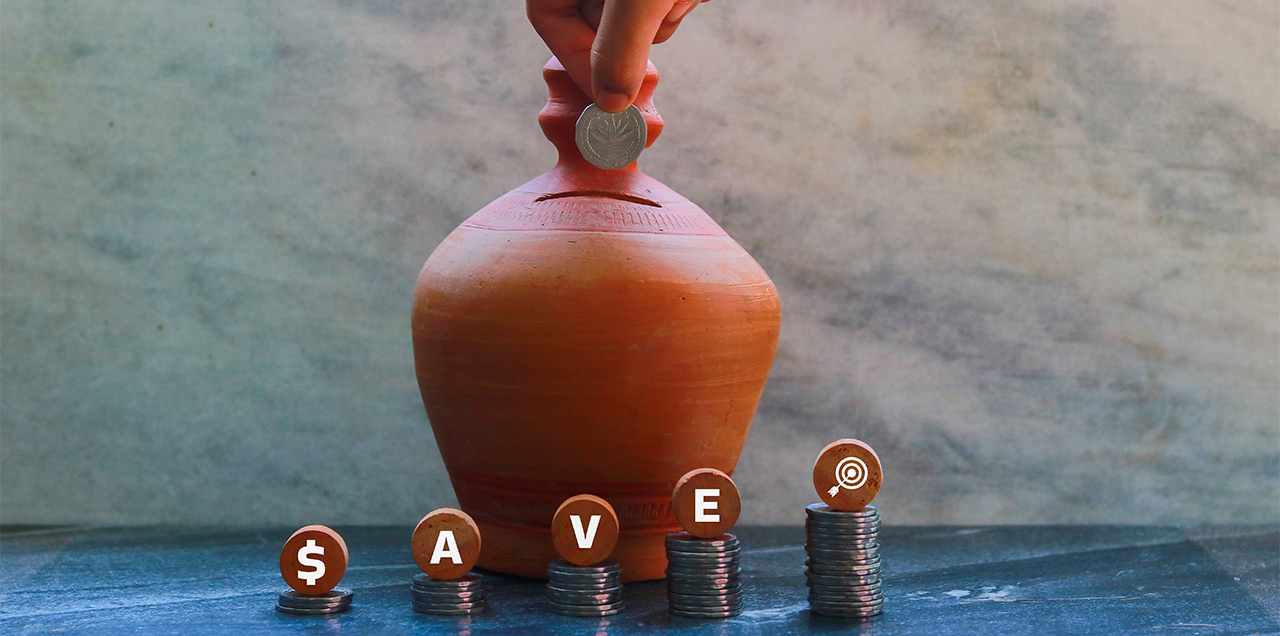
Before UPI notifications and budgeting apps, there was the humble gullak.
A small clay piggy bank is sitting quietly on a shelf. It wasn't fancy, didn't offer analytics, and certainly didn't track trends, but it quietly built discipline and savings nonetheless.
When we were sent to buy groceries and returned with two or three rupees as change, it didn't disappear into random spending. It went into the gullak. That soft metallic clink was satisfying. It meant progress.
We didn't realise it then, but we were being trained in delayed gratification.
A gullak wasn't something you could open on impulse; it demanded patience. You had to wait, to keep filling it coin by coin, resisting the temptation to break it too soon. And when it finally cracked open, often just before a festival or a long-awaited school trip, the reward felt deeply earned. That quiet satisfaction of discipline culminating in joy is financial fitness in its purest, most honest form.
Saving Wasn't Scarcity. It Was Strategy.
It's easy to look back and say, "They didn't have many options to spend."
But that's not entirely true. They had their own desires, aspirations and temptations too. The difference was prioritisation.
Saving wasn't driven by fear of life; it came from a deep respect for uncertainty. Having witnessed instability, economic shifts, and the weight of family responsibilities, there was a quiet understanding that money wasn't meant only for consumption, it was also a cushion against life's unpredictability.
When they bought gold, they weren't thinking about market peaks or price charts. They were thinking:
"If something happens tomorrow, my family should not struggle."
That's generational thinking.
Wealth That Was Worn, Then Passed On
There's something deeply powerful about intergenerational assets.
The necklace worn by Nani at her wedding becomes the same necklace worn by her granddaughter decades later. But along with it comes invisible inheritance: foresight.
That gold often funded higher education, supported business ventures, or acted as backup during tough times. It quietly converted sentiment into security.
In a world that celebrates visible success, our ancestors built invisible safety nets. And that is a lesson worth revisiting.
The Modern Dilemma: Spend or Save?
Our generation lives in abundance and comparison.
We are constantly exposed to lifestyles that push us to upgrade. Experiences are marketed as necessities, convenience is addictive, and credit is easily available.
Saving sometimes feels like missing out. But financial fitness isn't about extreme frugality. It's about balance.
We don't need to replicate the past exactly. We don't need to store only gold in lockers. Today, we have mutual funds, index funds, digital gold, PPFs, and systematic investment plans.
What we need to replicate is the mindset. To save with intention, invest with foresight, and spend with awareness. If we can blend their quiet discipline with the vast financial access and opportunities available to us today, the result is not just wealth, but wisdom-driven wealth, and now, that is powerful.
From Pitara to Portfolio
"Nani ka Pitara" was never just a box of jewellery.
It was a silent portfolio. It represented asset-building without ego. Security without noise. Planning without applause.
Financial fitness today can look different. It can be diversified, and it can be digital. It can include equities, emergency funds and retirement planning spreadsheets.
But its foundation remains the same:
- Consistency over impulse
- Security over show
- Legacy over likes
Maybe the lesson isn't that we should stop spending. Maybe it's that every time we spend, we should ask:
"Am I also building?"
Because somewhere in a quiet room decades ago, a woman chose to buy one small gold coin instead of something fleeting. And that choice built futures.
If we can bring back even a fraction of that intentionality, whether through a monthly SIP, a disciplined savings plan, or simply putting those extra rupees aside, we could honour that legacy.
Financial fitness isn't new. It has always been there, wrapped in a muslin cloth, hidden in steel cupboards and waiting for us to understand its true value.
Check out Hello Fitness Magazine. There is never a wrong time to go on a fitness quest. Contact us and allow us to assist you in leading a better lifestyle. Follow us on Instagram. We share the best Health & Fitness related Articles for information based on healthy eating, health and fitness recommendations, health problems and their solutions, human body fitness, and much more.