


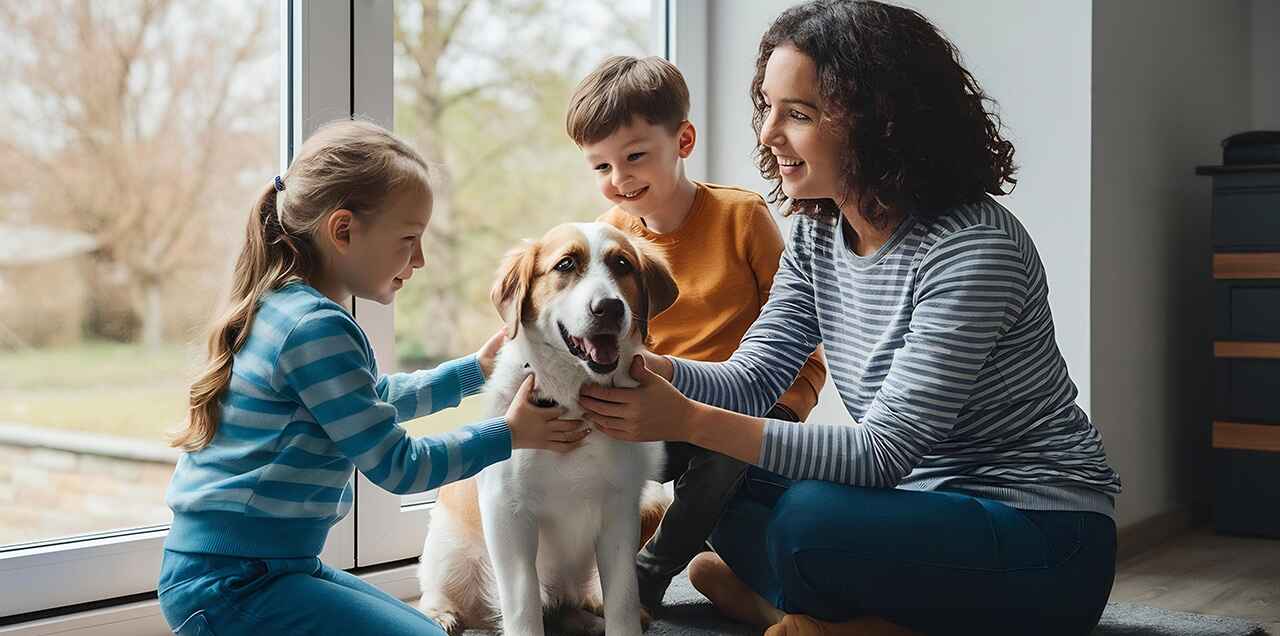
Have you been thinking about bringing a pet home? If so, it's worth asking yourself what's really driving that decision. For many people, the answer is simple: emotion. Maybe you saw a friend walking happily with their dog, or a heartwarming video online that made the idea feel irresistible.
The thought of a loyal, furry companion can be powerful. But moments like these often lead to decisions made with the heart rather than the head. Bringing a pet home can feel like a spontaneous choice, yet it quietly shapes your life for years to come, especially financially.
Before taking that step, it's important to pause and think about the long-term responsibilities involved. This article is a good place to begin that reflection.
A Dog Is a Financial Commitment
The first thing that you need to understand is that bringing a dog home is not a one-time expense. It is a long-term financial commitment that unfolds over years.
If you're going to adopt a dog from a shelter, then it's well and good. Otherwise, the costs begin early with adoption fees, and keep growing with other essentials like vaccinations, spaying or neutering, and regular basic supplies.
Then come the predictable monthly needs such as food, grooming, and parasite prevention. Along the way, there are also irregular but unavoidable expenses, such as illness, injuries, or dental treatment. None of this is about luxury spending. It is about stability.
Suddenly, the idea of getting a furry buddy may feel a little less carefree. But that is not the point. The goal here is not to discourage you from bringing a dog into your life. It is to make the journey smoother and more responsible for both of you.
When you understand where your money actually matters, raising a dog becomes far less overwhelming. Thoughtful spending is not about buying the most expensive products or services. It is about prioritising the things that truly affect your dog's health, behaviour, and overall well-being.
When Dogs Become Trends Instead of Commitment
One of the biggest mistakes a pet parent can make is treating their dog like an accessory that needs to keep up with trends. Social media aesthetics, viral toys, fashionable gear, and breed trends can slowly begin to shape how money is spent. None of these is harmful on its own, but they often distract from what truly matters.
Spending starts leaning toward what looks good rather than what keeps a dog healthy and balanced. Stylish purchases feel rewarding in the moment, while practical investments like nutrition, training, and preventive healthcare receive less attention.
Over time, priorities quietly shift. And that is where thoughtful, financially smart pet parenting becomes essential.
Five Financial Decisions That Shape a Dog's Life
The first thing that you need to understand is that not every expense you make for your dog carries the same weight. Some choices quietly shape their health, behaviour, and quality of life over the years.
Focusing on these essential areas can make pet parenting both financially manageable and truly responsible.
1. Food: Cheap Today, Expensive Tomorrow
Food is easily one of the biggest recurring expenses when you have a dog. Because of that, many pet parents try to save money here, assuming food is just food and any option will do the job.
But this is often where problems begin. Nutrition plays a much larger role in a dog's overall health than most people realise. Consistently feeding low-quality food can lead to issues such as:
- Weight gain and obesity
- Skin allergies and constant itching
- Digestive problems like vomiting or loose stools
- Dull coat and low energy levels
Over time, these health issues can mean more vet visits and higher costs. Choosing better-quality food may seem expensive upfront, but it often supports a healthier, more stable life for your dog.
2. Training Expense
Training is another area where many pet parents hesitate to spend. At first glance, paying for training classes or a professional trainer can feel unnecessary, especially when your dog is still small and manageable. But early training is less about obedience tricks and more about building structure and communication.
When dogs don't receive proper guidance early on, small behavioural quirks can grow into bigger problems, such as:
- Destructive chewing around the house
- Separation anxiety when left alone
- Aggressive or reactive behaviour
- Damage to furniture, shoes, and other belongings
Investing in training early often prevents these issues from developing. In the long run, it saves both stress and money while helping your dog grow into a calmer, more confident companion.
3. Preventive Healthcare
Looking after a dog's health works much like caring for a human child. Parents don't wait for their child to fall seriously ill before visiting a doctor. Regular checkups and vaccinations are meant to prevent problems before they start. The same logic applies to dogs, even though it is often overlooked because a pet may appear perfectly healthy on the surface.
Skipping vaccinations or parasite prevention does not just put your dog at risk. It can also expose other animals and even people around them to avoidable diseases. What begins as a small oversight can quickly become a larger community concern.
Preventive care is predictable, manageable, and planned. Emergencies, on the other hand, are sudden, stressful, and often expensive. That is why staying consistent with vaccinations and routine vet visits is almost always the wiser choice.
4. Exercise and Enrichment
One of the most valuable things you can give your dog costs very little: your time and attention. Regular walks, playtime, and simple mental stimulation can make a huge difference in how a dog behaves at home.
When dogs don't get enough physical activity or mental engagement, boredom often turns into frustration. That frustration can manifest as constant barking, chewing furniture, digging, or other destructive behaviours.
What many owners see as "bad behaviour" is often just excess energy with nowhere to go. A consistent routine of walks, play, and small enrichment activities keeps dogs balanced, calmer, and far less likely to develop problems that later require professional behavioural help.
5. Emergency planning
No one likes to think about emergencies, especially when their dog seems healthy. But accidents and sudden illnesses can happen without warning, and treatment can quickly become expensive.
Having a plan in place makes these moments easier to handle. Some pet parents rely on insurance, while others keep a small emergency fund for their dog. The approach may differ, but the idea remains the same: being prepared so you can focus on helping your dog instead of worrying about money when a crisis occurs.
Stability Makes a Happier Dog
In many ways, a dog reflects the stability of the person caring for it. When finances feel uncertain, care can become inconsistent. A little planning, however, brings structure and reliability to a dog's life.
Thoughtful spending on nutrition, training, and healthcare creates a routine a dog can depend on. When priorities stay focused on what truly supports their well-being, raising a dog becomes smoother, more fulfilling, and far more joyful for both of you.
Check out Hello Fitness Magazine. There is never a wrong time to go on a fitness quest. Contact us and allow us to assist you in leading a better lifestyle. Follow us on Instagram. We share the best Health & Fitness related Articles for information based on healthy eating, health and fitness recommendations, health problems and their solutions, human body fitness, and much more.