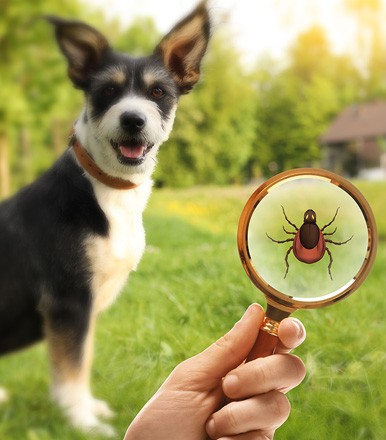



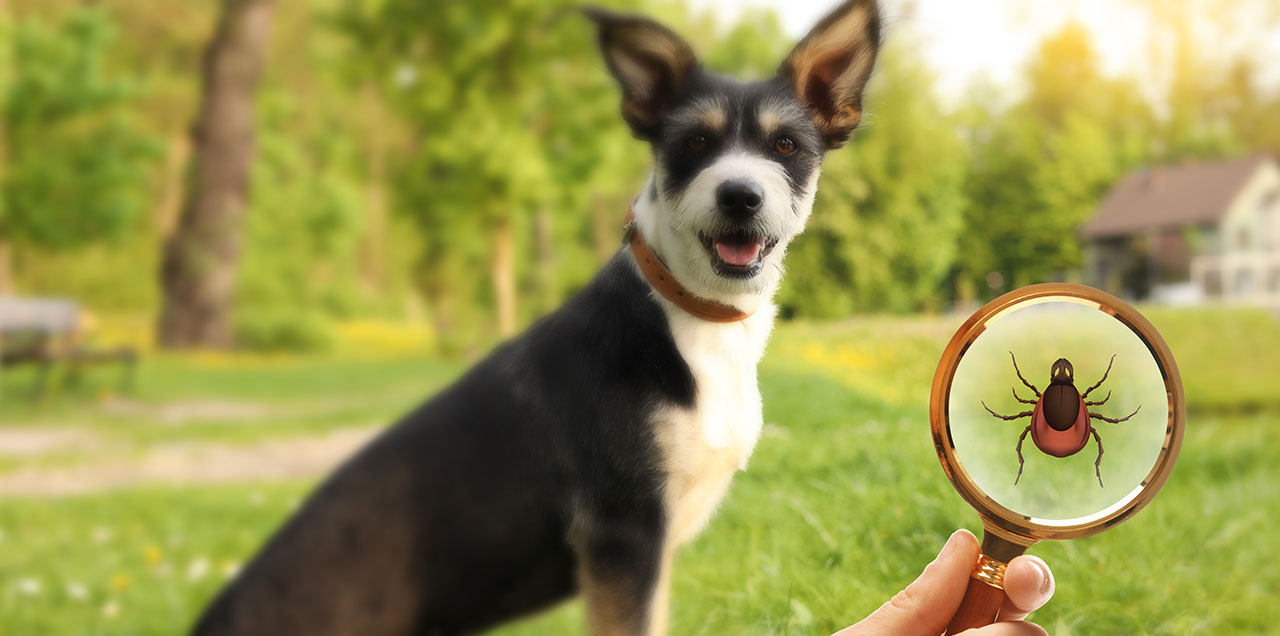
Who doesn't enjoy a calming evening walk with their furry companion, especially during summer, when the heat finally begins to settle down?
Just like your furry buddy, there's another tiny creature just as excited about that walk. Barely visible to the human eye, it waits patiently in the grass with its tiny arms stretched out in excitement.
That creature is the Brown Dog Tick, and trust us, it may be even more excited to see your dog than you are.
If you've been a dog parent long enough, you already know about the attachment issues these tiny parasites seem to have. They latch on quickly, settle in comfortably, and refuse to leave without creating chaos.
Honestly, it's the definition of a toxic relationship, except your furry friend is the one paying the price. While the tick feeds, breeds, and multiplies, your dog is left dealing with the itching, irritation, and potential health complications that follow.
But thankfully, it doesn't have to be that way this summer. At Hello Fitness, we believe every member of the family deserves equal attention to health and wellbeing, including the four-legged ones.
As the warmer, more humid months begin to settle in, we decided to put together a practical guide to help dog parents better understand ticks, spot early signs, and keep their pets protected without turning every walk into a panic-filled mission.
What Ticks Are and Why They're Dangerous?
Sun Tzu, a famous Chinese philosopher, once said: Know your enemy. Hence, that is where we will begin, knowing who ticks really are.
Ticks are not insects, but arachnids, which means they are more closely related to spiders than mosquitoes or ants. And in India, the most common culprit behind those endless scratching sessions is the Brown Dog Tick.
These tiny parasites thrive in warm, humid weather, which explains why summers and monsoons feel like vacation season for them. Unlike fleas, ticks don't jump or fly. They dig their trenches and wait patiently in tall grass, bushes, kennels, or damp corners, stretching out their tiny legs until your unsuspecting dog brushes past.
Once onboard, they crawl around looking for the perfect spot, usually around the ears, neck, paws, or belly, before latching onto the skin and feeding on blood.
And that's where the real problem begins. Beyond the itching and irritation, ticks can transmit dangerous infections like tick fever, cause anaemia through blood loss, and leave dogs weak, lethargic, and seriously unwell if ignored for too long.
What Pet Parents Should Do?
The obvious question now is, how do you prepare against an enemy you can barely see with the naked eye? You simply can't; they're very sneaky and will certainly find their way.
So, once you spot a tick, what next? Do you panic, shave your dog completely, cancel all walks forever, or prepare for war? Thankfully, none of that is necessary. What matters most is consistency and catching the problem early.
Start With Regular Checks
Ticks are sneaky little creatures. Before feeding, some of them are barely the size of a sesame seed, which means they can hide surprisingly well under thick fur. Make it a habit to check your dog every day, especially after walks, visits to the park, or play sessions outdoors.
Focus on areas where ticks love hiding, like the ears, neck, under the legs, between the toes, around the groin, and under the collar. Sometimes your fingers will spot them before your eyes do, so don't just look, feel through the coat properly.
Remove Them Safely
If you find a tick, resist the temptation to yank it out dramatically with your fingers like you're defusing a bomb in an action movie. Improper removal can leave the mouthparts stuck inside the skin and increase the risk of infection. Instead, use tweezers or a proper tick-removal tool, grip the tick as close to the skin as possible, and pull steadily without twisting.
Choose The Right Treatment
Today, there are several treatment options available, including spot-on applications, medicated shampoos, sprays, collars, and oral chewables. But there's no universal "best" option.
The right treatment usually depends on your dog's age, skin sensitivity, lifestyle, and the severity of the infestation. That's why a vet's guidance matters, especially if the problem keeps returning despite your efforts.
Prevention Is Easier Than Treatment
We know ticks sound tiring, and some of you must have already experienced it firsthand. But it doesn't have to be that way every year. In fact, ticks are preventable far more often than people realise.
Small habits like washing your dog's bedding regularly in hot water, vacuuming carpets and corners, trimming overgrown grass, avoiding dense bushes during walks, and properly checking your dog after outdoor play can dramatically reduce the risk of an infestation.
Grooming sessions also stop becoming "just grooming" once you realise they double up as daily tick inspections. And while tick treatments, shampoos, sprays, collars, and chewables all help, consistency matters far more than occasional panic-driven action after spotting one tick.
Most serious infestations happen not because pet parents are careless, but because the early signs are easy to miss. So no, finding a tick on your dog is not the end of the world. It might be unpleasant, irritating, and, admittedly, enough to ruin your evening mood. Still, it is manageable with the right care and awareness.
Always remember: with great paws comes great responsibility.
Check out Hello Fitness Magazine. There is never a wrong time to go on a fitness quest. Contact us and allow us to assist you in leading a better lifestyle. Follow us on Instagram. We share the best Health & Fitness related Articles for information based on healthy eating, health and fitness recommendations, health problems and their solutions, human body fitness, and much more.