


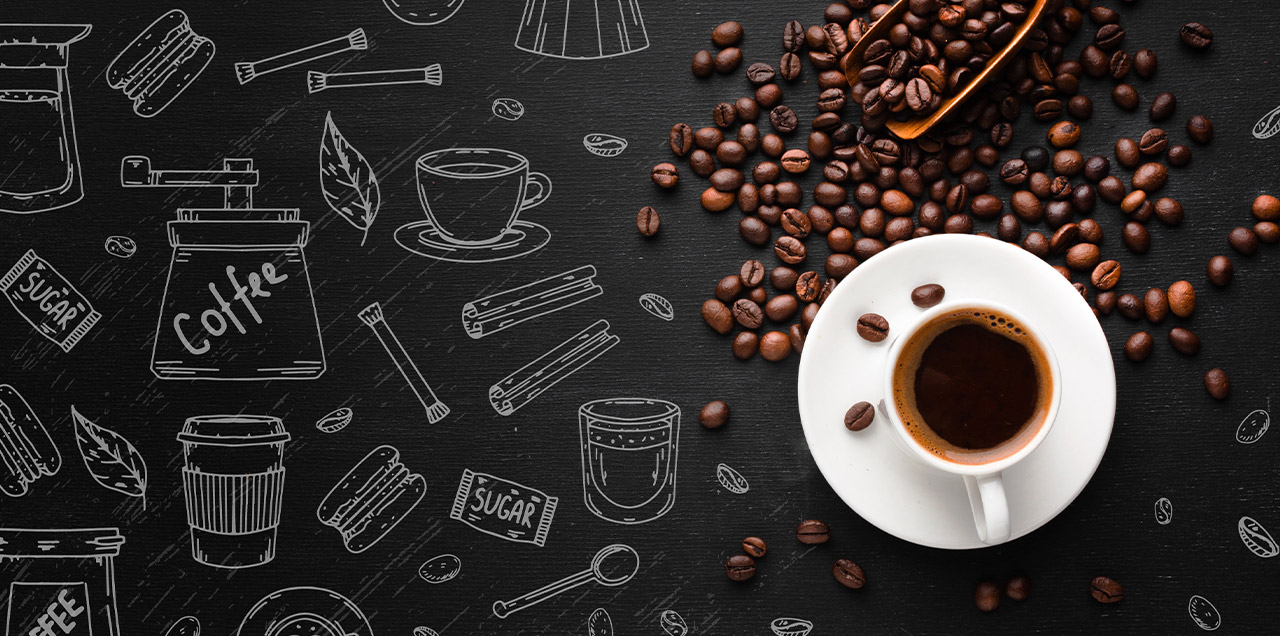
For many of us, coffee is more than just a beverage; it's a ritual, a source of comfort, and an energy booster that keeps us going throughout the day. Around the world, millions start their mornings with a steaming cup of coffee, often without realizing just how fascinating this drink is. While you may think you know everything about your daily brew, coffee hides some surprising facts and quirky history that might make you appreciate your cup even more.
In this article, we’ll uncover seven surprising things you did not know about coffee from historical bans to strange origins and even how coffee impacts your fitness routine. Let’s dive in!
7 Surprising Things About Coffee
1. Coffee Was Once Banned
It might sound unbelievable, but coffee wasn’t always welcomed with open arms. In fact, throughout history, coffee has faced multiple bans in different parts of the world.
16th Century Mecca: Coffee was prohibited because authorities believed it encouraged radical thinking and gatherings in coffeehouses, which were seen as dangerous.
17th Century Europe: Some leaders called it the “bitter invention of Satan.” However, Pope Clement VIII tasted it and declared it delicious, which helped reverse the ban.
Ottoman Empire: Coffee drinkers risked severe punishment, even execution, under some rulers who feared coffeehouses as hubs of dissent.
Imagine life without coffee just because leaders feared it sparked too much conversation or creativity! Today, it’s one of the most widely consumed drinks across the globe, proving just how far it has come.
2. Coffee Beans Aren’t Beans
Despite being called “coffee beans,” they aren’t beans at all. They are the seeds of a fruit known as the coffee cherry. These cherries grow on coffee plants, usually found in tropical regions known as the “coffee belt.”
When ripe, the fruit turns red or yellow, and the seeds are extracted, fermented, dried, and roasted to give us the coffee we drink. So, the next time you sip your latte, remember—it’s technically brewed from seeds, not beans.
This fact makes coffee even more unique. The taste profile of coffee depends on the type of coffee cherry, the altitude it’s grown at, the climate, and the roasting process. That’s why no two cups of coffee ever taste the same.
3. Your Morning Cup Has More Antioxidants Than Fruits
One of the most surprising health facts about coffee is its rich antioxidant content. Antioxidants are compounds that protect our cells from damage caused by free radicals, and coffee happens to be one of the most significant sources of antioxidants in the modern diet.
Studies have shown that coffee contains more antioxidants than many fruits and vegetables, including:
Blueberries
Oranges
Grapes
For many people, especially in Western countries, coffee is the single most significant source of antioxidants. While this doesn’t mean you should skip your fruits and veggies, it does mean that your cup of coffee is giving your body a powerful health boost, as well as providing energy.
4. Decaf Doesn’t Mean 100% Caffeine-Free
Many people think decaf coffee means “no caffeine at all.” But here’s the truth: decaf still contains a small amount of caffeine.
A regular 8-ounce cup of coffee has about 95 mg of caffeine.
A decaf version usually contains anywhere from 2 to 12 mg of caffeine.
That means if you’re sensitive to caffeine or drink several cups of decaf, you may still feel its effects. Decaf is made by removing most of the caffeine through methods such as water processing, carbon dioxide, or solvents, but it’s nearly impossible to remove it all.
So, the next time you reach for a decaf, thinking it’s caffeine-free, remember that a tiny dose is still in there.
5. Coffee Boosts Workout Performance
Coffee isn’t just good for waking you up it can also help you crush your workout. Thanks to caffeine, coffee works as a natural performance enhancer.
Here’s how it helps:
Increases endurance: Caffeine reduces the perception of effort, allowing you to push harder during cardio or strength training.
Boosts fat burning: It increases adrenaline and mobilizes fatty acids from fat tissues, helping your body use fat as energy.
Improves focus: Coffee sharpens mental alertness, which is crucial for staying consistent and motivated during exercise.
That’s why many athletes and fitness enthusiasts enjoy a cup of black coffee about 30–60 minutes before training. Just be sure not to overdo it, as too much caffeine can cause jitters or dehydration.
6. There’s a Coffee That Comes From Animal Digestion
This is one of the strangest coffee facts out there. Some of the world’s most expensive coffees are produced with the help of animals.
The most famous example is Kopi Luwak, also known as civet coffee. In this process, civet cats eat coffee cherries, and the beans pass through their digestive system. The enzymes in the civet’s stomach are said to improve the flavor by breaking down proteins that cause bitterness.
Afterward, the beans are collected from the animal’s droppings, cleaned, roasted, and brewed into coffee. The result? A smooth, less acidic, and rare cup of coffee that can cost hundreds of dollars per pound.
Other animal-digested coffees include elephant dung coffee, which is similarly produced in Thailand. While the idea may seem unappealing, these coffees are considered luxury items and are highly sought after by adventurous coffee lovers.
7. Coffee Grounds Can Be Recycled in Amazing Ways
Don’t throw away your used coffee grounds just yet they have multiple surprising uses beyond making your morning cup. Coffee grounds can be recycled and repurposed in eco-friendly ways, such as:
Natural fertilizer: Coffee grounds add nitrogen and other nutrients to soil, making them great for gardening.
Exfoliating scrub: The coarse texture makes them perfect for DIY skincare scrubs that remove dead skin.
Odor neutralizer: Placing dried coffee grounds in your fridge or shoes can absorb unpleasant odors.
Cleaning agent: Their abrasiveness helps scrub pots and pans without harsh chemicals.
Some companies even recycle coffee grounds into biofuel, furniture, and even clothing fibers, showing just how versatile coffee is.
Also Checkout - Is Black Coffee The Secret To A Faster Metabolism?
Conclusion
Coffee is more than just a daily pick-me-up it’s a drink with a fascinating history, unique characteristics, and surprising health benefits. From once being banned to being one of the world’s most significant sources of antioxidants, coffee continues to play an important role in cultures and lifestyles around the globe.
Next time you sip your espresso or cold brew, remember the quirky facts you’ve learned: that coffee isn’t a bean, decaf still has caffeine, and yes, some of the most expensive brews pass through animals first. And if you’re into fitness, consider coffee your natural pre-workout partner.
Check out Hello Fitness Magazine. There is never a wrong time to go on a fitness quest. Contact us and allow us to assist you in leading a better lifestyle. Follow us on Instagram. We share the best Health & Fitness related Articles for information based on healthy eating, health and fitness recommendations, health problems and their solutions, human body fitness, and much more.