



In today’s fast-paced lifestyle, stress has almost become a constant companion. Whether it’s work deadlines, financial pressure, or personal responsibilities, stress can creep into our daily lives without us even realizing it. While a bit of stress can sometimes act as motivation, chronic stress has serious consequences for physical health. From headaches to heart disease, the effects of stress extend far beyond mental well-being.
At Hello Fitness Magazine, we aim to help readers understand how stress affects the body and, most importantly, how to manage it effectively.
What Happens in Your Body When You’re Stressed?
When you feel stressed, your body activates its “fight or flight” response. The brain signals the release of stress hormones like cortisol and adrenaline, which increase heart rate, sharpen focus, and prepare the body to deal with perceived danger.
While this reaction can be helpful in short bursts, prolonged stress keeps the body in a constant state of alert, which disrupts balance and strains various systems, leading to physical health issues.
Direct Impacts of Stress on Physical Health
1. Heart & Blood Pressure
Stress increases your heart rate and blood pressure. Over Time, this can lead to hypertension, irregular heart rhythms, and a higher risk of heart attack or stroke. Studies have shown that chronic stress is one of the leading contributors to cardiovascular problems.
2. Immune System Weakening
Prolonged stress suppresses the immune system, making the body more vulnerable to infections. People experiencing high stress often catch colds, flu, or other illnesses more frequently because their immune system is compromised.
3. Muscle Tension & Pain
When you are stressed, your muscles automatically tighten, especially around the neck, shoulders, and back. This can cause chronic pain, headaches, and even migraines. Stress-related tension is one of the most common reasons people experience stiffness and body aches.
4. Digestive Issues
Stress interferes with digestion by altering how the stomach and intestines function. This can lead to problems such as indigestion, bloating, acid reflux, or even irritable bowel syndrome (IBS). Some people may experience nausea or a change in appetite during stressful periods.
5. Sleep Disruption
High stress levels interfere with the body’s natural sleep cycle. You may find it hard to fall asleep or stay asleep, leading to insomnia or restless nights. Poor sleep then worsens stress, creating a vicious cycle.
6. Weight Fluctuations
Cortisol, the primary stress hormone, affects metabolism and appetite. For some, stress leads to overeating (“stress eating”), while others may lose their appetite altogether. Over Time, this results in unhealthy weight gain or weight loss, both of which can harm overall health.
7. Skin & Hair Problems
Stress hormones can trigger acne, eczema flare-ups, or excessive sweating. Additionally, chronic stress has been linked to hair thinning, hair loss, and premature graying, as the body redirects energy away from non-essential functions like hair growth.
Long-Term Health Risks of Chronic Stress
If left unmanaged, chronic stress doesn’t just cause temporary discomfort it leads to long-term health complications, including:
Cardiovascular diseases (heart attack, stroke, high blood pressure)
Diabetes due to hormone imbalances and weight fluctuations
Weakened immunity, leading to frequent infections
Chronic pain disorders, including tension headaches and migraines
Gastrointestinal conditions like ulcers and IBS
Mental health issues such as anxiety, depression, and burnout
This makes stress management not just a lifestyle choice but a health necessity.
How to Manage Stress for Better Physical Health
The good news is that stress can be managed with healthy lifestyle choices. Here are effective ways to protect your body:
Exercise Regularly – Physical activity lowers stress hormones and improves mood by releasing endorphins. Even a brisk walk can make a difference.
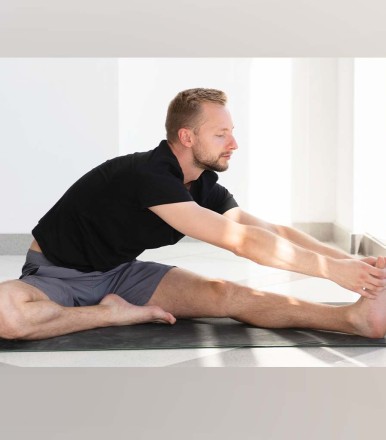
Practice Mindfulness & Meditation – Deep breathing, yoga, or meditation helps calm the mind and relax the body.
Sleep Well – Aim for 7–8 hours of quality sleep. Create a bedtime routine and limit screen time before bed.
Eat a Balanced Diet – Nutritious foods boost energy levels and strengthen the immune system, helping the body cope with stress better.
Stay Connected – Talking to friends, family, or a counselor can provide emotional support and reduce feelings of isolation.
Manage Time Effectively – Prioritizing tasks and avoiding procrastination helps reduce unnecessary stress.
Limit Caffeine & Alcohol – Both can heighten stress symptoms and disrupt sleep. Opt for water, herbal teas, or natural juices instead.
Also Checkout - 7 Stress Relief Activities You Can Do in 5 Minutes
Conclusion
Stress may be an unavoidable part of modern life, but its impact on physical health is too significant to ignore. From heart health to sleep and immunity, chronic stress can quietly damage the body over time. The good news is that by adopting consistent but straightforward stress management practices, you can protect your physical health and improve overall well-being.
Check out Hello Fitness Magazine. There is never a wrong time to go on a fitness quest. Contact us and allow us to assist you in leading a better lifestyle. Follow us on Instagram. We share the best Health & Fitness related Articles for information based on healthy eating, health and fitness recommendations, health problems and their solutions, human body fitness, and much more.