


You don’t need a gym membership or expensive equipment to understand your fitness level. With the right approach, you can assess your physical fitness from the comfort of your home. These self-tests can help you measure your strength, endurance, flexibility, and balance giving you a clear picture of where you stand and what you need to work on.
At Hello Fitness Magazine, tracking your fitness progress is essential for setting realistic goals and staying motivated. In this guide, you’ll learn eight simple, effective ways to test your physical fitness at home and how to interpret your results.
Safety First Before Testing
Before you start any fitness assessment, it’s essential to prioritize safety.
Warm up for at least 5–10 minutes to prepare your muscles and joints.
If you have any medical conditions or have been inactive for a long time, consult your doctor first.
Perform each test in a safe, open space where you won’t trip or fall.
Listen to your body stop immediately if you feel dizzy, lightheaded, or in pain.
Remember, the goal is to assess your current abilities, not to push yourself to exhaustion.
The 8 At-Home Fitness Tests
1. Resting Heart Rate Test
Purpose: Measures basic cardiovascular health and efficiency.
How to do it:
Sit quietly for 5 minutes.
Use a fitness tracker or manually check your pulse on your wrist or neck.
Count the beats for 60 seconds.
Healthy range:
Adults: 60–100 beats per minute (BPM)
Well-trained athletes: 40–60 BPM
A lower resting heart rate generally indicates a more efficient heart and better cardiovascular fitness.
2. Step Test (Cardio Endurance)
Purpose: Evaluates how well your heart recovers after exercise.
How to do it:
Use a sturdy step about 12 inches high.
Step up and down at a steady pace for 3 minutes.
Immediately after, sit down and measure your heart rate for 1 minute.
Interpretation:
The faster your heart rate returns to normal, the better your cardiovascular endurance.
3. Push-Up Test (Upper Body Strength)
Purpose: Measures muscular endurance in the chest, shoulders, and arms.
How to do it:
Get into a plank position with your hands shoulder-width apart.
Lower your body until your elbows form a 90-degree angle, then push back up.
Count how many push-ups you can do without stopping.
Average standards:
Men: 20–30 push-ups = good
Women: 15–20 push-ups = good
If needed, perform modified push-ups on your knees to build strength.
4. Plank Hold Test (Core Strength)
Purpose: Assesses the strength and endurance of your core muscles.
How to do it:
Get into a forearm plank position.
Keep your body in a straight line from head to heels.
Hold for as long as you can without dropping your hips.
Standards:
1–2 minutes = strong core
Under 30 seconds = needs improvement
A strong core supports better posture, stability, and injury prevention.
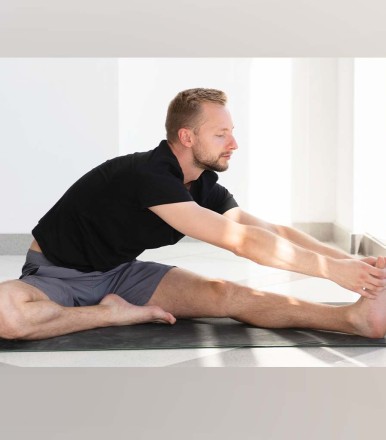
5. Sit-and-Reach Test (Flexibility)
Purpose: Measures lower back and hamstring flexibility.
How to do it:
Sit on the floor with your legs extended straight.
Place a ruler or measuring tape in front of your feet.
Reach forward as far as possible without bending your knees.
Interpretation:
The farther you can reach, the more flexible your hamstrings and lower back are. Good flexibility reduces injury risk and improves mobility.
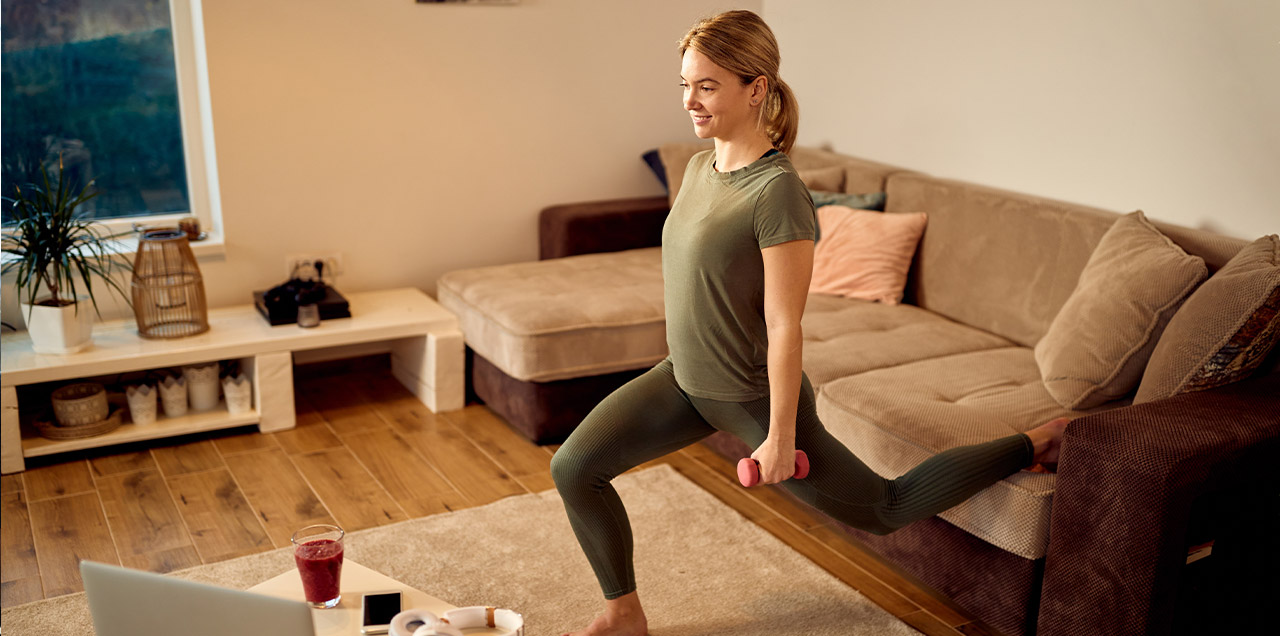
6. Squat Test (Lower Body Strength & Mobility)
Purpose: Evaluates strength, endurance, and mobility in the legs and hips.
How to do it:
Stand with feet shoulder-width apart.
Perform as many bodyweight squats as you can in 1 minute.
Keep your chest up and thighs parallel to the ground at the lowest point.
Average standards:
Men: 30–40 squats = good
Women: 25–35 squats = good
If you experience knee discomfort, reduce your range of motion.
7. Balance Test (Overall Stability)
Purpose: Measures balance and coordination.
How to do it:
Stand on one leg with your hands on your hips.
How long can you hold the position without touching the ground?
Repeat on the other leg.
Standards:
Over 30 seconds = excellent balance
Under 10 seconds = needs improvement
Balance is essential for daily movements and injury prevention, especially as you age.
8. Burpee Test (Full-Body Power & Endurance)
Purpose: Tests cardiovascular endurance, agility, and full-body strength.
How to do it:
Start standing, drop into a squat, place your hands on the ground, jump your feet back into a plank, return to squat position, and jump up.
Do as many burpees as you can in 1 minute.
Interpretation:
15–20 burpees = good fitness
Over 20 = excellent endurance
Burpees are challenging but provide a quick snapshot of your overall conditioning.
How to Record & Interpret Results
Keep a notebook or digital log to record your results for each test. Note the date, your repetitions or time, and any observations about how you felt during the test.
Compare your results with the average standards for your age and gender. If you are below average in certain areas, that means you have clear targets for improvement.
Tracking results over time allows you to see progress even when it feels slow. Minor improvements in endurance, strength, or flexibility are signs that your training is working.
Tips for Improving Weak Areas
For low cardio endurance: Include brisk walking, jogging, cycling, or skipping rope in your routine.
For upper body strength: Try push-ups, dumbbell presses, or resistance band exercises.
For core strength: Add planks, mountain climbers, and leg raises to your workouts.
For flexibility: Stretch daily, focusing on hamstrings, hip flexors, and lower back.
For balance: Practice yoga poses like the tree pose or simple single-leg stands.
Focus on one or two weak areas at a time to avoid feeling overwhelmed.
Make It a Monthly Habit
Testing your fitness once is useful, but repeating these tests every month is what creates long-term benefits. Monthly assessments allow you to:
Measure progress accurately
Stay motivated by seeing tangible results
Adjust your workouts to target weaknesses
Maintain accountability for your health goals
Mark the same day each month on your calendar for your fitness check-in and keep it as a non-negotiable appointment with yourself.
Also Checkout - 10 Effective Pre-Workout Warm-Ups to Get Ready at Home
Conclusion
Testing your physical fitness at home is simple, practical, and highly effective for staying on track with your health goals. By understanding your strengths and weaknesses, you can create a workout plan that truly works for you.
Check out Hello Fitness Magazine. There is never a wrong time to go on a fitness quest. Contact us and allow us to assist you in leading a better lifestyle. Follow us on Instagram. We share the best Health & Fitness related Articles for information based on healthy eating, health and fitness recommendations, health problems and their solutions, human body fitness, and much more.