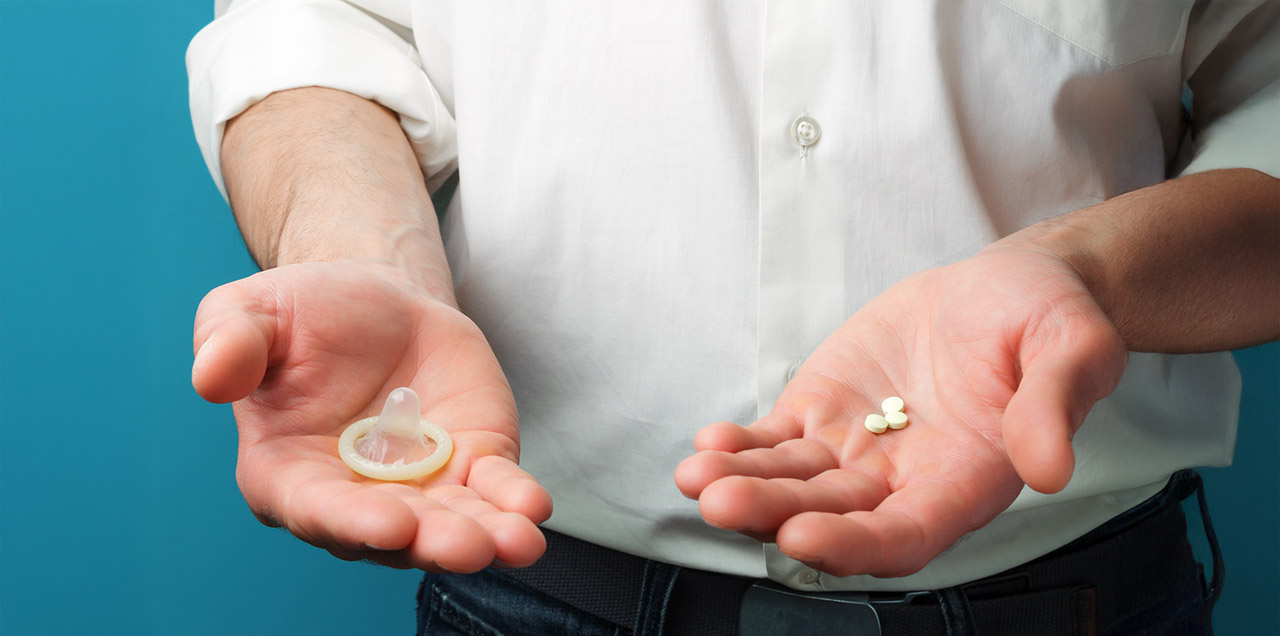
We live in a society where family is considered a shared responsibility between two people. A man and a woman traditionally form the core of a family, and both are equally responsible for reproduction.
However, when it comes to birth control and family planning, women have had to swallow the tough pill- literally. For decades, they have been expected to take charge of contraception through daily pills, hormone implants, IUDs, or even surgical procedures. In contrast, men have had limited options: condoms, which are prone to failure, or vasectomy, which is often irreversible.
But that dynamic may soon change. What if men could simply take a daily pill and share the responsibility for preventing pregnancy?
That possibility is no longer science fiction. After years of research and development, male oral contraceptives are now entering human clinical trials, showing promising results that could reshape the future of reproductive health and family planning.
Before these pills become widely accessible, there is a critical need for awareness and education. Society must understand the importance of this advancement and be prepared to support and adopt it.
This article explores what male oral contraceptives are, how they work, and why they represent a necessary step toward a more balanced and inclusive approach to contraception.
Why Do We Need More Male Contraceptive Options?
Whenever the conversation around male contraceptives or MCs happens, we realise that there are not many options to choose from. A man has to either wear a condom or get a vasectomy done.
Condoms, while effective when used correctly, have a real-world failure rate of about 13% per year. Vasectomies, though nearly 100% effective, are often considered permanent despite being technically reversible. This leaves a significant gap in male contraceptive options.
Studies have suggested that 78% of men want family planning to be a shared responsibility. However, due to a lack of effectiveness and options, the responsibility always falls on women. And this will continue to be the case until new male contraceptives (MCs) are developed.
When addressing this issue, we need to understand that this imbalance isn't just about fairness—it's about public health. Some women cannot use hormonal contraceptives due to medical conditions, side effects, or personal preferences.
Having reliable male options would provide couples with more choices and could significantly reduce the rates of unintended pregnancies worldwide. This is where oral male contraceptives change the worldview completely.
The Science Behind Male Oral Contraceptives
When talking about oral contraceptives, it becomes important to state it up front that male oral contraceptives work differently from female birth control pills.
But their goals remain the same: to deliver temporary, reversible prevention of pregnancy. To deliver the desired results, scientists have developed two main approaches, each with distinct advantages.
Hormonal Pills: Disrupting the Sperm Production Chain
On one hand, we have traditional hormonal male contraceptives. As the name suggests, these pills work by manipulating the same hormones that control sperm production.
Here's how it works in simple terms: there are two hormones, Follicle Stimulating Hormone (FSH) and Luteinizing Hormone (LH), produced in our brain that signal your testicles to produce sperm and testosterone. Hormonal male pills contain synthetic versions of testosterone combined with progestins (synthetic hormones like those in female birth control).
Therefore, when a person takes these pills, their brain gets the signal that their body has enough hormones circulating. Hence, it stops sending FSH and LH signals to your testicles. Without these signals, sperm production drops dramatically—by up to 99% in clinical trials.
But worry not, that will not impact your daily life. Since these pills suppress your body’s natural testosterone production, they include synthetic testosterone to maintain your sex drive, muscle mass, bone density, and other functions that depend on this hormone.
The Results: Clinical trials have shown hormonal pills can be 94-99% effective at preventing pregnancy, with most men achieving the target sperm suppression within 2-4 months. The effects are fully reversible, with normal sperm production returning within several months after stopping the pills.
The Drawbacks: Because these pills affect your hormone levels, they can cause side effects similar to those experienced by women on hormonal birth control: acne, weight gain, changes in libido, mood swings, and mild fatigue.
In rare cases, more serious side effects like blood clots or increased red blood cell production have been reported.
Non-Hormonal Pills: The Game-changer
To counter the drawbacks of the hormonal pills, a breakthrough happened when non-hormonal pills that target sperm production without affecting your hormones at all were sent for clinical trials.
Although there are several pills being tested on, around the globe, one candidate stands out among them all: YCT-529. "This is really the first time a non-hormonal contraceptive for men has entered clinical trials," says Gunda I. Georg, PhD, who is researching YCT-529 and serves as the director for the Institute for Therapeutics Discovery and Development at University of Minnesota.
How does it work?
A non-hormonal pill doesn't affect your hormones; rather, it targets a protein called Retinoic Acid Receptor Alpha (RAR-α), which is crucial for sperm development. This pill hinders the RAR-α, which impedes the development and maturation of sperm cells without affecting other physiological processes governed by vitamin A.
What's really great about this drug is that it only prevents the sperm from developing properly and is limited to your reproductive system. As a result, your testosterone levels, mood, libido, and other bodily functions remain completely normal.
What About Side Effects?
As of now, there are reportedly no side effects of the drug. However, this statement cannot be taken at its face value, as a very small trial was conducted for the YCT-529, where only 16 men were provided with the drug.
Common Concerns and Misconceptions
Before the drug fully rolls out in the market, there are a few concerns and at times misconceptions regarding men’s reproductive health that need to be addressed.
Effect on masculinity: one of the most common questions thrown around on the internet, whenever male oral contraceptives enter the conversation, is Will it affect my masculinity or performance? The simple answer to this would be a clear and concise No.
Non-hormonal pills for starters don't affect testosterone levels, libido, or sexual performance at all. Even hormonal pills are designed to maintain normal testosterone levels, though some men may experience minor changes in libido during the adjustment period.
Reversibility: Another major concern raised often by people is whether it is reversible. The answer to this would be: Yes, absolutely!
Both hormonal and non-hormonal approaches are designed to be fully reversible. Animal studies show a complete return to fertility within weeks to months after stopping the medication. This reversibility is a key requirement for any male contraceptive to gain approval.
Long-Term Effects: The researchers have worked hard to ensure there are no long-term effects of these pills. Even recent studies show no evidence of long-term negative effects, but comprehensive long-term data will come as these drugs progress through clinical trials and post-market surveillance.
Towards Gender-Equal Family Planning
The rise of male oral contraceptives signals a crucial step toward a more balanced future—one where contraception is not just a woman’s responsibility. As science evolves, so must society’s outlook. With reliable, reversible options like the male pill on the horizon, men can now take equal charge in birth control decisions.
This shift doesn’t just impact reproductive health; it redefines partnership, accountability, and equality. Moving forward, family planning has the potential to reflect the true essence of gender neutrality: shared decisions, shared responsibilities, and a healthier future for all.
Check out Hello Fitness Magazine. There is never a wrong time to go on a fitness quest. Contact us and allow us to assist you in leading a better lifestyle. Follow us on Instagram. We share the best Health & Fitness related Articles for information based on healthy eating, health and fitness recommendations, health problems and their solutions, human body fitness, and much more.