


The Café Conundrum: Are We Overspending and How Not To
A latte here, an iced matcha there, maybe a croissant or two. Before you know it, your monthly spending is gone shoo. Sadly, a significant portion went into just sitting at cafés. In the age of convenience and curated aesthetics, modern-day cafés have transformed from simple coffee-serving counters into lifestyle centres where we spend not just money, but time, identity, and emotional bandwidth.
Why are we doing this? More importantly, can we stop?
The High Price of Low Commitment
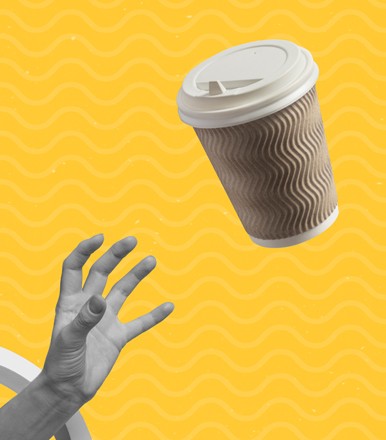
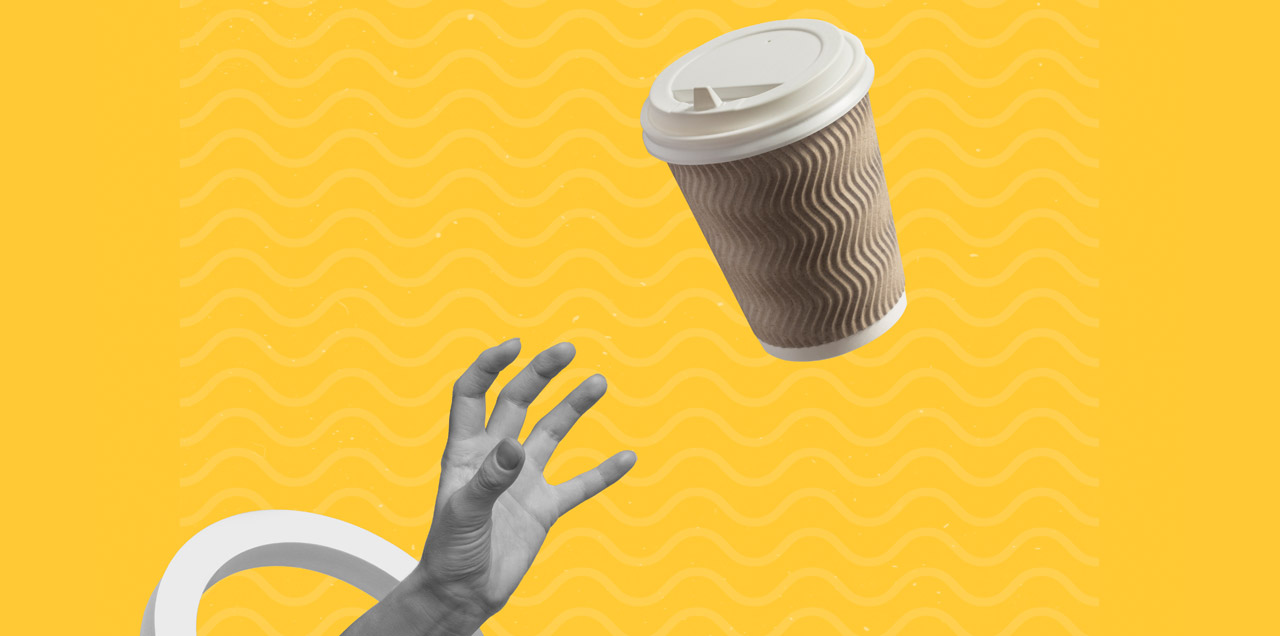
The average coffee costs 3x more in cafés than making it at home. I know that sounds so momyish, yet we need to pay attention. Add to that artisanal snacks, Wi-Fi, ambience, and suddenly, your “quick stop” becomes a ₹700 affair. It’s easy to criticise café pricing, though they have their justification, but it’s also worth asking: why do we pay these prices?
Cafés are expensive because they’re not just selling beverages. They're selling space, vibe, lighting, mood, status, and sometimes even identity. But you’re paying for curated playlists, faux-industrial interiors, and a seat at the table of modern lifestyle culture, are you really willing to? Or is it just a low commitment to your money? Let’s try to answer.
Why We Still Go: The Psychology of the Café Pull
Despite being aware of the cost, we keep going. Why?
Marketing Comfort: Cafés have mastered the art of appearing cozy, creative, and inclusive. They promise productivity, peace, and pleasure, all in one [overpriced] cappuccino. Before you validate the deliverable, you get your bill in the table.
Social Validation: Hanging out at “that café” subtly signals a certain lifestyle—one that's plugged in, polished, and aware. Instagram doesn’t love a home-brewed filter coffee as much as it loves latte art on a marble table. And who doesn’t care what Instagram likes?
Peer Pressure and the Need to Blend In: There’s unspoken pressure, especially among younger adults, to "belong" somewhere. Cafés offer neutral, safe grounds where you can exist without explanation. Or we can say, your existence there is the explanation.
Solo Comfort Zones: For many, cafés are escapes. They’re a refuge from loud homes, crowded hostels, or emotional noise. You’re alone, but not lonely. That emotional trade-off? Priceless— again, until the bill comes.
What’s at Stake: Personal Value and Money Management
The problem isn’t just the money. It’s what we trade it for. When you begin to associate wants: comfort, identity, and productivity exclusively with a commercial space, your ‘personal value system’ starts to depend on external environments, and that’s no longer in your control. You’re no longer paying for a coffee; you’re paying rent on your sense of self.
On a more practical note, the cumulative effect of café overspending dents budgets, delays savings, and often replaces real investments in well-being with quick fixes.
Fr instance, if a fresh graduate with little initial earnings wishes to save and invest, a small amount of 2000 in SIP every month, but the so-called peer pressure and temporary want for well-being, drive him/her to this social trap.
Eureka! A step toward a financially stable future was just traded for a ‘let’s hang out today’ eve.
Where Do We Go From Here?
It’s not about villainizing cafés. It’s about recalibrating our needs.
Try Building Café Comfort at Home: A warm lamp, a Spotify playlist, a clean table, and your favourite mug. As you already tasted the vibe, it’s hard not to crave it. Recreating the café energy might help avoid expense.
Designate Low-Cost Third Spaces: look around, Libraries, community parks, university cafés, or co-working hubs often offer the same comfort minus the markup.
Set Emotional Budgets, Not Just Financial Ones: I know it's better said than done, but ask yourself, “What do I really need right now?” Is it coffee—or is it calm? Is it ambience—or is it escape?
We Pay for Comfort Over Everything—But At What Cost?
Our generation, unlike earlier ones, prioritises mental space, calm, and curated experience—and that’s not a bad thing. But when comfort becomes commodified, we risk losing access to it unless we pay. The café, in this case, becomes a symbol of a broader issue: outsourcing peace from profit-driven spaces. When your peace helps someone make a profit, then it's time you watch over your pockets.
But what are we seeking peace from? Why does comfort matter so much to us when it’s hustle that will pay back? Well, I think we are going too spiritual here, let’s keep these questions for another Sanity article.
Look in today: A Shift in the Social Script
Cafés aren’t going away. If anything, they’re becoming more dominant—serving as workspaces, therapy spots, date venues, and sometimes just a place to breathe. But as they rise, so should our awareness. These spaces are good to spend some quality time with yourself or with friends & family, but only occasionally.
We need to teach ourselves, and the generation that follows, that the café can be a treat, not a default. That comfort doesn't have to come with a price tag. That mental well-being should not be tied to commercial aesthetics. And peace shouldn't be material.
Sanity, after all, shouldn’t cost ₹400 an hour.
Check out Hello Fitness Magazine. There is never a wrong time to go on a fitness quest. Contact us and allow us to assist you in leading a better lifestyle. Follow us on Instagram. We share the best Health & Fitness related Articles for information based on healthy eating, health and fitness recommendations, health problems and their solutions, human body fitness, and much more.