


Expert Insights with Architect Palak Choksi
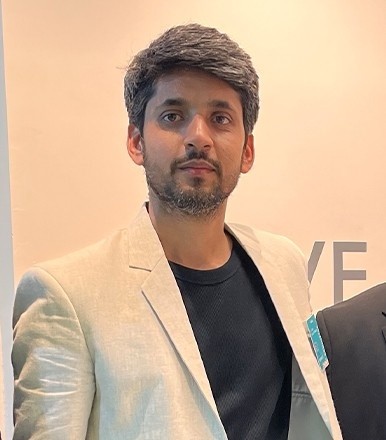
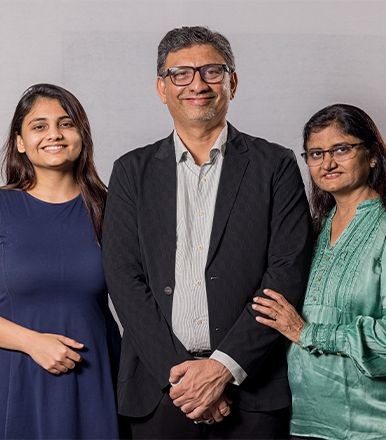
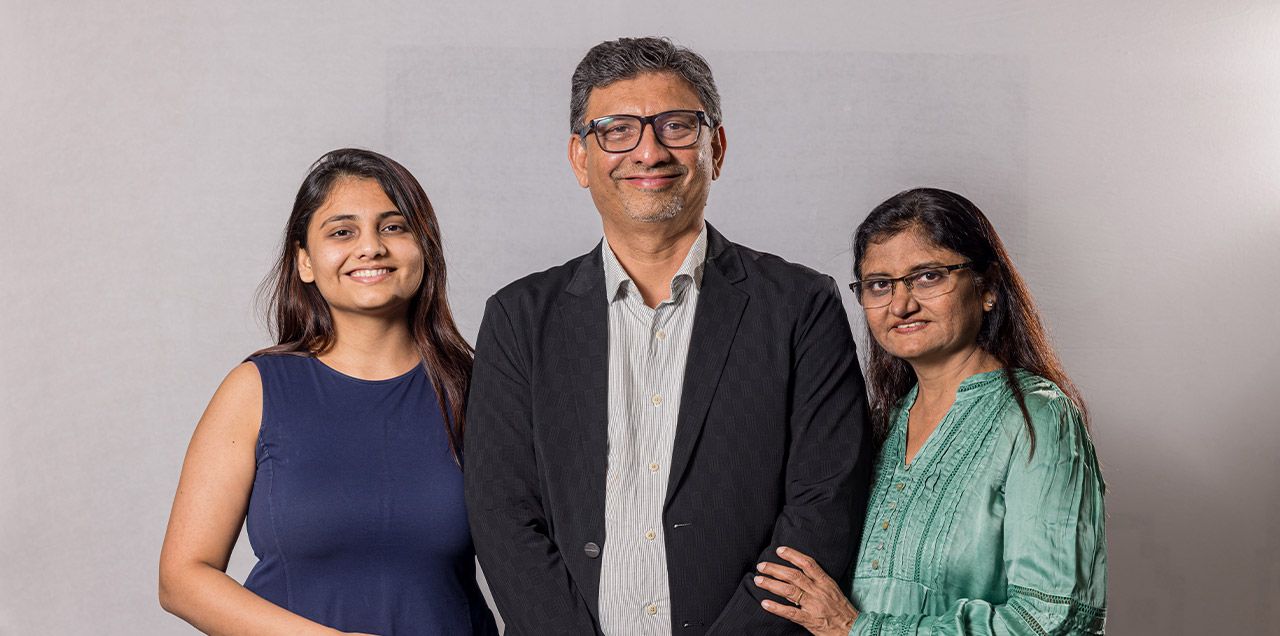
Palak Choksi is a leading architect, second gen owner and part of the core team at DesignCore Studio, a multidisciplinary architecture and interior design practice founded in 1991 by Manish and Urvi Choksi. With more than 2,000 projects completed across India and abroad, the firm has established itself as one of India’s most respected names in the field. While Manish Choksi leads as Principal Designer and Urvi Choksi manages finance and execution, Palak brings a forward-looking perspective by overseeing operations and innovation. Known for designing lifestyles rather than just spaces, the studio believes in crafting environments in close collaboration with clients.
Q. How has architecture evolved in the last decade, especially in India?
Over the past decade, architecture in India has shifted toward integrated, lifestyle-driven designs. Advances in technology, sustainability, and the affordability of high-quality materials have empowered architects to push boundaries. At DesignCore, we’ve embraced this change by staying adaptive and client-centered.
Q. Which global trends do you see shaping the future of architecture?
We anticipate a continued fusion of wellness-focused design, personalized aesthetics, and sustainable practice. Expect to see more biophilic layouts, modular yet elegant interiors, and a rise in locally inspired custom furnishings. Clients will value holistic spaces that reflect their personalities while supporting well-being.
Q. How have climate change and sustainability influenced modern design choices?
Sustainability has become a core part of design, not just a buzzword. There’s a growing awareness that buildings must adapt to rising heat, shifting monsoon patterns, and climate stress. In India especially, we’re seeing design shifts: natural ventilation strategies, smart shading devices, and rainwater systems are no longer optional—they’re expected. It’s exciting to see clients now truly value eco-consciousness, not just aesthetics.
Q. In your opinion, how can architecture balance tradition with contemporary needs?
For us, it's about weaving tradition into modern life with purpose, not nostalgia. Take the classic jaali screen; rather than just a decorative throwback, we reinterpret it as a contemporary sunshade or sculptural partition, offering dappled light and airflow in an open-plan living room. We’re not preserving tradition for its own sake—we’re making it function beautifully for today’s lifestyle.
Q. Do you believe traditional Indian design elements still have relevance in modern projects?
Absolutely, when they’re used meaningfully. Elements like jaali screens, courtyards, and verandahs are still incredibly useful in climates like ours. These features continue to serve practical purposes while maintaining cultural depth.
Q. For a common homeowner, what are the simplest ways to make a house eco-friendly?
Start small and impactful: switch to energy-saving lights and fans, install low-flow taps, and plant a tree or shade the outdoors. Position windows to catch breezes or use simple overhangs to block harsh sun. Even modest efforts help reduce bills and environmental impact. We’ve seen homeowners transform their homes and habits with just these basics.
Q. Is “green architecture” always more expensive, or can it be cost-effective?
Not always. Some green features may cost more upfront, but many pay for themselves over time. Efficient appliances, daylighting, and rainwater systems cut utility bills. With renewable energy costs dropping, payback periods are getting shorter. For many of our clients, the long-term value of green design outweighs the initial premium.
Q. What are some common mistakes people make when planning their dream home?
Many clients get ahead of themselves by designing interiors or picking finishes before considering orientation, climate, or context. Another common issue is underestimating storage or flexibility; these homes often feel charming at first but quickly become cramped or dated. It’s much smarter to think spatially first—it saves both emotions and money later.
Q. Can you suggest design tips that improve both aesthetics and practicality?
We always say, “Beauty should serve life.” Layered lighting brings warmth and function. Cross-ventilation keeps things cool without over-reliance on AC. Built-in storage maintains tidiness without compromising design. And selecting materials that are both beautiful and breathable ensures interiors that are healthy, long-lasting, and low-maintenance.
Q. What’s one forgotten architectural practice you wish people would bring back?
In crowded city homes where space is limited, I’d bring back vertical greenery—living walls and rooftop gardens. Even a simple balcony draped with plants or a green screen on the façade can lift the mood, naturally cool spaces, and refresh the air without the need for large lawns or courtyards.
Q. What should clients look for when hiring an architect?
Trust is just as important as talent when choosing an architect. Look for someone who listens attentively, clearly explains processes, timelines, and flexibility, and aligns with your personal style. A good architect provides transparency about budget, scope, and stages. Above all, make sure you genuinely enjoy working with them—because building a home is a long journey, not a quick sprint.
Q. What do you think the home of 2050 will look like?
I picture homes that are more adaptable, sustainable, and deeply human. Think modular walls that shift between living, working, and relaxing; homes that generate and store their own energy; and roofs that harvest water and grow food. Nature won’t be an afterthought—it’ll be integral: gardens under glass, daylight-filled wellness nooks, and living façades that breathe with us.
Check out Hello Fitness Magazine. There is never a wrong time to go on a fitness quest. Contact us and allow us to assist you in leading a better lifestyle. Follow us on Instagram. We share the best Health & Fitness related Articles for information based on healthy eating, health and fitness recommendations, health problems and their solutions, human body fitness, and much more.