


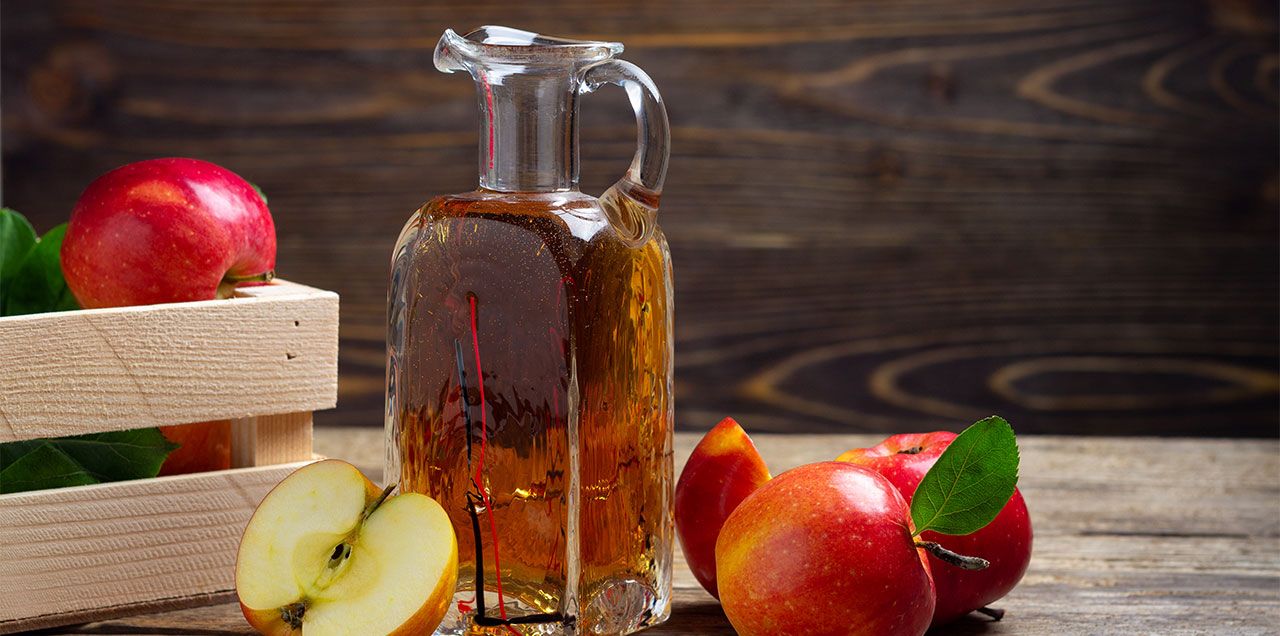
Apple juice is one of the most familiar fruit-based drinks found in everyday households. Its naturally sweet taste, refreshing quality, and ease of consumption make it a popular choice among people of all age groups. While it is often enjoyed casually, apple juice can also play a supportive role in daily health and fitness when consumed thoughtfully.
Many people include apple juice in their routine without fully understanding how it affects hydration, energy levels, and overall wellness. At Hello Fitness Magazine, the focus is on helping readers make informed choices about simple foods and drinks that fit into an active lifestyle. Apple juice, when used in moderation and prepared correctly, can be more than just a refreshing beverage.
Nutritional Composition of Apple Juice
Apple juice contains a mix of essential nutrients that support daily bodily functions. One of its key components is vitamin C, which contributes to immune support and helps protect cells from damage. This vitamin also plays a role in maintaining healthy skin by supporting collagen production.
Apple juice is rich in antioxidants such as flavonoids and polyphenols. These compounds help reduce oxidative stress in the body, which is linked to ageing and various health concerns. Antioxidants support overall wellness by protecting cells from environmental and lifestyle-related damage.
Natural sugars present in apple juice provide quick energy. Unlike refined sugars, these occur naturally in the fruit and are easier for the body to process. Apple juice also contains a high water content, which contributes to hydration throughout the day.
It is important to note that apple juice contains very little fibre compared to whole apples. Fibre is often lost during the juicing process, which is why apple juice should complement rather than replace whole fruits in the diet.
Health Benefits of Apple Juice
1. Supports Hydration
Hydration is essential for overall health and physical performance. Apple juice consists largely of water, making it useful for maintaining fluid balance in the body. For individuals who struggle to drink plain water, apple juice offers a more enjoyable way to stay hydrated.
When diluted with water, apple juice can serve as a light hydration drink during warm weather or after mild physical activity. Proper hydration supports digestion, circulation, and temperature regulation.
2. Contributes to Heart Health
Apple juice contains antioxidants that help support heart health. These compounds assist in reducing oxidative stress, which is linked to cardiovascular strain. Regular intake of antioxidant-rich foods and drinks can support healthy blood vessels and circulation.
While apple juice should not be seen as a treatment for heart conditions, including it as part of a balanced diet may contribute positively to long-term heart health.
3. Supports Skin Health
Skin health is influenced by hydration, nutrition, and antioxidant intake. Apple juice helps support all three. Vitamin C plays a role in maintaining skin elasticity, while antioxidants help protect skin cells from damage caused by pollution and stress.
Regular hydration also helps keep skin looking fresh and supple. When combined with a balanced diet, apple juice can support a healthy complexion.
4. Provides a Natural Energy Boost
Apple juice is a quick source of natural energy due to its carbohydrate content. This makes it useful during periods of fatigue or before light physical activity.
Many people experience an energy dip during midday hours. A small serving of apple juice can help restore energy levels without relying on artificial stimulants.
Apple Juice vs Whole Apple
Both apple juice and whole apples offer health benefits, but they serve different purposes. Whole apples contain dietary fibre, which supports digestion, gut health, and blood sugar control. Fibre also helps promote a feeling of fullness, making whole apples more satisfying.
Apple juice, on the other hand, is easier to consume and digest. It provides hydration and quick energy, making it suitable when solid foods are less convenient. However, because it lacks fibre, apple juice can lead to faster sugar absorption.
For balanced nutrition, it is best to include both whole apples and apple juice in moderation, depending on lifestyle and dietary needs.
Best Time to Drink Apple Juice
Timing plays an important role in how apple juice affects the body. The best time to drink apple juice is in the morning or before physical activity. At these times, the body can use the natural sugars efficiently for energy.
Drinking apple juice earlier in the day also helps prevent excess sugar intake late in the evening, which can interfere with sleep and digestion. For individuals watching sugar intake, diluting apple juice with water is a good option.
Avoid consuming apple juice on an empty stomach if you are sensitive to natural sugars, as it may cause mild discomfort for some people.
Simple Homemade Apple Juice Recipe
Preparing apple juice at home allows better control over quality and freshness. Homemade juice contains no added sugars or preservatives, making it a healthier choice.
Start by washing fresh apples thoroughly. Remove the core and cut it into small pieces. Blend the apples with clean water until smooth. Strain the mixture if you prefer a clear juice, or consume it with pulp for added nutritional value.
Fresh apple juice should be consumed immediately to retain its vitamins and antioxidants. Avoid storing it for long periods, as nutrients degrade over time.
FAQs
Is apple juice good for daily health?
Apple juice can support daily health when consumed in moderation. It should be part of a balanced diet that includes whole fruits, vegetables, and adequate hydration.
Can apple juice help with fitness routines?
Apple juice provides quick energy and hydration, making it useful before or after light workouts. It is especially helpful when combined with water.
Is apple juice suitable for weight management?
Apple juice should be consumed in controlled portions, as it contains natural sugars. Whole apples are better for satiety, while juice works well for energy support.
Is homemade apple juice better than packaged juice?
Homemade apple juice is generally better because it contains no added sugars, artificial flavours, or preservatives.
Conclusion
Apple juice can be a refreshing and supportive addition to daily health and fitness routines when used wisely. It helps with hydration, provides natural energy, and offers antioxidant support that benefits the body and skin. While it should not replace whole fruits, apple juice fits well into a balanced lifestyle when consumed in moderation. Hello Fitness Magazine encourages mindful nutrition choices that are simple, accessible, and supportive of long-term well-being.
Check out Hello Fitness Magazine. There is never a wrong time to go on a fitness quest. Contact us and allow us to assist you in leading a better lifestyle. Follow us on Instagram. We share the best Health & Fitness related Articles for information based on healthy eating, health and fitness recommendations, health problems and their solutions, human body fitness, and much more.