


Sweet potatoes are a popular root vegetable enjoyed in many parts of the world, including India, where they are commonly known as shakarkand. They are naturally sweet, filling and versatile enough to be boiled, roasted, baked or added to a variety of dishes.
Beyond their taste, sweet potatoes provide carbohydrates, dietary fibre, vitamins, minerals and plant compounds. However, understanding their nutrition properly requires looking beyond the simple idea that they are a "healthy food". Their calorie and carbohydrate content, serving size, variety and cooking method all matter.
Whether you are tracking your calorie intake, looking at sweet potato macros or simply trying to add more nutritious foods to your meals, these seven facts can help you understand what sweet potatoes actually offer.
Sweet Potato Nutrition Facts at a Glance
The nutritional composition of sweet potatoes can vary depending on the variety, size and preparation method. For consistency, nutrition values are best considered using a standard 100 g serving.
| Nutrient | Approximate Amount per 100 g |
|---|---|
| Calories | 80–90 kcal |
| Carbohydrates | 20–21 g |
| Protein | 1.5–2 g |
| Fibre | 3 g |
| Fat | Less than 0.5 g |
| Potassium | Around 300–340 mg |
| Vitamin C | Around 2–3 mg |
| Vitamin B6 | Around 0.2 mg |
| Vitamin A | High in orange-fleshed varieties |
Exact values can differ between varieties and databases, particularly when comparing raw, boiled, baked or roasted sweet potatoes. Therefore, serving size and preparation should always be considered when calculating the nutritional value of a particular meal.
1. Sweet Potato Is a Nutrient-Dense Source of Carbohydrates
One of the most important things to understand about sweet potato nutrition is that sweet potatoes are primarily a source of carbohydrates.
The carbohydrates come mainly from starches and naturally occurring sugars. They also contain dietary fibre, which contributes to the overall carbohydrate profile while supporting normal digestive function.
This means sweet potatoes should not be viewed as a low-carbohydrate food. Instead, they can be considered a nutrient-dense carbohydrate source that also provides several vitamins, minerals and beneficial plant compounds.
For people who are physically active, carbohydrates can be an important source of energy. Sweet potatoes can therefore fit into meals before or after exercise, depending on individual dietary requirements and overall meal composition.
The way you prepare them also matters. A plain boiled or baked sweet potato has a very different nutritional profile from sweet potato fries prepared with a considerable amount of oil.
Why Portion Size Matters
Even nutritious foods contribute calories and carbohydrates. Eating a large portion of sweet potato can provide substantially more energy than a small serving.
This does not mean that sweet potatoes need to be avoided. Instead, portion size should be considered alongside the rest of the meal.
For a balanced meal, sweet potato can be paired with a protein source, vegetables and an appropriate amount of healthy fat.
2. How Many Calories Are in a Sweet Potato?
One of the most common questions about this vegetable is how many calories are in a sweet potato.
A 100 g serving of raw sweet potato generally provides around 80–90 kcal, although the exact value varies by variety. The total number of calories in sweet potato depends largely on how much you eat and how it is prepared.
A small sweet potato will naturally contain fewer calories than a large one. Similarly, a plain baked or boiled sweet potato will usually provide fewer calories than one prepared with oil, butter, sugar or other calorie-dense ingredients.
Calories in 1 Sweet Potato
There is no single calorie value for 1 sweet potato calories because sweet potatoes come in many different sizes.
A useful way to estimate calories is to consider the weight of the edible portion. For example, if a sweet potato weighs approximately 150 g, its calorie contribution will be considerably higher than that of a 100 g serving.
This is why nutrition information based on weight can be more accurate than simply counting one whole sweet potato.
Calories in a Large Sweet Potato
A large sweet potato can contain significantly more calories than a small or medium one because of its greater weight.
For people tracking calorie intake, checking the weight of a large sweet potato can provide a better estimate than relying on a generic "one sweet potato" figure.
The cooking method should also be considered. A plain large sweet potato and a large sweet potato topped with butter, cheese or sugary ingredients are not nutritionally equivalent.
3. Understanding Sweet Potato Macros: Carbohydrates, Protein, Fibre and Fat
The term sweet potato macros refers to its macronutrients: carbohydrates, protein and fat. Fibre is also important when assessing the overall nutritional profile.
Sweet potatoes are predominantly carbohydrate-based. They contain a modest amount of protein and very little fat when eaten plain.
Carbohydrates
Carbohydrates make up the largest proportion of the macronutrient content. Most come from starch, along with smaller amounts of naturally occurring sugars.
This carbohydrate content is one reason portion size matters, particularly for people who monitor their carbohydrate intake.
Protein
If you are wondering how much protein in sweet potato, the answer is relatively modest.
A 100 g serving generally provides around 1.5–2 g of protein. This means sweet potato should not be considered a major protein source.
Instead, it works well when combined with foods that provide more protein, such as:
- Dal
- Beans
- Chickpeas
- Paneer
- Curd
- Eggs
- Fish
- Chicken
- Tofu
Combining sweet potato with a protein-rich food can create a more balanced meal.
Fibre
Sweet potatoes also provide dietary fibre. Fibre can contribute to normal digestion and may help meals feel more satisfying.
Leaving the skin on, where appropriate and after washing it thoroughly, can contribute additional fibre and nutrients.
Fat
Plain sweet potatoes contain very little fat. However, the fat content of a sweet potato dish can increase considerably depending on how it is prepared.
Deep-frying or adding large quantities of oil, butter or cream can substantially change the nutritional profile of the final dish.
4. Orange, Purple and White Sweet Potatoes: Does Variety Change Nutrition?
Not all sweet potatoes look or taste the same. They can have orange, purple, white or yellow flesh, and their nutritional profiles can differ.
Orange-fleshed varieties are particularly notable for their beta-carotene content. Beta-carotene is a carotenoid pigment that gives the flesh its characteristic orange colour and can be converted by the body into vitamin A.
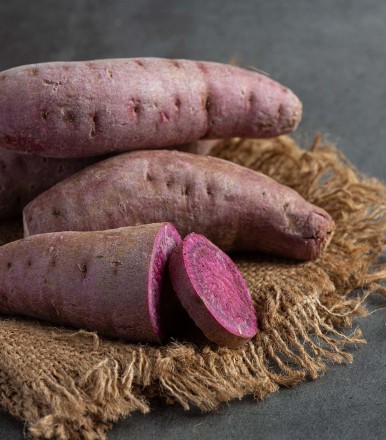
Purple sweet potatoes contain anthocyanins, plant pigments responsible for their purple colour. Anthocyanins belong to a group of compounds with antioxidant properties.
White and yellow-fleshed varieties have different concentrations of pigments and other plant compounds.
This does not mean that one variety is universally the "healthiest". Each type can contribute different nutrients and plant compounds to the diet.
Why Sweet Potato Colour Matters
The colour of a vegetable can sometimes provide a clue about its naturally occurring pigments.
For example:
Orange sweet potatoes: Particularly rich in beta-carotene.
Purple sweet potatoes: Notable for anthocyanin pigments.
White or yellow sweet potatoes: Contain their own combination of nutrients and plant compounds.
Including different varieties can therefore add nutritional and culinary variety to your diet.
5. What Are Boniato and Batata? Understanding Different Types of Sweet Potato
The terminology surrounding sweet potatoes can be confusing because names differ between countries and regions.
Boniato is a term commonly used for certain white-fleshed sweet potato varieties, particularly in parts of the Caribbean and Latin America. It tends to have a drier, starchier texture than many orange-fleshed varieties.
Batata is another name associated with sweet potatoes in various Spanish- and Portuguese-speaking regions. Depending on the country, the term can refer broadly to sweet potato or to particular varieties.
The important point is that these names do not always describe one single variety with a fixed nutritional profile.
Nutrition can vary according to:
- Variety
- Flesh colour
- Size
- Growing conditions
- Preparation method
- Whether the skin is consumed
Therefore, when comparing boniato, batata and other sweet potato varieties, it is better to look at the specific food and preparation rather than assuming that all varieties have identical nutrition.
6. Sweet Potato Is More Than Just Vitamin A
Sweet potatoes are often associated with vitamin A because orange-fleshed varieties contain substantial amounts of beta-carotene.
However, their nutritional value extends beyond one nutrient.
They can contribute:
Beta-Carotene and Vitamin A
Beta-carotene can be converted into vitamin A in the body. Vitamin A is important for normal vision, immune function and other physiological processes.
The amount of beta-carotene varies considerably between sweet potato varieties, with orange-fleshed varieties generally providing much more than white-fleshed varieties.
Vitamin C
Sweet potatoes provide vitamin C, although the amount can vary according to variety and preparation. Vitamin C contributes to normal immune function and helps protect cells from oxidative stress.
Vitamin B6
Vitamin B6 is involved in several normal metabolic processes, including protein and glycogen metabolism and normal nervous system function.
Sweet potatoes can contribute a modest amount of this vitamin to the diet.
Potassium
Sweet potatoes also provide potassium, an essential mineral involved in normal muscle function, nervous system function and maintenance of normal blood pressure.
Manganese
Manganese is another mineral found in sweet potatoes. It contributes to normal energy metabolism, protection of cells from oxidative stress and maintenance of normal bones.
The nutritional value of sweet potatoes therefore comes from their combination of carbohydrates, fibre, vitamins, minerals and plant compounds rather than from one nutrient alone.
7. Does Cooking Change Sweet Potato Nutrition?
Cooking changes the texture, flavour and physical structure of sweet potatoes, and it can also influence their nutritional characteristics.
There is no single cooking method that makes every nutrient more available or automatically makes the food healthier.
Boiled Sweet Potato
Boiling can soften sweet potatoes and make them easy to digest. Some water-soluble nutrients may be lost into the cooking water, particularly when the vegetable is cut into small pieces before cooking.
Using minimal water and avoiding unnecessarily long cooking times can help reduce nutrient losses.
Baked or Roasted Sweet Potato
Baking and roasting can concentrate the flavour and create a softer interior with a more caramelised exterior.
Because these methods generally use less water, they can help retain some water-soluble nutrients. However, prolonged or high-temperature cooking can affect certain nutrients.
Adding oil can also increase the overall calorie content.
Fried Sweet Potato
Frying changes the nutritional profile considerably because the food can absorb fat during cooking.
Sweet potato fries may therefore contain substantially more calories and fat than plain boiled or baked sweet potato.
The issue is not the sweet potato itself but the preparation method and additional ingredients.
Cooking and Carotenoids
Cooking can also alter the food matrix and affect how certain compounds are released during digestion. For carotenoids such as beta-carotene, cooking may sometimes improve bioaccessibility even though some nutrient loss can occur.
This is why it is too simplistic to say that raw vegetables are always nutritionally superior to cooked vegetables.
The overall preparation method, cooking time and ingredients all matter.
Sweet Potato vs Regular Potato: Which Is More Nutritious?
Sweet potatoes and regular potatoes are both nutritious root vegetables. Neither needs to be categorised as universally better or worse.
The biggest nutritional difference is often their vitamin and plant-compound profile.
Orange-fleshed sweet potatoes are particularly rich in beta-carotene, while regular potatoes generally provide more potassium per comparable serving in some preparations.
Both provide carbohydrates, and both can contribute fibre, especially when eaten with their skin.
The preparation method can make a major difference to the final meal. A boiled potato and a deep-fried potato dish should not be compared as though they have the same nutritional profile.
Instead of asking which vegetable is always healthier, consider the overall meal, portion size and preparation method.
Is Sweet Potato Good for Weight Management?
Sweet potato can be included in a weight-management diet, but it should not be described as a food that directly causes weight loss.
Its relatively high water content and fibre contribution can make it a satisfying addition to meals. At the same time, sweet potatoes contain carbohydrates and calories, so portion size remains relevant.
Preparation also matters. A plain boiled or baked sweet potato is very different from sweet potato prepared with large amounts of oil, butter, cream or sugar.
For a balanced meal, consider combining a moderate portion of sweet potato with vegetables and a suitable protein source.
Can Sweet Potato Fit Into a Blood-Sugar-Friendly Diet?
Sweet potatoes contain carbohydrates, so they can affect blood glucose. However, their effect can vary according to the variety, preparation method, portion size and the other foods eaten with them.
Fibre, cooking method and the overall composition of a meal can all influence how carbohydrates are digested and absorbed.
People managing diabetes or another blood-sugar-related condition should consider their individual dietary requirements and follow advice from their healthcare professional or registered dietitian.
It is not accurate to label sweet potatoes as automatically suitable or unsuitable for everyone with diabetes.
Sweet Potato Nutrition in Indian Diets
In India, sweet potato is commonly known as shakarkand and is particularly popular during cooler months.
It can be enjoyed in several simple ways, including boiled shakarkand, roasted shakarkand and sweet potato chaat.
For a balanced meal, sweet potato can also be combined with curd, legumes, vegetables or another suitable protein source.
The nutritional value of the final dish depends on what is added. A simple roasted or boiled shakarkand will have a different calorie and fat profile from a preparation containing generous amounts of oil, sugar or other calorie-dense ingredients.
This makes traditional preparation methods worth considering when looking at sweet potato nutrition in the Indian diet.
How to Build a Balanced Meal With Sweet Potato
Sweet potato works best as one component of a complete meal rather than as the only food on the plate.
You can combine it with a protein source such as dal, chickpeas, paneer, curd, eggs, fish, chicken or tofu.
Adding vegetables can increase the overall variety of the meal, while a small amount of healthy fat can contribute flavour and help make the meal more satisfying.
For example, a balanced meal could include roasted sweet potato, a protein-rich food, a generous serving of vegetables and a suitable portion of healthy fat.
This approach is more useful than focusing on whether sweet potato itself is simply "good" or "bad".
Does Eating Sweet Potato With the Skin Change Its Nutrition?
The skin of sweet potatoes can contribute fibre and other nutrients. If you choose to eat the skin, wash the sweet potato thoroughly before preparation.
Whether you peel it is ultimately a matter of preference, recipe and texture.
For roasting or baking, keeping the skin can provide a different texture and may help retain some nutrients close to the surface.
For certain recipes, peeling may produce a smoother texture. Either option can fit into a balanced diet.
What Is the Healthiest Way to Prepare Sweet Potato?
There is no single preparation method that is ideal for every person or every meal.
Boiling and steaming can be useful when you want a simple preparation without added fat. Baking and roasting can create a richer flavour without requiring deep frying.
Frying can substantially increase the calorie and fat content because of the added cooking oil.
The ingredients added after cooking also matter. Sugar, butter, cream, cheese and large quantities of oil can change the nutritional profile significantly.
For everyday meals, simple preparations with moderate portions can make it easier to include sweet potato as part of a balanced diet.
Potential Downsides and Portion Considerations
Sweet potatoes are nutritious, but eating them in very large quantities does not automatically make a diet healthier.
Because they contain a substantial amount of carbohydrates, portion size can be important for people monitoring carbohydrate or calorie intake.
Preparation can also change the nutritional profile. Fried sweet potato dishes and recipes containing large amounts of added fat or sugar can be considerably more energy-dense than plain sweet potato.
Sweet potatoes also contain oxalates. For most people, this is not a reason to avoid them, but people who have been advised to limit dietary oxalates or who are prone to certain types of kidney stones should discuss appropriate food choices with a healthcare professional.
As with any food, variety and overall dietary balance are more important than relying heavily on one ingredient.
Frequently Asked Questions About Sweet Potato Nutrition
How many calories are in a sweet potato?
A 100 g serving of sweet potato generally contains around 80–90 kcal, although the exact amount varies by variety and preparation. A whole sweet potato will contain more or fewer calories depending on its size.
How many calories are in 1 sweet potato?
The calories in one sweet potato depend on its weight. A small sweet potato will contain fewer calories than a large one, so weighing the edible portion gives a more accurate estimate.
How much protein is in sweet potato?
A 100 g serving of sweet potato generally provides around 1.5–2 g of protein. It is therefore better considered a carbohydrate source than a high-protein food.
What are the main sweet potato nutrition facts?
Sweet potatoes provide carbohydrates, fibre, modest amounts of protein, very little fat and several micronutrients, including potassium, vitamin C and vitamin B6. Orange varieties are also particularly rich in beta-carotene.
Is sweet potato good for weight management?
Sweet potato can form part of a weight-management diet because it provides nutrients and fibre without being extremely calorie-dense. However, portion size and preparation method still matter.
What is the difference between boniato, batata and regular sweet potato?
Boniato and batata are names used for sweet potatoes in different regions, although the exact varieties referred to can vary. Their colour, texture and nutritional composition may differ, so specific variety and preparation should be considered.
Conclusion
Sweet potato is much more than a naturally sweet root vegetable. Its nutritional profile includes carbohydrates, fibre, modest protein, vitamins, minerals and a range of plant compounds. Orange-fleshed varieties are particularly notable for their beta-carotene, while purple varieties provide anthocyanins.
Understanding sweet potato nutrition facts also means looking at serving size. The calories in sweet potato can vary considerably depending on its size and preparation, while the sweet potato macros show that it is primarily a carbohydrate food with modest protein and relatively little fat.
From shakarkand enjoyed in India to varieties such as boniato and batata, sweet potatoes come in different forms and can be prepared in many ways. Including them as part of a balanced diet, alongside vegetables and suitable protein sources, can make them a versatile and nutritious food choice.
The most useful approach is not to label sweet potatoes as simply "good" or "bad". Instead, consider the variety, portion, preparation method and overall nutritional balance of the meal.
Check out Hello Fitness Magazine. There is never a wrong time to go on a fitness quest. Contact us and allow us to assist you in leading a better lifestyle. Follow us on Instagram. We share the best Health & Fitness related Articles for information based on healthy eating, health and fitness recommendations, health problems and their solutions, human body fitness, and much more.