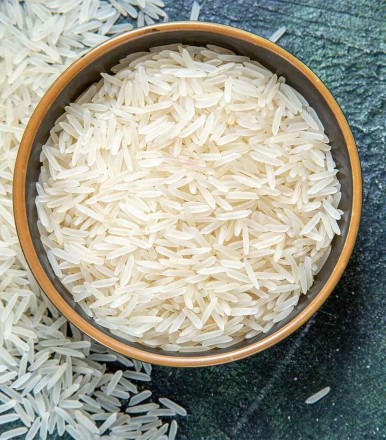



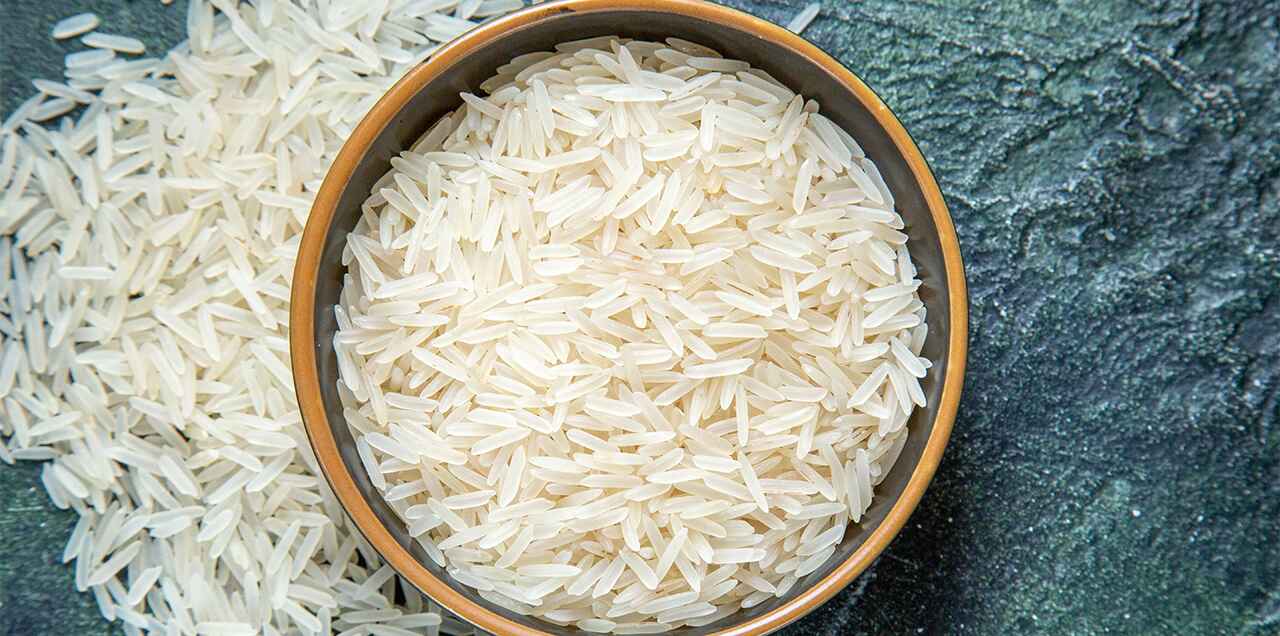
White rice is one of the most commonly eaten staple foods in Indian households. It is served with dal, rajma, sambar, vegetables, curd and many other everyday dishes. Despite being a regular part of meals, white rice is often surrounded by questions about calories, carbohydrates, protein, fibre and overall health.
Understanding the white rice nutrition facts can help you make better choices without unnecessarily avoiding a food you enjoy. The nutritional value depends on the type of rice, serving size and whether you are measuring it before or after cooking.
So, how many calories does white rice contain? What is its nutritional content? Does it provide protein and fibre? And can it be included in a balanced diet?
Let us look at the nutritional information in white rice in a simple and practical way.
What Is White Rice?
White rice is a refined form of rice. During milling, the outer husk is removed, followed by the bran and germ. The remaining part is mainly the starchy endosperm.
This processing gives white rice its familiar lighter colour, softer texture and relatively quick cooking time. However, removing the bran and germ also reduces some of the naturally occurring fibre, vitamins, minerals and other plant compounds found in less-refined rice.
Some white rice products are enriched or fortified with selected nutrients after processing, so the exact nutritional profile can vary between products.
White Rice Nutrition Facts
The nutritional value of white rice mainly comes from carbohydrates, with smaller amounts of protein and very little fat.
The exact numbers depend on the variety and how the rice is prepared. For example, USDA nutrient data show differences between long-grain, medium-grain, parboiled and instant rice.
For this reason, when discussing white rice nutrition content, it is important to know whether the measurement refers to dry or cooked rice.
Cooked rice contains a significant amount of water absorbed during cooking. This increases its weight without adding calories from the water itself.
How Many Calories Are in White Rice?
One of the most common questions about rice is its calorie content.
The white rice calories you consume depend mainly on the type of rice and the amount you eat. A cup of cooked white rice can provide roughly 160 to 205 calories depending on the specific variety and database entry used. USDA and other established food-composition sources show this variation between rice types.
This is why the phrase 1 cup of rice calories should always specify whether the rice is cooked and what type of rice is being measured.
The calories can also change when other ingredients are added. Plain steamed or boiled rice is different from fried rice prepared with oil, butter, ghee or other ingredients.
Does Cooking Increase Rice Calories?
Cooking itself does not add calories simply because rice absorbs water.
For example, dry rice becomes heavier after cooking because it absorbs water. The calories present in the original rice are distributed through a larger cooked weight.
This is an important reason why nutrition information for dry rice should not be directly compared with nutrition information for cooked rice without considering the difference in weight.
How Much Carbohydrate Does White Rice Contain?
Carbohydrates are the main macronutrient in white rice.
The carbohydrate content mainly comes from starch, which provides the body with energy. USDA data list about 53 grams of carbohydrate in one cup of cooked medium-grain white rice in one of its standard reference entries.
The exact amount can vary depending on the rice variety, cooking method and serving size.
Having carbohydrates in your diet is not automatically unhealthy. Carbohydrates are an important source of energy, particularly when included as part of a balanced diet.
The more important consideration is how much rice you eat and what other foods are included in the meal.
Does White Rice Contain Protein?
Yes, white rice contains protein, although it is not considered a high-protein food.
A cup of cooked white rice generally provides around 4 grams of protein, although the exact amount varies by variety and serving size.
For this reason, rice is usually better combined with another protein source rather than treated as the main protein food.
In an Indian meal, you could pair rice with:
- Dal
- Rajma
- Chole
- Curd
- Paneer
- Eggs
- Fish
- Chicken
These combinations can provide a broader range of nutrients than a meal based mainly on rice.
How Much Fat Is Present in White Rice?
Plain white rice is naturally very low in fat.
Some nutrition references list around 0.5 grams of fat in a cup of cooked white rice, although the amount varies by rice type.
However, the final fat content of a rice dish can be much higher when ingredients such as ghee, butter, coconut milk or cooking oil are added.
Therefore, when considering rice nutritional information, it is useful to distinguish between plain cooked rice and prepared rice dishes.
Does White Rice Contain Fibre?
White rice contains some fibre, but generally much less than brown rice.
The main reason is processing. The bran layer, which contains a significant amount of dietary fibre, is removed during the production of white rice.
For example, one nutrition comparison lists about 0.5 grams of fibre in a cup of cooked white rice compared with around 3 grams in a similar serving of cooked brown rice.
This does not mean white rice has no place in a healthy diet. It simply means that other foods, such as vegetables, fruits, pulses, beans and whole grains, can be important sources of fibre in a diet that includes white rice.
What Vitamins and Minerals Are Found in White Rice?
The nutrition facts in white rice include more than calories and carbohydrates.
Depending on the variety and whether the rice has been enriched, white rice can provide smaller amounts of several vitamins and minerals.
These may include:
B Vitamins
Some white rice products provide B vitamins naturally or through enrichment. Thiamine, niacin and vitamin B6 are among the nutrients that may be present.
Iron
Some enriched white rice contains added iron. The amount varies between products.
Manganese
Rice can contribute manganese to the diet, although the amount depends on the variety and serving.
Phosphorus
White rice can provide phosphorus in smaller amounts.
Selenium
Some types of rice also contribute selenium.
Because nutrient levels can vary significantly between varieties and products, it is better to check the nutrition label or a reliable food-composition database when precise values are required. USDA maintains food-composition data covering carbohydrates, proteins, fats, vitamins and minerals.
Why Does White Rice Have Less Fibre Than Brown Rice?
The difference comes mainly from processing.
A rice grain naturally contains several layers. The bran and germ contain fibre, vitamins, minerals and other compounds. When these layers are removed during milling, the remaining white rice is primarily the starchy endosperm.
Brown rice retains the bran and germ, which is why it generally contains more fibre and has a different nutritional profile.
This does not make white rice nutritionally empty. It means that white and brown rice provide different amounts of certain nutrients.
Does White Rice Have a High Glycaemic Index?
The glycaemic index, or GI, measures how quickly a carbohydrate-containing food can raise blood glucose compared with a reference food.
White rice can have a moderate to high GI depending on the rice variety, processing and preparation method. Different types of rice do not all produce the same blood glucose response.
This is important because simply calling all white rice "high GI" does not tell the whole story.
Portion size also matters. A food's glycaemic index does not tell you how much carbohydrate you actually consume in a normal serving.
What Is the Difference Between Glycaemic Index and Glycaemic Load?
These terms are related but not identical.
Glycaemic index describes the relative effect of a carbohydrate-containing food on blood glucose.
Glycaemic load also considers the amount of available carbohydrate consumed.
This means that the portion of rice on your plate can matter when considering its effect on blood glucose.
The type of rice and the rest of the meal can also influence the overall response.
Is White Rice Healthy?
White rice does not need to be categorised simply as healthy or unhealthy.
It provides carbohydrates for energy and small amounts of protein and other nutrients. At the same time, refining reduces its fibre content compared with whole-grain rice.
The overall meal is important.
A bowl of white rice eaten with dal, vegetables and curd provides a different nutritional balance from a very large portion of plain rice eaten without other nutrient-rich foods.
Therefore, the white rice nutritional information should be considered as part of your overall diet rather than in isolation.
Can You Eat White Rice for Weight Management?
Yes, white rice can be included in a weight-management diet.
Eating white rice does not automatically cause weight gain. Overall calorie intake, portion size, physical activity and the rest of the diet all contribute to energy balance.
If you enjoy rice, you do not necessarily need to remove it from your diet. Instead, consider how much you are eating and what you combine it with.
For example, adding vegetables and a protein source can make a rice-based meal more balanced and filling.
How Can You Make a White Rice Meal More Balanced?
Rice With Dal and Vegetables
Rice provides carbohydrates, while dal contributes protein and vegetables add fibre and a range of vitamins and minerals.
Rice With Rajma or Chole
Rajma and chole provide plant protein and fibre, making them useful additions to a rice-based meal.
Rice With Curd
Curd can add protein and calcium to a rice meal and is commonly eaten with rice in many parts of India.
Rice With Eggs, Fish or Chicken
These foods can provide a more substantial protein source alongside rice.
Add Vegetables to the Meal
Vegetables can increase the fibre and micronutrient content of a meal without relying only on the rice for nutrition.
Does the Way You Cook Rice Affect Its Nutritional Value?
The preparation method can affect the final nutritional profile of a rice dish.
Plain boiled or steamed rice does not contain the same amount of added fat as rice cooked with generous amounts of oil or ghee.
Similarly, dishes such as fried rice and pulao can have considerably different calorie and fat contents because of the additional ingredients used.
The cooking process can also affect the weight of rice because it absorbs water.
For this reason, when comparing rice calories, always check whether the figures refer to cooked or uncooked rice.
Does Washing White Rice Affect Its Nutrition?
Rice is often washed before cooking, but excessive washing can affect some nutrients, particularly in enriched rice.
Harvard's nutrition guidance notes that repeated or excessive rinsing can remove some water-soluble B vitamins from polished enriched white rice.
The appropriate preparation method can depend on the rice product and cooking instructions, so it is better to follow the recommendations provided for the specific rice you are using.
Is White Rice Gluten-Free?
Plain rice is naturally gluten-free.
This includes plain white rice. However, packaged rice mixes, ready-made rice dishes and flavoured products can contain other ingredients.
If you need to strictly avoid gluten for medical reasons, check the product label and preparation details rather than assuming every rice-based product is gluten-free.
White Rice vs Brown Rice: Which Has More Fibre?
Brown rice generally contains more fibre because it retains the bran and germ.
White rice has these outer layers removed during processing, resulting in a softer texture and lower fibre content.
This does not mean that everyone must replace white rice with brown rice. Both can be included in a varied diet according to personal preferences, dietary needs and meal patterns.
What About Arsenic in Rice?
Rice plants can absorb inorganic arsenic from soil and water, and the amount can vary according to growing conditions and the type of rice.
This is one reason why dietary variety can be useful. Instead of relying on one grain as the only staple food every day, you can include a variety of grains and other carbohydrate sources as part of a balanced diet.
This information should not be interpreted as a reason to avoid rice completely. The concern is more relevant to overall dietary exposure and variety.
How Should Cooked White Rice Be Stored?
Cooked rice needs proper storage.
Avoid leaving cooked rice at room temperature for long periods. Once it has cooled appropriately, store it in a clean, covered container in the refrigerator and reheat it safely when needed.
Improperly stored cooked rice can allow bacteria such as Bacillus cereus to multiply.
This is particularly important when preparing rice in larger quantities for later meals.
Common Myths About White Rice Nutrition
Myth 1: White Rice Has No Nutritional Value
White rice provides carbohydrates, some protein and smaller amounts of vitamins and minerals. Its nutritional profile is different from brown rice, but it is not nutritionally empty.
Myth 2: White Rice Automatically Causes Weight Gain
Weight gain is influenced by overall energy intake and other lifestyle factors. The portion and overall meal matter.
Myth 3: You Must Stop Eating White Rice to Follow a Healthy Diet
There is no universal need to completely remove white rice from a balanced diet.
Myth 4: Brown Rice and White Rice Have the Same Nutritional Content
They have different nutritional profiles because brown rice retains the bran and germ.
Myth 5: Every Type of White Rice Has the Same Calories
Rice varieties differ in size, composition and preparation. Even nutrition databases can show different values depending on the rice being measured.
Who Should Pay More Attention to Their White Rice Intake?
People managing diabetes, following a calorie-controlled diet or working with specific carbohydrate targets may need to pay closer attention to portions and meal composition.
However, there is no single rice portion that is appropriate for everyone.
Individual requirements can depend on factors such as age, activity level, total energy needs and health conditions. People with diabetes or other medical conditions should follow personalised advice from their doctor or registered dietitian.
Simple Tips for Including White Rice in a Balanced Diet
You do not need complicated rules to include rice sensibly.
- Pay attention to your portion size.
- Add vegetables to your meal.
- Include a protein source.
- Combine rice with dal or other pulses.
- Be mindful of added ghee, butter and oil.
- Include other grains and carbohydrate sources in your diet when suitable.
- Store cooked rice safely.
- Check nutrition labels when buying packaged or enriched rice.
Frequently Asked Questions
How many calories are in white rice?
White rice calories vary according to the variety and serving size. Cooked white rice commonly provides around 160 to 205 calories per cup in different established food-composition references. Always check whether the measurement is for cooked or uncooked rice.
How many calories are in 1 cup of rice?
The calories in 1 cup of rice depend on the type and whether it is cooked. For example, USDA data list about 158 calories for one cup of cooked long-grain enriched white rice, while other white-rice varieties have higher values.
Is white rice high in carbohydrates?
Yes. Carbohydrates are the main macronutrient in white rice, with starch making up most of its carbohydrate content.
Does white rice contain protein?
Yes, but it provides only a modest amount of protein. Pairing rice with dal, beans, dairy, eggs, fish or another protein source can make the meal more balanced.
Is white rice good for weight management?
White rice can fit into a weight-management diet when portions and overall calorie intake are appropriate. It does not automatically cause weight gain.
Is brown rice healthier than white rice?
Brown rice generally contains more fibre because it retains the bran and germ. However, white rice can also fit into a balanced diet.
Is white rice gluten-free?
Plain white rice is naturally gluten-free. Packaged or prepared rice products may contain other ingredients, so labels should be checked when necessary.
Does white rice raise blood sugar?
White rice can raise blood glucose, and the response depends on factors such as rice variety, preparation, portion size and the rest of the meal.
Conclusion
Understanding white rice nutrition facts is more useful than simply labelling rice as good or bad. White rice is primarily a source of carbohydrates and also provides modest amounts of protein and other nutrients. However, because the bran and germ are removed during refining, it generally contains less fibre than brown rice.
When looking at the nutritional value of white rice, remember that serving size and preparation matter. The calories in a cup of cooked rice are different from those in a cup of dry rice, and adding oil, ghee or other ingredients can change the nutritional content of the final dish.
For an everyday Indian diet, white rice can be paired with dal, pulses, vegetables, curd, eggs, fish or other protein-rich foods to create a more balanced meal. The goal is not to fear rice, but to understand its nutritional content and include it as part of a varied and balanced diet.
Check out Hello Fitness Magazine. There is never a wrong time to go on a fitness quest. Contact us and allow us to assist you in leading a better lifestyle. Follow us on Instagram. We share the best Health & Fitness related Articles for information based on healthy eating, health and fitness recommendations, health problems and their solutions, human body fitness, and much more.