


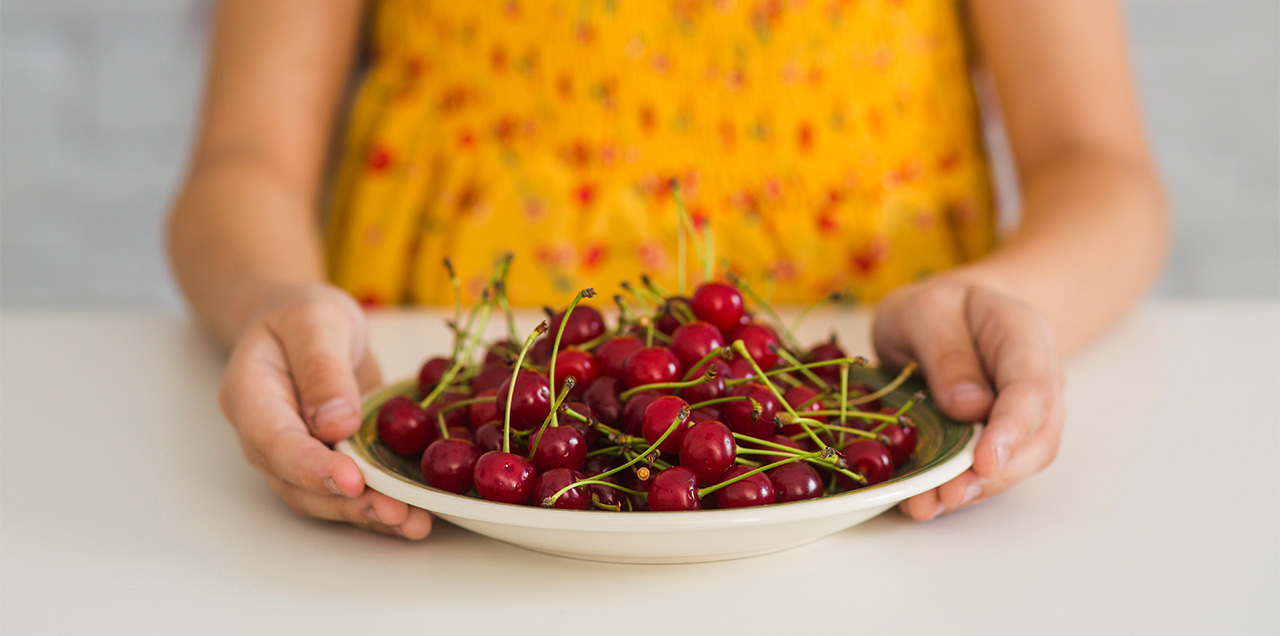
Cherries are naturally sweet, juicy fruits that can add both flavour and nutrition to your daily diet. They provide carbohydrates, dietary fibre, vitamin C, potassium and beneficial plant compounds such as anthocyanins.
Whether you enjoy fresh cherries as a snack or add them to yoghurt, oats or smoothies, understanding their nutritional value can help you make better choices about portion sizes and how they fit into your overall diet.
Cherry Nutrition Facts at a Glance
A 100 g serving of fresh cherries provides approximately:
- Calories: 60–65 kcal
- Carbohydrates: Around 16 g
- Dietary fibre: Around 2 g
- Protein: Around 1 g
- Fat: Less than 1 g
- Vitamin C: Around 10 mg
- Potassium: Around 200 mg
The exact values can vary depending on the variety, ripeness and preparation of the cherries.
How Many Calories Are in Cherries?
Fresh cherries are relatively moderate in calories. Around 100 g of cherries provides approximately 60–65 calories, while a cup of pitted cherries can provide roughly 90–100 calories.
The form of the fruit also matters. Dried cherries contain considerably more calories per gram because most of their water has been removed. Some commercially available dried cherries may also contain added sugar.
For this reason, fresh cherries are generally easier to portion when you want a lower-calorie whole-fruit option.
Understanding Cherry Macros
Carbohydrates and Natural Sugars
Carbohydrates make up most of the calories in cherries. They include naturally occurring sugars as well as a smaller amount of dietary fibre.
The presence of natural sugar does not make whole cherries an unhealthy food. Unlike foods containing mainly added sugar, whole cherries also provide water, fibre, vitamins, minerals and plant compounds.
If you are monitoring your carbohydrate intake, paying attention to portion size is more useful than completely avoiding cherries.
Dietary Fibre
Cherries provide dietary fibre, which contributes to normal digestive function. Eating the whole fruit also provides considerably more fibre than drinking cherry juice.
Adding cherries to a meal containing protein and healthy fats can also make the overall snack or meal more balanced.
Protein and Fat
Cherries are not a major source of protein or dietary fat. Their nutritional value comes mainly from their carbohydrates, fibre, vitamins, minerals and plant compounds.
For a more filling snack, try pairing fresh cherries with plain yoghurt, curd, nuts or seeds.
What Vitamins and Minerals Do Cherries Provide?
Cherries contribute several micronutrients to the diet, particularly vitamin C and potassium.
Vitamin C supports normal immune function and collagen formation, while potassium plays an important role in normal nerve and muscle function.
Cherries also contain smaller amounts of other vitamins and minerals, making them a useful addition to a varied diet rather than a single-food source of nutrition.
What Makes Cherries Nutritionally Interesting?
Anthocyanins
The red, dark red and purple colours found in many cherries are partly due to anthocyanins. These naturally occurring plant pigments belong to the polyphenol family and have antioxidant properties.
Researchers have studied cherry-derived polyphenols for their potential effects on oxidative stress, inflammation and exercise recovery. However, research findings should be interpreted carefully because studies often use tart cherry juice, concentrate or supplements rather than ordinary servings of fresh cherries.
Other Polyphenols
Cherries contain several types of polyphenols, including flavonoids and phenolic acids. The amount and composition can differ according to the cherry variety, growing conditions, ripeness and processing.
This is one reason the nutritional profile of fresh sweet cherries should not automatically be considered identical to that of tart cherry products.
Sweet Cherries vs Tart Cherries
Sweet and tart cherries are different varieties and have noticeably different flavour profiles.
Sweet cherries are commonly eaten fresh and are usually larger, softer and sweeter.
Tart cherries have a more acidic flavour and are commonly used in juices, concentrates, powders and other processed products.
Tart cherries have received particular research attention for areas such as exercise recovery and sleep. However, findings from studies involving concentrated tart cherry products cannot automatically be applied to eating fresh sweet cherries.
The amount, form and concentration used in research can be very different from a normal serving of fresh fruit.
Fresh, Dried or Juiced: Which Cherry Form Is Better?
Fresh Cherries
Fresh cherries are a practical choice for everyday eating. They contain their natural water and fibre and can be eaten without added ingredients.
You can enjoy them as a snack or add pitted cherries to yoghurt, oats, salads or homemade smoothies.
Dried Cherries
Dried cherries are more concentrated because their water has been removed. This makes them convenient but also easier to overeat.
Always check the nutrition label because some packaged dried cherries contain added sugar.
Cherry Juice
Cherry juice can provide compounds naturally found in cherries, but it generally contains much less fibre than the whole fruit.
If you choose cherry juice, an unsweetened product can help you avoid unnecessary added sugar.
Tart Cherry Concentrate and Supplements
Tart cherry concentrates and supplements are different from fresh cherries. They are often used in research at specific doses and concentrations.
Although some studies have reported promising results, these products should not be treated as essential sources of nutrition or as replacements for a balanced diet.
Can You Eat Cherries Every Day?
Yes, fresh cherries can be included in your diet every day if they suit your nutritional needs and digestive tolerance.
There is no requirement to eat cherries daily, however. A varied diet containing different fruits and vegetables provides a wider range of nutrients and plant compounds.
A sensible serving of fresh cherries can work well as part of breakfast, a snack or a dessert.
How Cherries May Support a Healthy Diet
Fibre and Digestive Health
The fibre in whole cherries contributes to normal digestive health. Eating the whole fruit rather than only drinking cherry juice helps you retain this fibre.
Vitamin C and Normal Body Functions
Cherries provide vitamin C, a nutrient involved in normal immune function, collagen formation and protection of cells from oxidative stress.
Potassium
Cherries provide potassium, an essential mineral that supports normal muscle and nerve function and contributes to maintaining normal blood pressure.
Polyphenols and Oxidative Stress
Cherry polyphenols have antioxidant activity, and researchers have investigated their relationship with oxidative stress and inflammation. However, these findings do not mean cherries should be considered a treatment for a medical condition.
Exercise and Recovery
Tart cherries have been studied in relation to exercise recovery, muscle soreness and strength. Some research suggests potential benefits, but studies often involve tart cherry juice or concentrated products rather than fresh sweet cherries.
Therefore, it is more accurate to say that research is promising than to claim that eating cherries will definitely speed up recovery.
Cherries and Blood Sugar
Cherries contain natural sugars and carbohydrates, but whole cherries also provide fibre and water.
For most people, fresh cherries can be included in a balanced diet. If you have diabetes or are monitoring your blood glucose, your overall carbohydrate intake and serving size are important considerations.
It is also important to distinguish fresh cherries from sweetened dried cherries and commercially prepared cherry drinks, which can have substantially different nutritional profiles.
Are Cherries Good for Weight Management?
Fresh cherries can fit into a weight-management diet because they provide relatively few calories while contributing water, fibre and micronutrients.
However, cherries themselves do not cause weight loss. Weight management depends on your overall calorie intake, dietary pattern, physical activity and other lifestyle factors.
If calories are a concern, fresh cherries are generally easier to portion than dried cherries or sweetened cherry products.
How to Add Cherries to Your Daily Diet
Fresh cherries can be included in everyday meals without much preparation.
Try adding them to:
- Plain yoghurt or curd
- Oatmeal or overnight oats
- Smoothies
- Fruit bowls
- Homemade chia pudding
- Whole-grain breakfast bowls
- Salads for a sweet contrast
- A simple snack with nuts or seeds
When using cherries in smoothies, keeping the whole fruit instead of relying on juice helps retain more fibre.
What Happens If You Eat Too Many Cherries?
Eating a large quantity of cherries may cause digestive discomfort in some people. This can include bloating, gas or loose stools.
Individual tolerance varies, so if you notice discomfort after eating cherries, reduce your portion and see whether symptoms improve.
You also need to consider the form of cherries. Eating a large amount of dried cherries or drinking concentrated cherry products can provide considerably more sugar and calories than eating a moderate serving of fresh fruit.
Cherry Pits: What You Should Know
Cherry pits should not be eaten or deliberately crushed and chewed.
Cherry stones contain compounds that can release cyanide when the pit is damaged. Therefore, remove the pits before eating or preparing cherries, particularly when serving them to children.
The safest approach is simple: eat the fruit and discard the pit.
How to Choose, Store and Prepare Fresh Cherries
When buying fresh cherries, look for fruit that is firm, plump and free from visible mould or significant bruising.
Keep cherries refrigerated to help maintain their quality. Wash them under clean running water before eating and remove the pits when required.
It is generally better to wash cherries shortly before eating rather than leaving wet fruit in storage, as excess moisture can encourage spoilage.
Frequently Asked Questions About Cherries
What are the main nutrition facts of cherries?
Cherries provide carbohydrates, natural sugars, fibre, vitamin C, potassium and polyphenol compounds while remaining relatively moderate in calories.
How many calories are in 100 g of cherries?
A 100 g serving of fresh cherries provides approximately 60–65 calories, although the exact amount can vary by variety and preparation.
Can you eat cherries every day?
Yes. Fresh cherries can be eaten daily as part of a balanced diet when the serving size suits your nutritional needs and digestive tolerance.
Are cherries high in sugar?
Cherries contain naturally occurring sugar, but they also provide water and fibre. Whole cherries are nutritionally different from foods containing added sugar.
Are fresh cherries healthier than dried cherries?
Fresh cherries contain more water and are generally easier to portion. Dried cherries are more calorie-dense, and some packaged varieties contain added sugar.
What is the difference between sweet and tart cherries?
Sweet cherries are commonly eaten fresh, while tart cherries are frequently used in juices, concentrates and powders. Research on tart cherry products should not automatically be applied to fresh sweet cherries.
Conclusion
Cherries are a nutritious fruit that can easily fit into a balanced daily diet. They provide natural carbohydrates, fibre, vitamin C, potassium and a variety of plant compounds while offering relatively few calories compared with many processed snacks.
Fresh cherries are particularly practical for everyday eating because they retain their natural water and fibre. Dried cherries, juices and tart cherry concentrates can also be used, but their serving sizes and nutritional composition can differ considerably.
The most useful approach is to enjoy cherries as part of a varied diet rather than treating them as a miracle food. A moderate serving of fresh cherries can be a simple and enjoyable way to add more fruit and important nutrients to your daily meals.
Check out Hello Fitness Magazine. There is never a wrong time to go on a fitness quest. Contact us and allow us to assist you in leading a better lifestyle. Follow us on Instagram. We share the best Health & Fitness related Articles for information based on healthy eating, health and fitness recommendations, health problems and their solutions, human body fitness, and much more.