


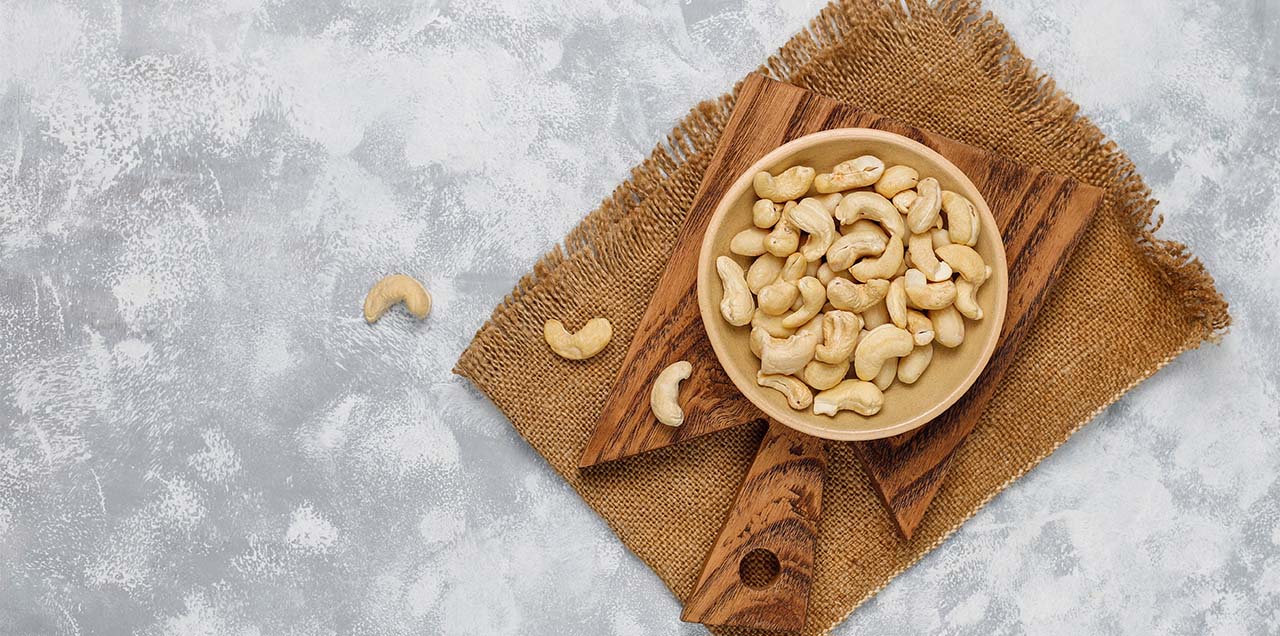
Cashews are among the most popular nuts enjoyed in India. Their creamy texture, mild flavour, and natural richness make them a common addition to snacks, sweets, curries, salads, and breakfast dishes. Along with their taste, cashews provide protein, healthy fats, minerals, and other nutrients that can form part of a balanced diet.
However, cashews are also relatively calorie-dense. Understanding their nutritional value and portion size can help you enjoy them without losing track of your overall calorie intake.
Whether you call them cashews, kaju, or simply nuts, this guide explains cashew calories, protein content, serving sizes, and the key nutrition facts you should know.
Cashew Nutrition at a Glance
Cashews provide a combination of healthy fats, plant-based protein, carbohydrates, fibre, vitamins, and minerals. A 28-gram serving of raw cashews provides approximately 157 calories and around 5 grams of protein.
The exact nutritional value can vary depending on the serving size and whether the cashews are raw, roasted, salted, or prepared with additional ingredients.
Their calorie content mainly comes from fat, while their protein content makes them a useful addition to a varied diet.
How Many Calories Are in Cashew Nuts?
The number of cashew calories depends on how many you eat. Because cashews are small, it can be easy to eat more than intended, particularly when snacking directly from a packet.
A typical 28-gram serving, which is roughly one ounce, contains around 157 calories. This makes portion awareness important if you are monitoring your daily calorie intake.
When considering cashew nuts calories, remember that flavoured, roasted, honey-coated, or heavily salted varieties may have different nutritional values depending on the ingredients used during preparation.
1 Kaju Calories
If you are wondering about 1 kaju calories, a single cashew contains approximately 8 to 9 calories, depending on its size.
This means that a small number of cashews can provide a useful amount of energy without adding a large volume of food to your diet. However, because the calories can add up quickly, measuring a serving can be helpful when following a calorie-controlled eating plan.
Calories in 5 Cashews
For those tracking smaller portions, calories in 5 cashews are approximately 40 to 45 calories, depending on the size of the nuts.
Five cashews can be an easy portion to include with breakfast or as part of a snack. Pairing them with fruit or yoghurt can create a more balanced snack by combining healthy fats and protein with other essential nutrients.
4 Cashew Calories
If you are checking 4 cashew calories, the amount is approximately 32 to 36 calories, depending on the size of each cashew.
A small portion such as four cashews can be useful when you want to enjoy their flavour and nutritional benefits while keeping your snack portion modest.
How Much Protein Do Cashews Provide?
Cashews contain plant-based protein, although they are not as protein-dense as foods such as lentils, soybeans, eggs, or dairy products.
A 28-gram serving provides approximately 5 grams of protein. This makes cashews a useful supporting source of protein in a varied diet.
If you are looking specifically at kaju protein, remember that the amount you receive depends on your serving size. Combining cashews with other protein-rich foods can help you meet your daily protein requirements more effectively.
Cashew Nuts Protein and Daily Nutrition
Cashew nuts protein contributes to the body's normal maintenance and repair processes. Protein is an essential nutrient required for muscles, tissues, enzymes, and other important functions.
However, cashews should be viewed as one part of your overall protein intake rather than a primary protein source. Including a variety of foods such as pulses, beans, dairy products, eggs, seeds, and other nuts can provide a broader range of nutrients.
Cashew Nutrition Facts
Cashew nutrition facts include more than just calories and protein. Cashews also provide dietary fats, carbohydrates, fibre, magnesium, copper, manganese, phosphorus, zinc, and iron.
They are particularly notable for their mineral content. Magnesium contributes to normal muscle and nerve function, while copper contributes to normal energy production and connective tissue maintenance.
Including a small portion of cashews in a varied diet can therefore contribute several important nutrients.
Healthy Fats in Cashews
A significant proportion of the calories in cashews comes from fat. However, dietary fat is an important part of a balanced diet and is needed for several normal functions in the body.
Cashews contain mainly unsaturated fats, along with smaller amounts of saturated fat. These fats contribute to their creamy texture and help make them satisfying as a snack.
Rather than avoiding nuts because they contain fat, it is more useful to focus on portion size and the overall quality of your diet.
Are Cashews Good for Weight Management?
Cashews can be included in a weight-conscious diet, but portion control is important because they are calorie-dense.
Their combination of fat, protein, and fibre can make a small serving satisfying. However, eating large quantities can significantly increase your calorie intake without providing much food volume.
If you are trying to manage your weight, consider measuring a serving instead of eating directly from the packet. A small handful can be enough to enjoy their nutritional benefits while keeping your intake controlled.
Raw, Roasted or Salted Cashews?
The way cashews are prepared can affect their nutritional profile.
Raw cashews provide their natural nutrient composition without additional cooking oils or seasoning. Dry-roasted cashews can also be a nutritious choice, although the nutritional values may vary slightly depending on the roasting process.
Salted varieties can contain considerably more sodium, while flavoured or coated cashews may contain added sugar, oil, or other ingredients.
For everyday snacking, choosing plain or lightly roasted cashews can make it easier to control additional salt, sugar, and calories.
Best Ways to Eat Cashews
Cashews are extremely versatile and can be included in many Indian and international dishes.
You can enjoy a small portion as a snack or add chopped cashews to poha, upma, oats, salads, yoghurt, or homemade trail mixes. They can also be blended into smoothies or used to add creaminess to curries and sauces.
For a balanced snack, combine cashews with fresh fruit. Pairing nuts with foods such as apples, bananas, pears, or berries provides a broader range of nutrients and flavours.
When Is the Best Time to Eat Cashews?
There is no single best time to eat cashews. They can be enjoyed at breakfast, as a mid-morning snack, in the afternoon, or as part of a meal.
The most important factor is the total amount you consume throughout the day. A small portion can fit easily into a balanced eating pattern regardless of when you choose to eat it.
People who exercise may also include cashews as part of a balanced snack alongside fruit or another source of carbohydrates and protein.
How Many Cashews Should You Eat in a Day?
There is no universal number that suits everyone because nutritional needs vary according to age, activity level, overall diet, and individual health goals.
For many healthy adults, around 28 grams is commonly used as a standard serving of nuts. For cashews, this serving provides approximately 157 calories and 5 grams of protein.
If you are monitoring your calorie intake, a smaller serving may be more appropriate. It is also useful to consider the calories and nutrients provided by the rest of your daily meals.
Things to Consider Before Eating Cashews
Although cashews are nutritious, they are not suitable for everyone. People with a tree nut allergy should avoid cashews and follow medical advice regarding safe foods.
Salted or flavoured cashews may also contain additional sodium, sugar, or other ingredients. Checking the nutrition label can help you understand exactly what you are consuming.
As with any food, variety and moderation are important. Cashews work best as part of a balanced diet that includes fruits, vegetables, whole grains, pulses, seeds, and other nutrient-rich foods.
Frequently Asked Questions About Cashew Calories and Protein
How many calories are in one cashew?
One cashew contains approximately 8 to 9 calories, depending on its size. The exact amount can vary slightly between individual cashews.
How much protein is in cashews?
A 28-gram serving of cashews provides approximately 5 grams of protein. Cashews can contribute to daily protein intake but are best combined with other protein-rich foods.
How many calories are in 5 cashews?
Five cashews contain approximately 40 to 45 calories, depending on their individual size.
Are cashews good for daily consumption?
Yes, cashews can be included in a balanced daily diet when eaten in sensible portions. They provide protein, healthy fats, fibre, and several essential minerals.
Are roasted cashews higher in calories than raw cashews?
The calorie content can vary depending on how the cashews are roasted. Dry-roasted cashews may have a similar calorie value to raw cashews, while varieties roasted with oil can contain additional calories.
How many cashews should you eat in a day?
Around 28 grams is commonly used as a standard serving of cashews. The appropriate amount depends on your overall diet, calorie needs, activity level, and health goals.
Conclusion
Cashews are a nutrient-rich food that provides calories, plant-based protein, healthy fats, fibre, and several essential minerals. A standard 28-gram serving contains approximately 157 calories and around 5 grams of protein, while a single cashew provides roughly 8 to 9 calories.
Understanding serving sizes makes it easier to enjoy cashews without unintentionally consuming excessive calories. Whether added to an Indian meal, enjoyed with fruit, or eaten as a simple snack, cashews can be a nutritious part of a balanced eating pattern.
Hello Fitness Magazine encourages readers to focus on variety, sensible portions, and overall dietary quality when making everyday food choices.
Check out Hello Fitness Magazine. There is never a wrong time to go on a fitness quest. Contact us and allow us to assist you in leading a better lifestyle. Follow us on Instagram. We share the best Health & Fitness related Articles for information based on healthy eating, health and fitness recommendations, health problems and their solutions, human body fitness, and much more.