



Protein has become one of the most talked-about nutrients in the fitness world. From gym-goers carrying protein shakes to diet plans promising muscle growth, the emphasis on protein is everywhere. But with this attention comes confusion and misinformation. Hello Fitness Magazine highlights some of the most common myths about daily protein needs and explains what they really mean for your health.
1. Everyone Needs the Same Amount of Protein
One of the biggest misconceptions is that protein requirements are the same for everyone. In reality, the amount of protein you need depends on factors such as age, weight, activity level, and health goals. A teenager playing sports daily will require more protein than someone with a sedentary lifestyle. Likewise, athletes or those aiming to build muscle will naturally need higher intakes than individuals simply maintaining general health.
2. More Protein Always Means More Muscle
Many people believe consuming extra protein automatically leads to muscle gain. While protein is essential for muscle repair and growth, it is only part of the picture. Without regular strength training, the body cannot convert excess protein into muscle. Instead, the surplus may be stored as fat. Balanced nutrition and consistent exercise remain key to building lean muscle effectively.
3. Protein Supplements Are Essential
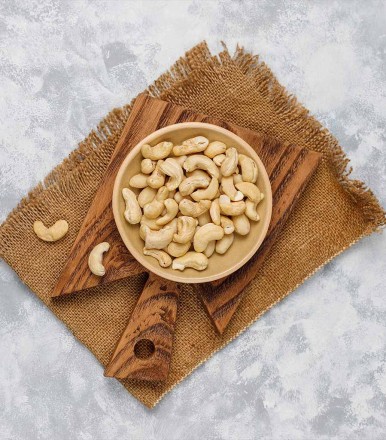
Protein powders and shakes are popular, but they are not a necessity for everyone. Whole foods such as eggs, lentils, beans, nuts, fish, and lean meats provide excellent sources of protein. While supplements may benefit athletes or those with restricted diets who need extra protein, most people can meet their requirements through a well-balanced diet.
4. Plant-Based Diets Cannot Provide Enough Protein
Another common myth is that only animal products can meet protein needs. Plant-based diets, when well planned, can provide sufficient protein for health and fitness. Protein-rich foods such as lentils, chickpeas, tofu, quinoa, and soy provide essential amino acids. For vegetarians and vegans, mixing different plant-based sources is important to achieve complete nutrition.
5. Eating Too Much Protein Is Harmless
While protein is vital, excessive intake can place unnecessary strain on the kidneys and liver, particularly for individuals with pre-existing health conditions. Very high-protein diets may also lack balance, pushing out essential nutrients like fibre, healthy fats, and micronutrients. Moderation matters. The goal is to consume enough protein to support your activity and lifestyle without overloading the body.
The Balanced Approach to Protein
Understanding protein needs is about balance. For most adults, recommendations suggest around 0.8 to 1 gram of protein per kilogram of body weight daily, though athletes and highly active individuals may require more. Rather than obsessing over exact numbers, focus on building meals that include a variety of protein-rich foods alongside vegetables, whole grains, and healthy fats.
Conclusion
Protein is essential for good health, yet misconceptions often cause confusion. Understanding that individual needs differ, supplements aren't always required, and balance is crucial, allows for a more practical approach to nutrition. Hello Fitness Magazine encourages readers to build a diet that fits their lifestyle while supporting both strength and wellbeing. A thoughtful approach to protein ensures lasting health benefits without falling for the myths.
Check out Hello Fitness Magazine. There is never a wrong time to go on a fitness quest. Contact us and allow us to assist you in leading a better lifestyle. Follow us on Instagram. We share the best Health & Fitness related Articles for information based on healthy eating, health and fitness recommendations, health problems and their solutions, human body fitness, and much more.