



A healthy lifestyle begins with what you eat. A balanced diet provides the body with the right proportions of nutrients, ensuring everything from energy levels to immunity is well supported. While quick fixes and fad diets come and go, balance in nutrition remains the true foundation of long-term health.
What Is a Balanced Diet?
A balanced diet means eating the right amounts of carbohydrates, proteins, fats, vitamins, minerals, fibre, and water. It is not about restricting food but about including variety and moderation to give the body exactly what it needs to function properly.
Key Components of a Balanced Diet
1. Carbohydrates: The Body's Main Energy Source
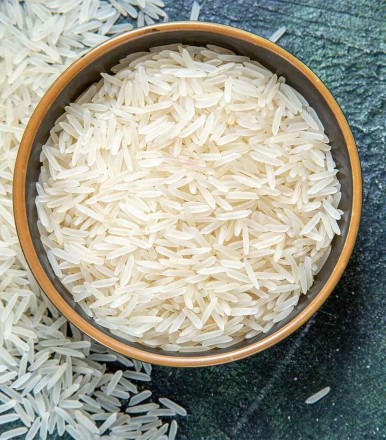
Carbohydrates fuel your daily activities. Whole grains, fruits, and vegetables are healthier choices compared to refined options like white bread or sugary snacks.
2. Proteins: Building Blocks for Muscles and Repair
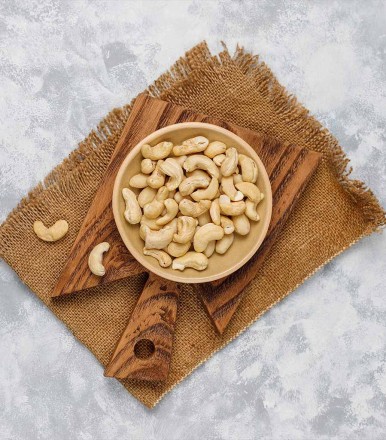
Proteins are essential for growth, repairing tissues, and maintaining muscle health. Sources include legumes, nuts, dairy, eggs, and lean meats.
3. Fats: Healthy vs Unhealthy Fats
Fats are important for hormone regulation and brain health. Focus on unsaturated fats from nuts, seeds, avocados, and olive oil, while limiting saturated and trans fats from processed foods.
4. Vitamins & Minerals: Essential for Immunity and Growth
Micronutrients such as Vitamin C, Vitamin D, iron, and calcium support everything from stronger immunity to healthy bones. A colourful plate of fruits and vegetables ensures a wide range of vitamins and minerals.
5. Fibre & Water: Digestion and Hydration
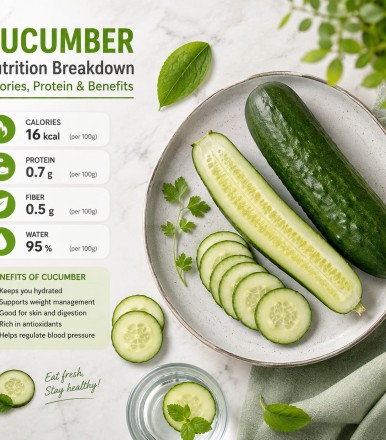
Fibre keeps digestion smooth, while water maintains hydration, regulates body temperature, and supports overall cell function. Together, they play a key role in gut health and metabolism.
Why Balanced Diet Is Good for Health?
1. Boosts Energy Levels
Balanced meals provide sustained energy, preventing fatigue and maintaining focus throughout the day.
2. Strengthens Immunity
Nutrients like Vitamin C, zinc, and antioxidants strengthen the immune system, lowering the risk of infections.
3. Supports Mental Well-Being
Nutrients such as omega-3 fatty acids and B vitamins help regulate mood, reduce stress, and support brain health.
4. Aids in Healthy Weight Management
Balanced diets prevent overeating, ensuring you consume what your body needs without excess calories or deficiencies.
5. Reduces Risk of Chronic Diseases
Eating a wide range of nutritious foods lowers the risk of lifestyle diseases like heart disease, diabetes, obesity, and osteoporosis.
Balanced Diet for Different Age Groups
1. Children & Teens
Growing bodies need more protein, calcium, and iron to support bone and muscle development. Balanced meals also help improve concentration and energy levels.
2. Adults
For adults, the focus should be on maintaining energy, supporting metabolic health, and preventing lifestyle-related conditions through moderation and variety.
3. Seniors
Elderly individuals need nutrient-rich meals with added focus on calcium, Vitamin D, and lean proteins to maintain bone health, muscle retention, and immunity.
Tips to Maintain a Balanced Diet in Daily Life
1. Simple Meal Planning Ideas
Plan meals that include a balance of whole grains, lean proteins, fruits, and vegetables. Incorporate small, frequent meals instead of skipping or overeating.
2. Healthy Eating Habits
Eat at regular intervals, practise mindful eating, and avoid processed junk food wherever possible.
3. Smart Grocery Shopping Tips
Choose fresh produce, whole grains, and lean protein sources. Reading labels helps avoid hidden sugars and unhealthy fats.
Common Myths About a Balanced Diet
- "Carbs make you fat." In reality, complex carbs like oats and brown rice are essential for sustained energy.
- "Fats should be completely avoided." Healthy fats are vital for brain and heart health.
- "Supplements can replace real food." Whole foods provide fibre and phytonutrients that supplements alone cannot.
Conclusion
A balanced diet is more than just a health choice; it is the foundation of a stronger body, sharper mind, and better quality of life. By including the right mix of nutrients and making mindful food decisions, you can reduce disease risk while staying energised and healthy every day. At Hello Fitness Magazine, we encourage readers to embrace small yet meaningful lifestyle changes to enjoy the long-term benefits of balanced eating.
Frequently Asked Questions (FAQs)
1. What are the benefits of a balanced diet in daily life?
It helps maintain energy, supports immunity, aids mental health, and reduces the risk of chronic conditions.
2. How can I start eating a balanced diet on a busy schedule?
Plan simple meals in advance, carry healthy snacks, and avoid skipping meals.
3. Is it possible to follow a balanced diet on a budget?
Yes, focus on seasonal produce, whole grains, and affordable protein sources like lentils and eggs.
4. How does a balanced diet affect mental health?
It supports brain function, regulates mood, and lowers stress with nutrients like omega-3 and B-vitamins.
5. Can supplements replace a balanced diet?
No, supplements may support deficiencies but cannot fully replace the benefits of whole foods.
Check out Hello Fitness Magazine. There is never a wrong time to go on a fitness quest. Contact us and allow us to assist you in leading a better lifestyle. Follow us on Instagram. We share the best Health & Fitness related Articles for information based on healthy eating, health and fitness recommendations, health problems and their solutions, human body fitness, and much more.